Investing in Rural Futures: RYI and AmeriCorps
Uplifting rural youth takes more than a single spark. Programming, mentorship, and inspiration are all made possible by community collaboration and group action — a partnership like the one formed by the Rural Youth Institute and AmeriCorps is proof that working together can help bring impact to a new level.
Since forming the partnership in 2024, RYI and AmeriCorps have worked together through an RYI-designed training track known as the Aspirations Incubator Fellows, for the Goodwill Northern New England’s AmeriCorps program. The partnership’s inaugural cohort hosted 8 fellows for a 9-month training that explored what it means to participate in youth development.
Within this cohort was Mel Torres, a former AmeriCorps volunteer who now serves as the program coordinator for NorthStar 4-H Tanglewood.
“I was offered in the summer of 2024 to get involved with the fellowship program. [RYI] offered it to myself and other AmeriCorps volunteers at the time, and I was super excited. It sounded like a cool opportunity to get a deeper dive into what the Rural Youth Institute and the Aspirations Incubator were,” Mel said. “The timing of the fellowship was perfect because we were just delving into this adventure of creating the Tanglewood NorthStar program, shaping it, and figuring out how we wanted it to look.”
Gaining Momentum with Capstone Research
Beyond participating in the training modules, Mel was an active impact-maker in the cohort. Her capstone project integrated data from the Holistic Student Assessment (HSA) into her work at Troy Howard Middle School with the Tanglewood NorthStar program.
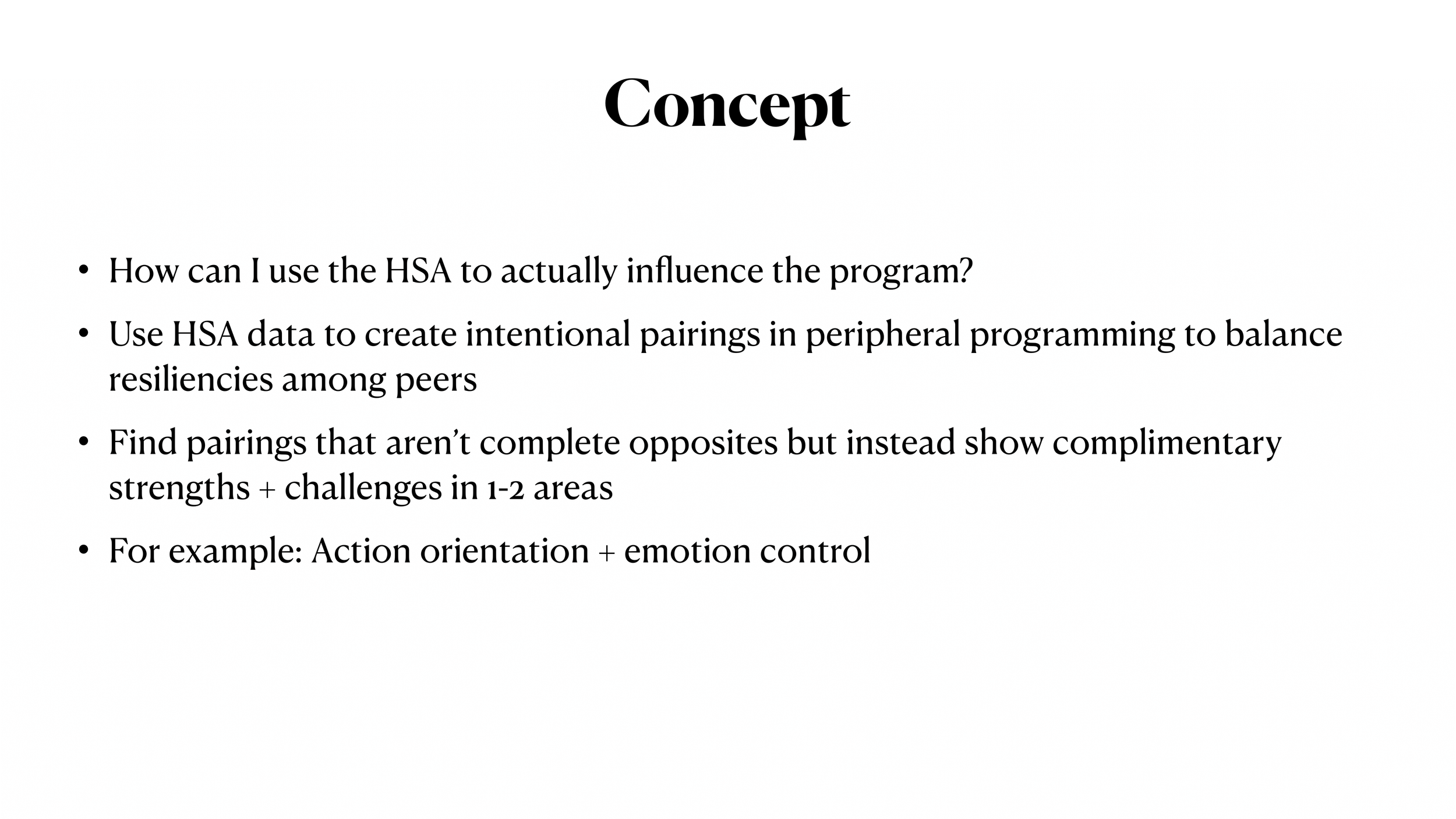
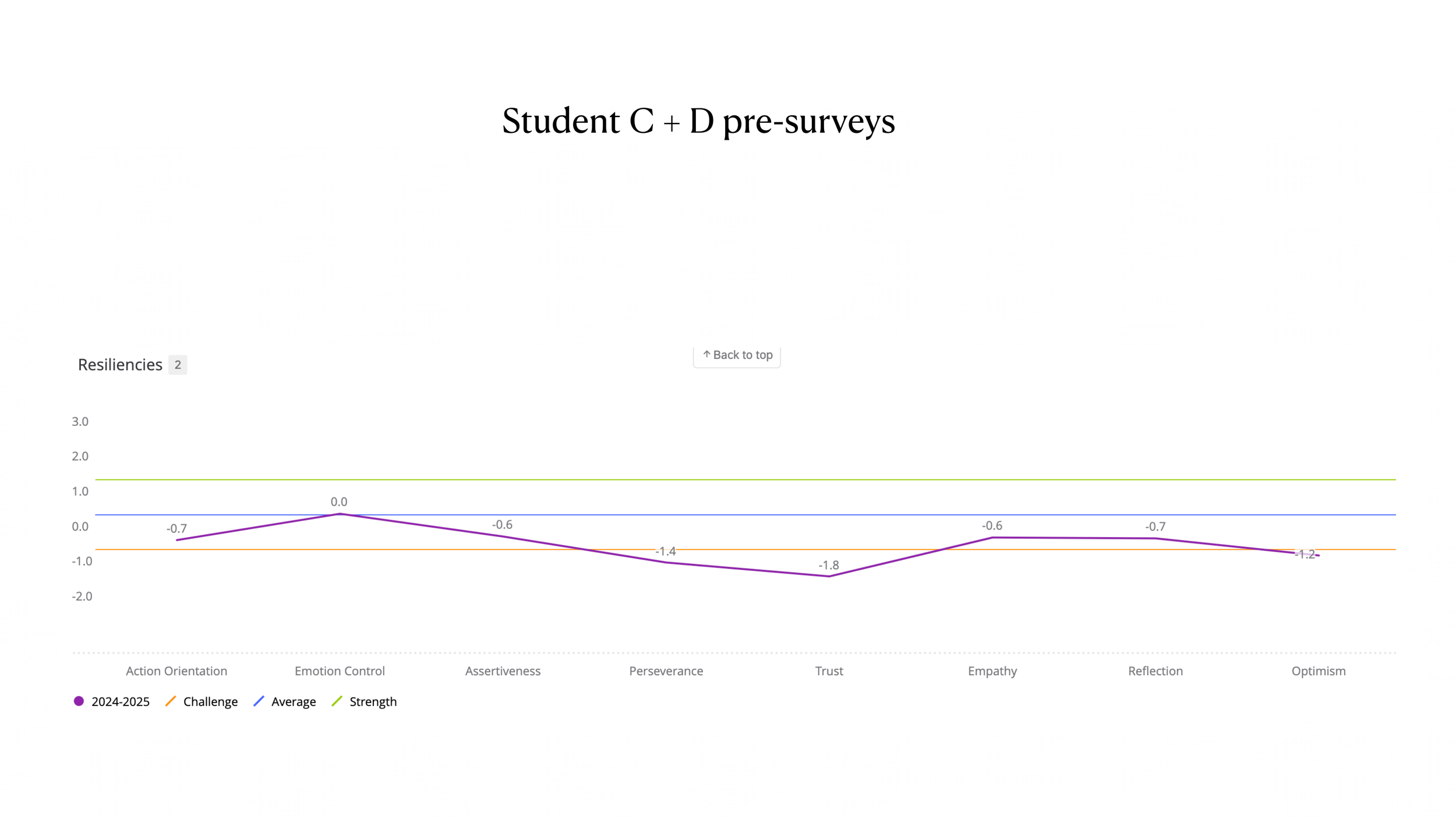
“I had two goals in my capstone project. The first was figuring out how I could use the HSA data in a more meaningful programmatic way,” Mel said. “The concept that I ended up running with was using the HSA data to make intentional pairings of students during informal relationship building time.”
The HSA is a data-driven tool to promote social-emotional development in young people in school and afterschool settings. Within the assessment, there are 14 scales that are grouped into three domains: resiliencies, learning and school engagement, and relationships.
Based on student scores, Mel found students that showed different strengths and challenges and encouraged relationship building between the pairs. The results were profound and meaningful.
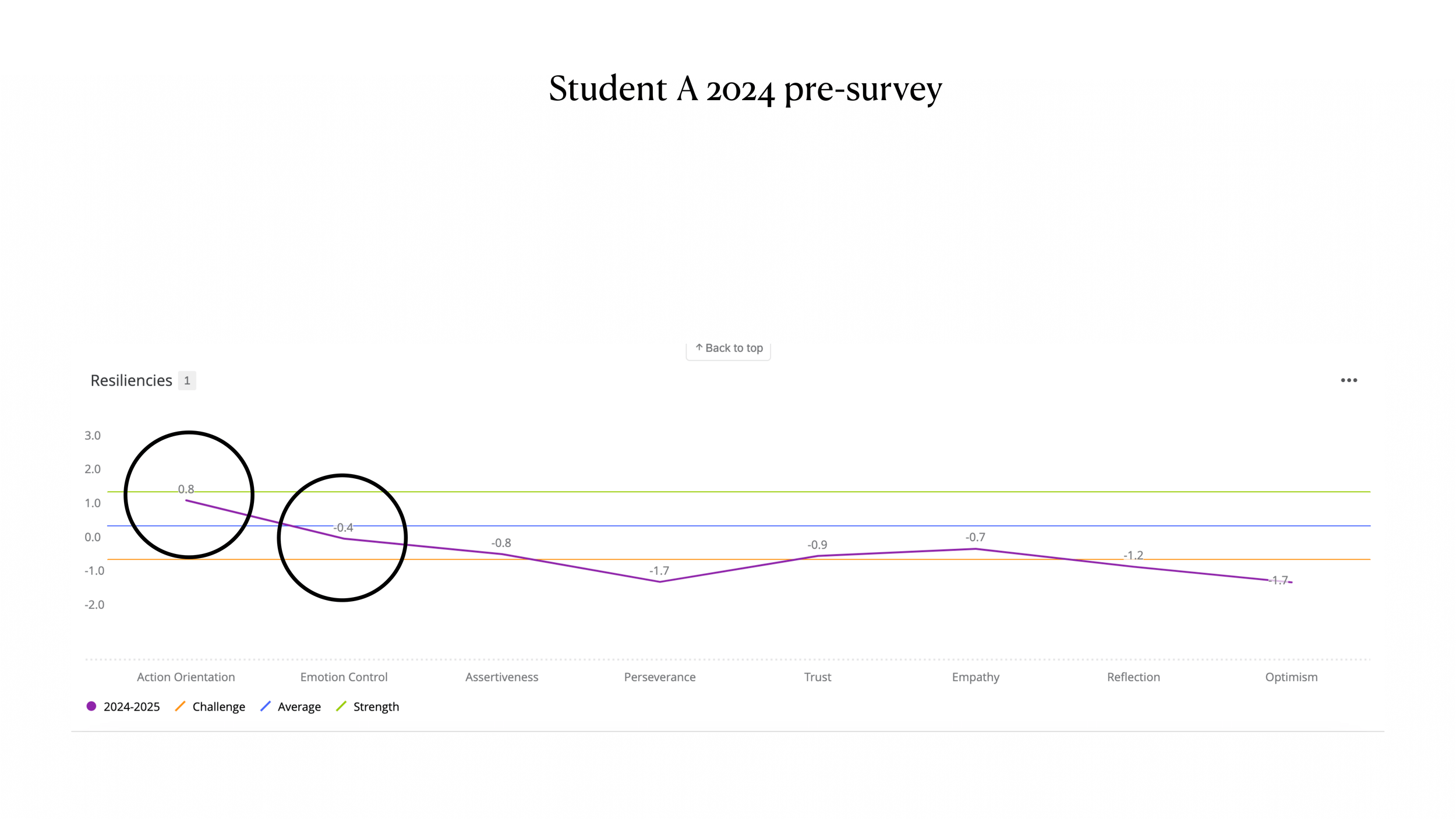
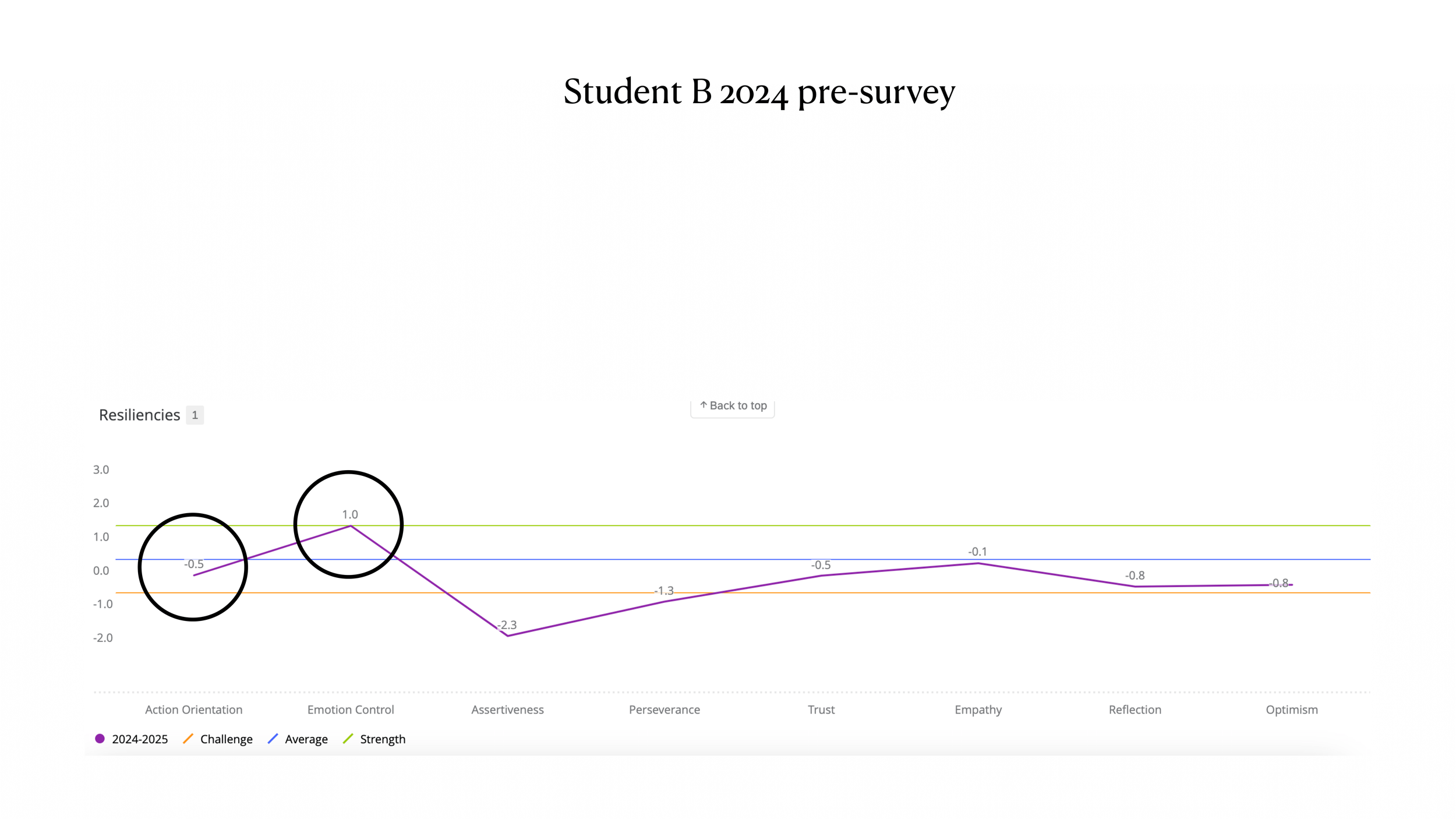
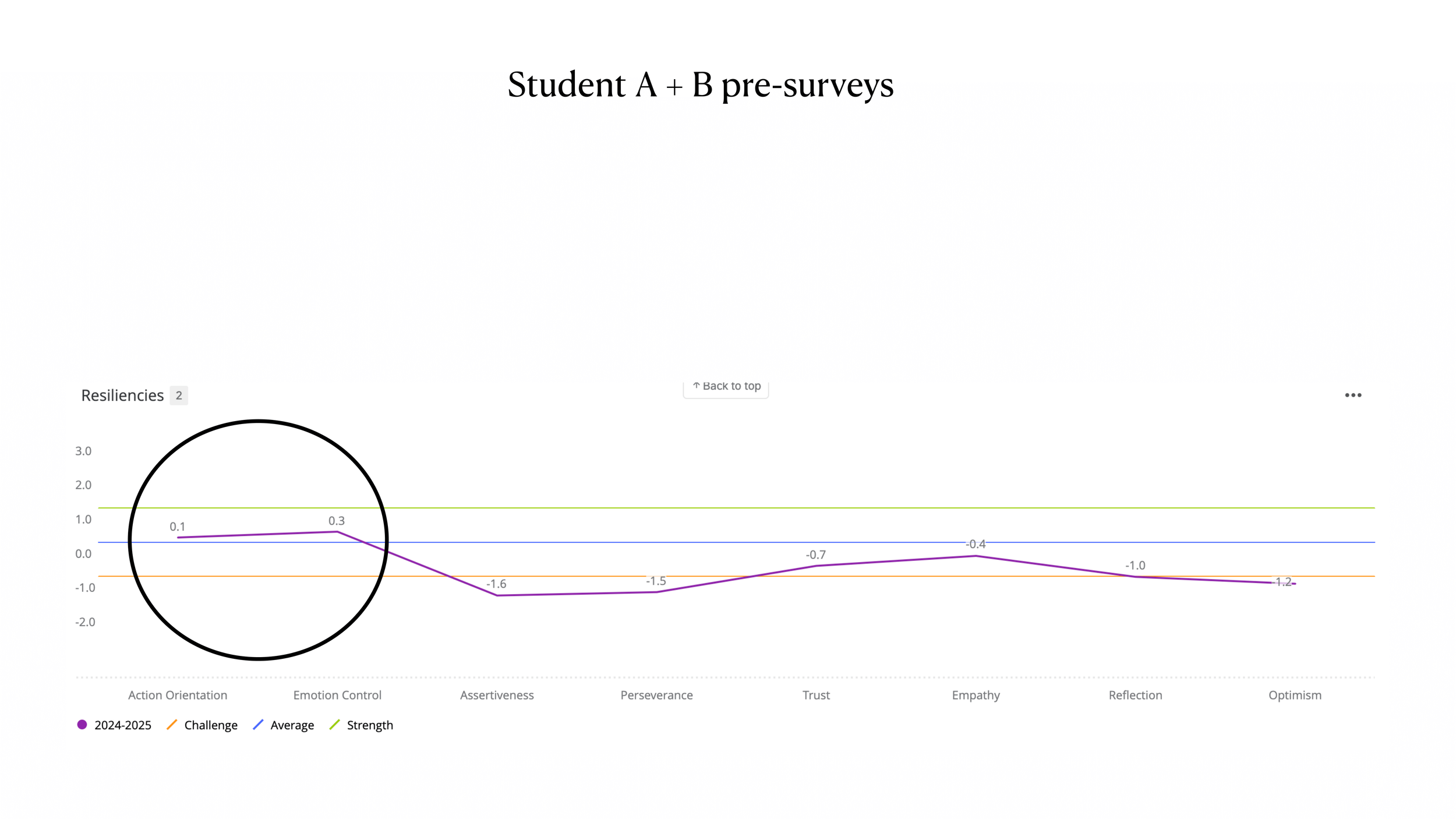
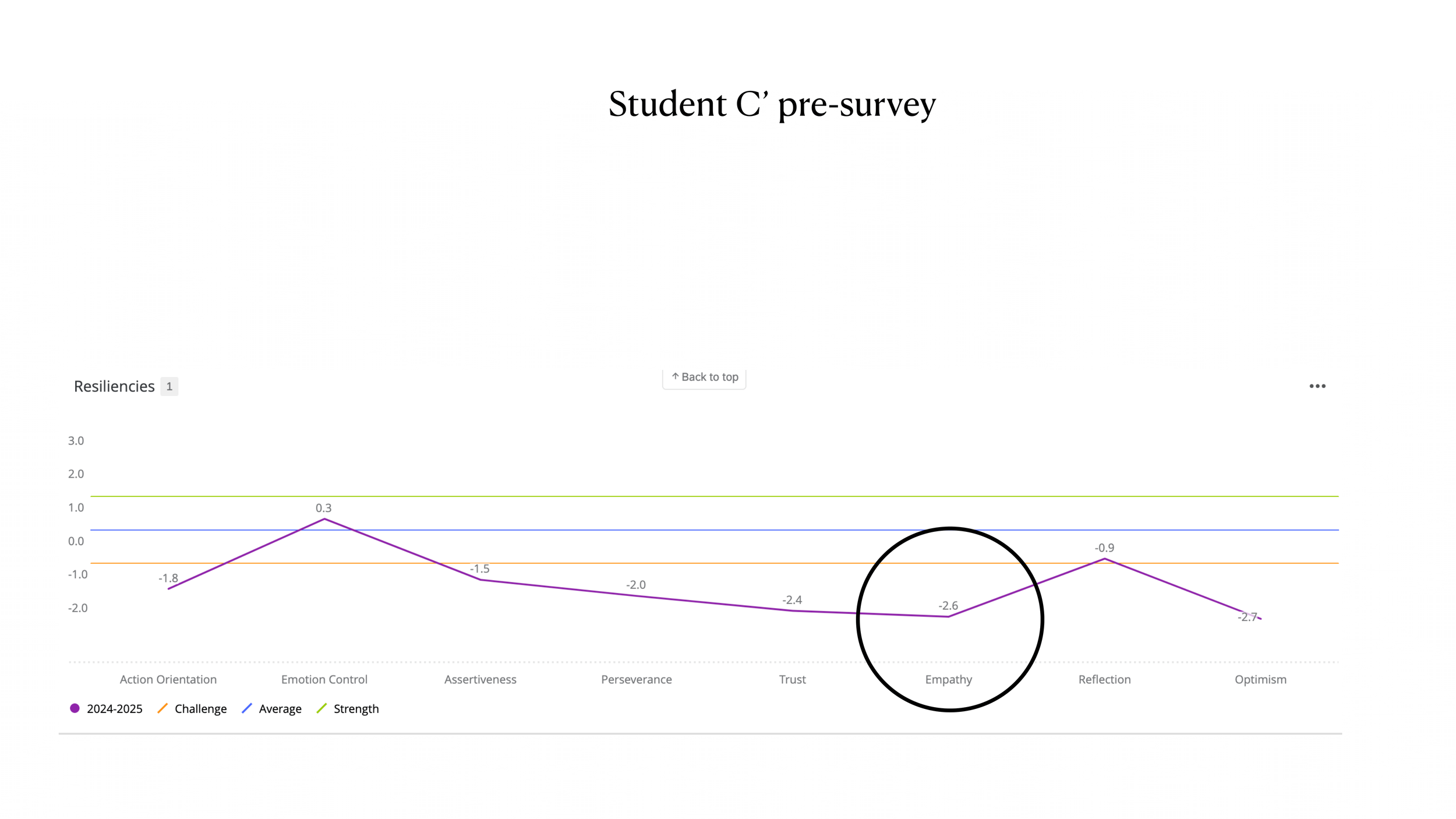
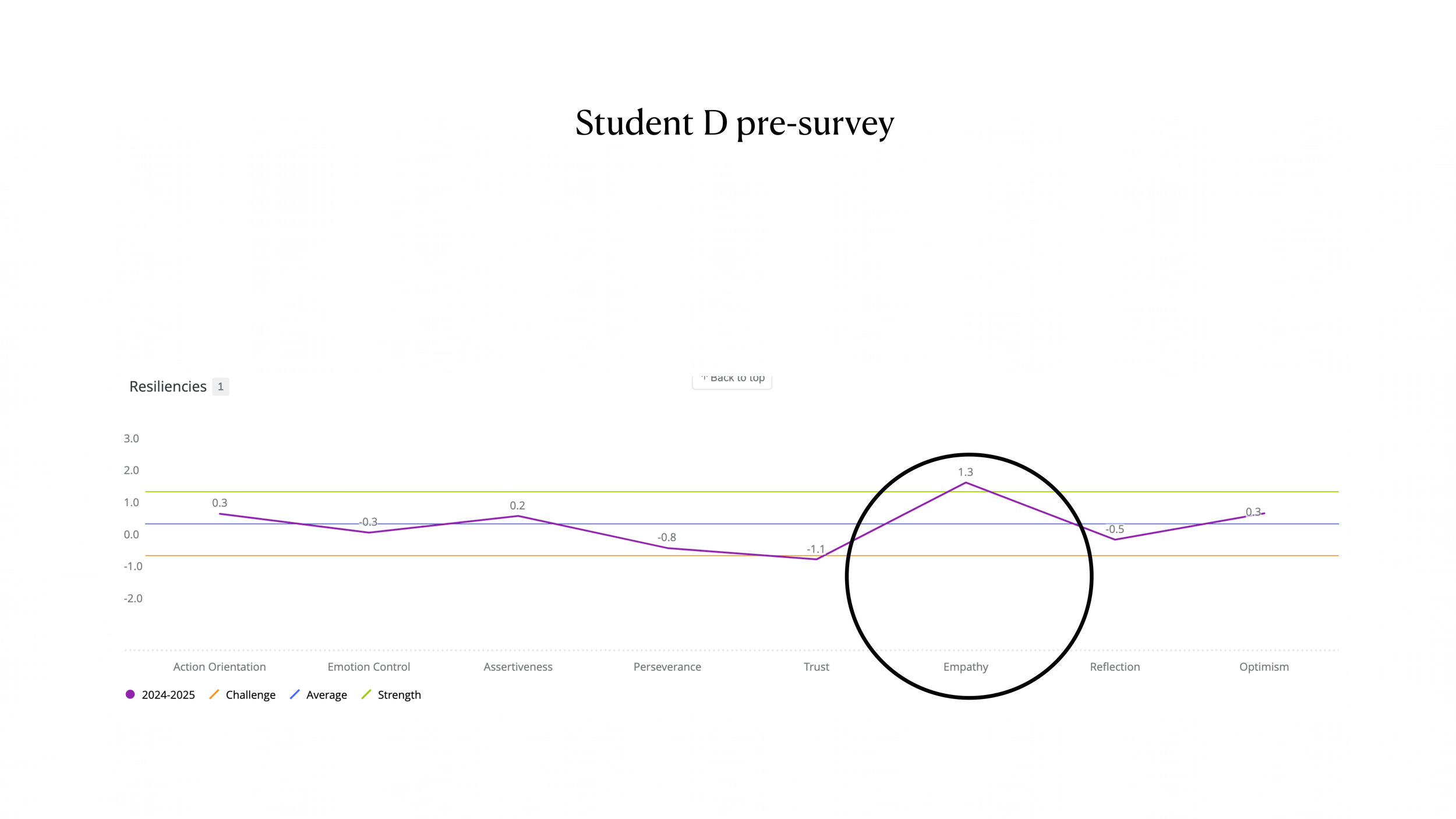
“I had student A, who had really high action orientation and low emotion control, and I found student B, who had low action orientation but high emotion control. So, when you put student A and student B’s graphs together, they level out and they're on par with their peers,” Mel said.
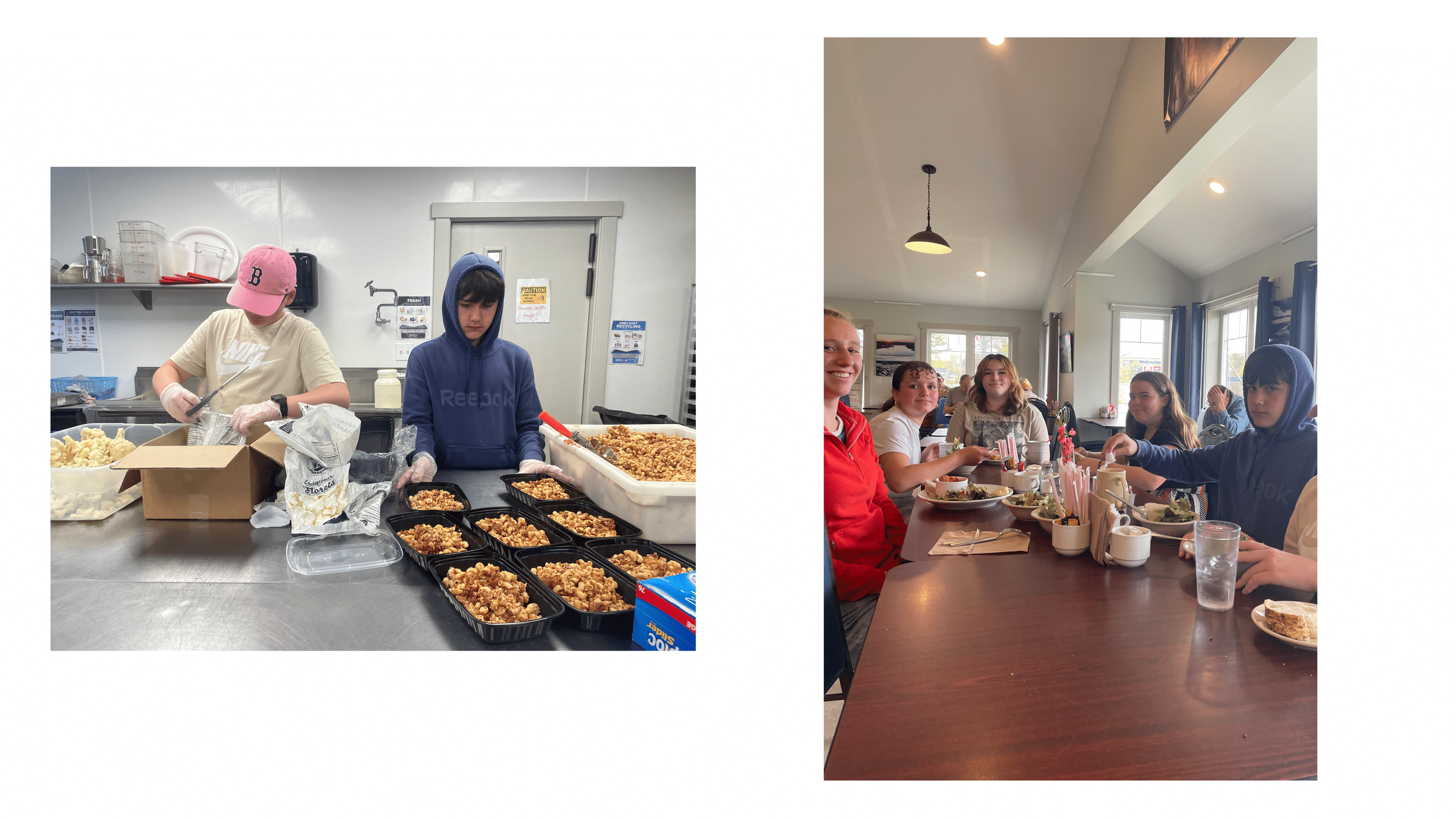
“I was able to see this concept turn into reality when I paired these students together on a volunteer trip to the local soup kitchen. Student A wanted hot chocolate, and energetically spoke to one of the volunteers to ask for it in his own eager, extroverted, and polite way. Student B, who has a lower action orientation, asked Student A how he was able to get what he wanted, and their connection sparked a learning opportunity for Student B to tap into his new confidence in asking for things. It was really interesting to watch it in motion, because I had no idea if it was going to work.”
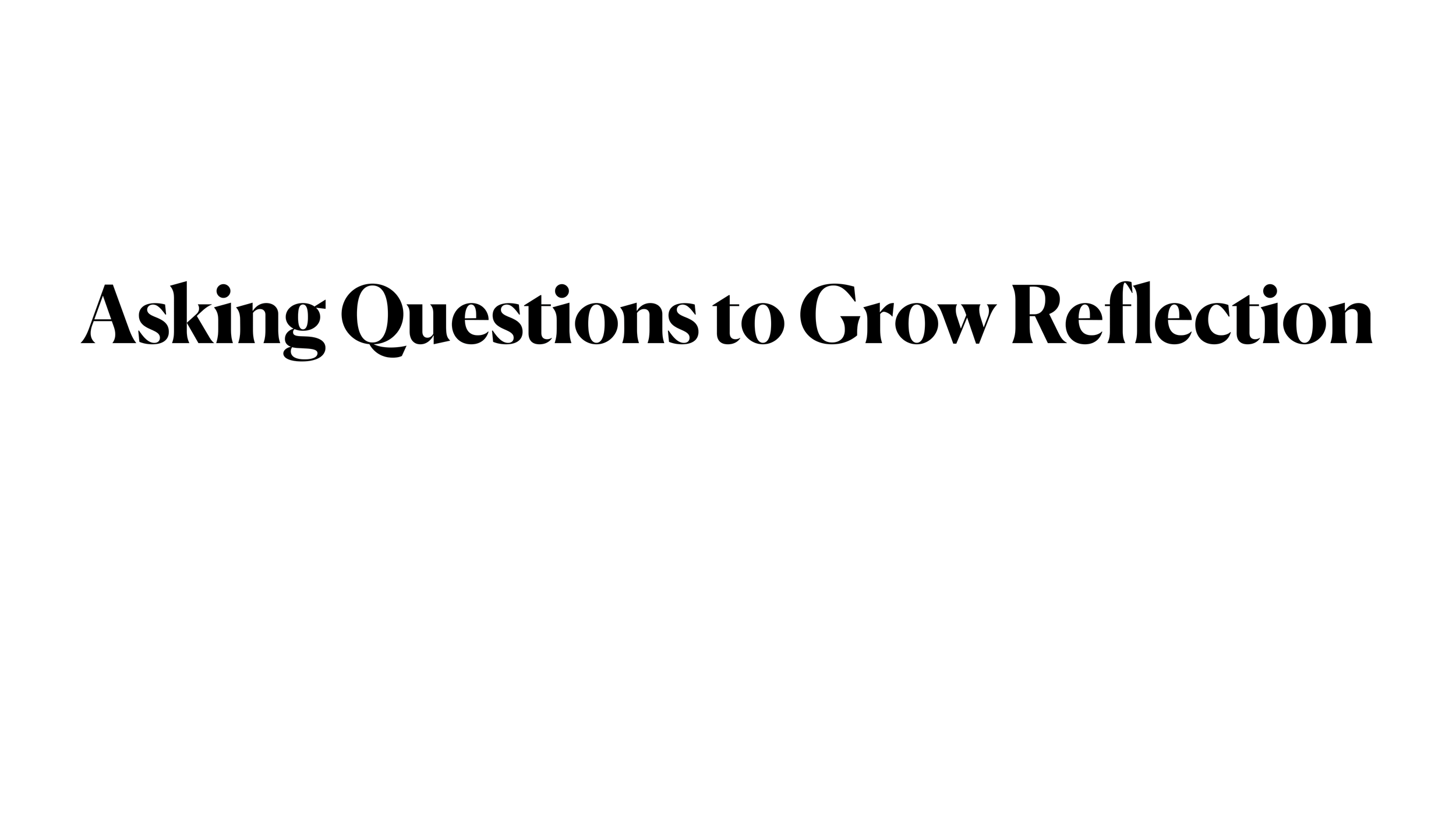
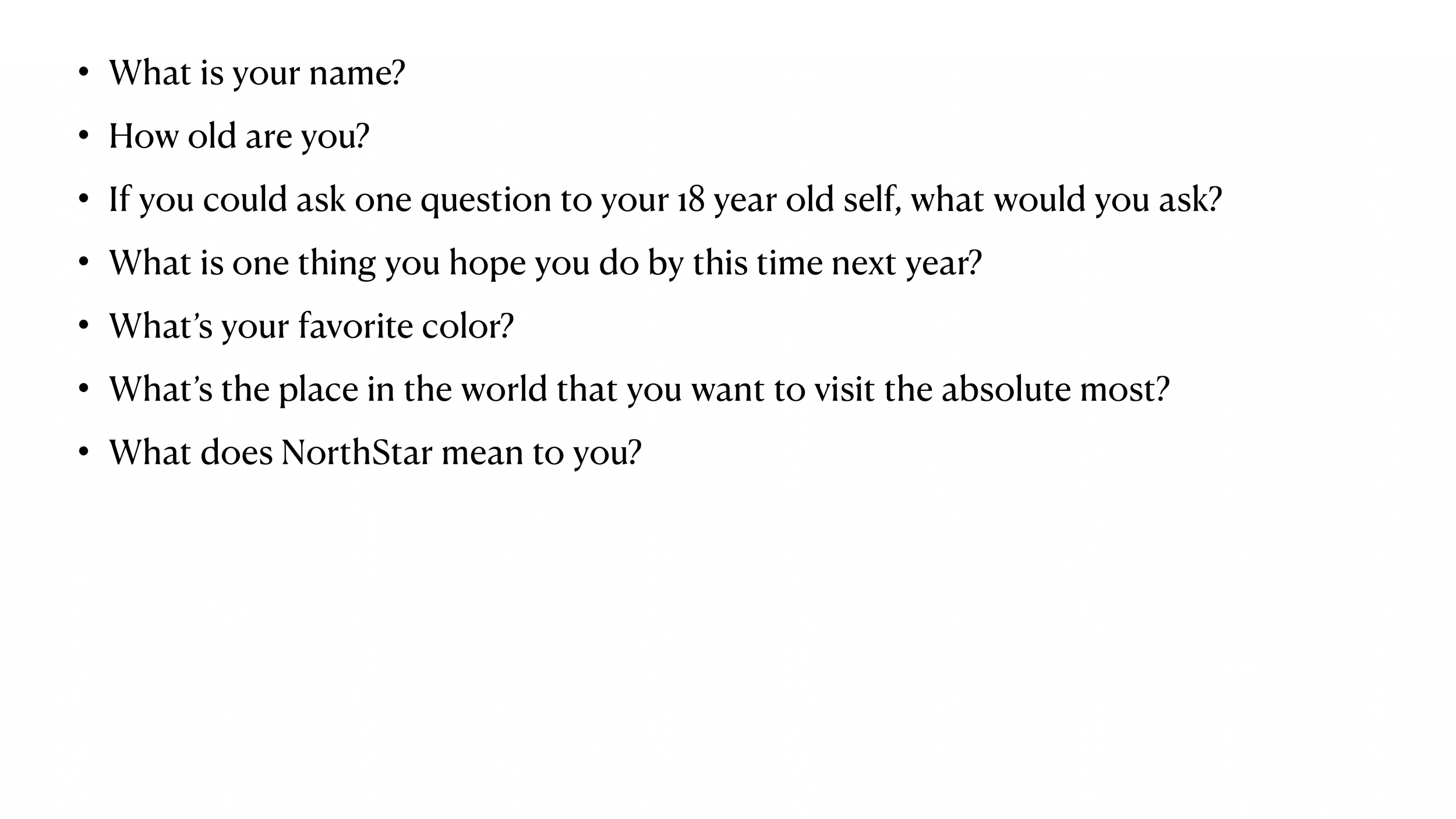
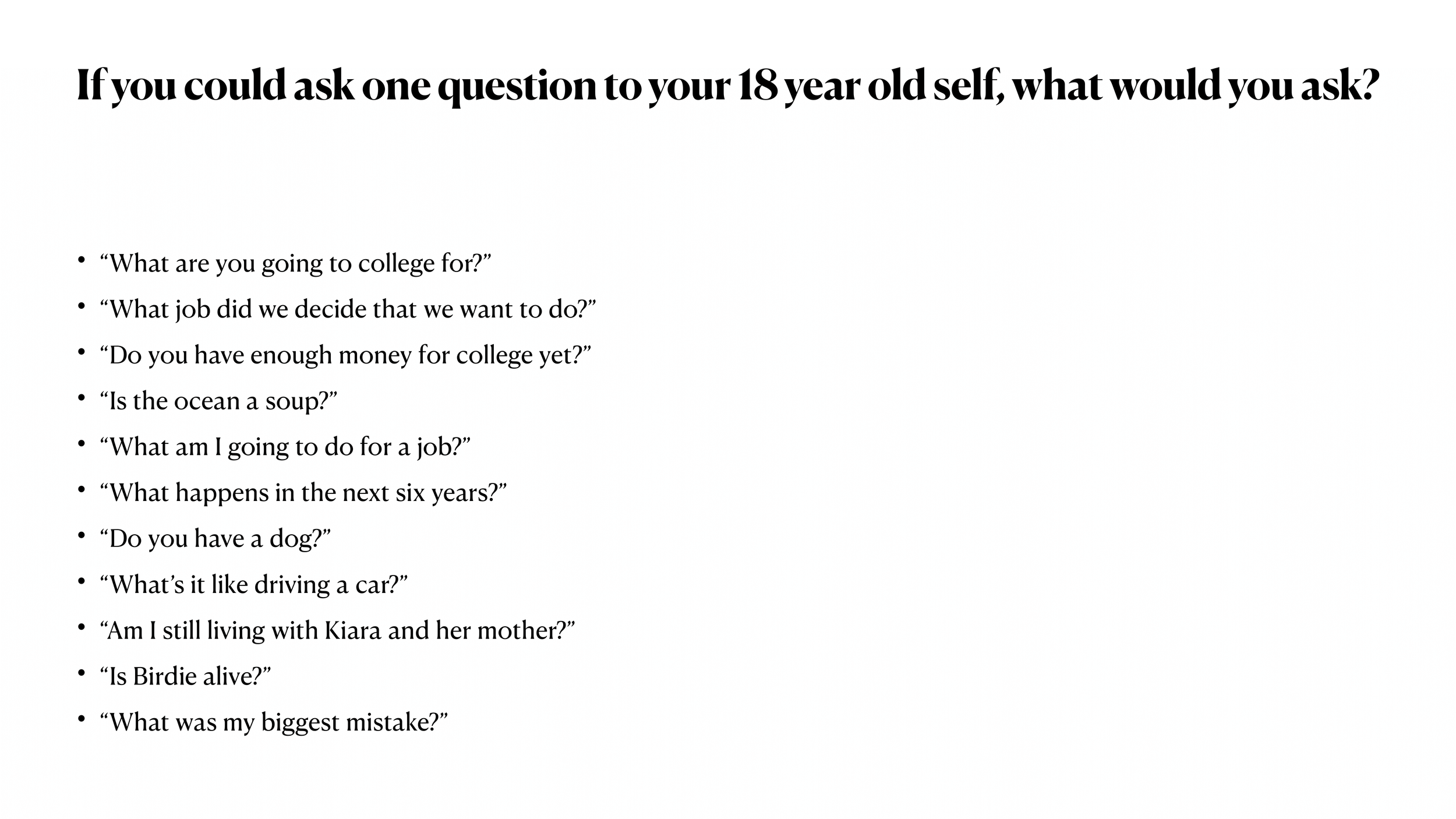
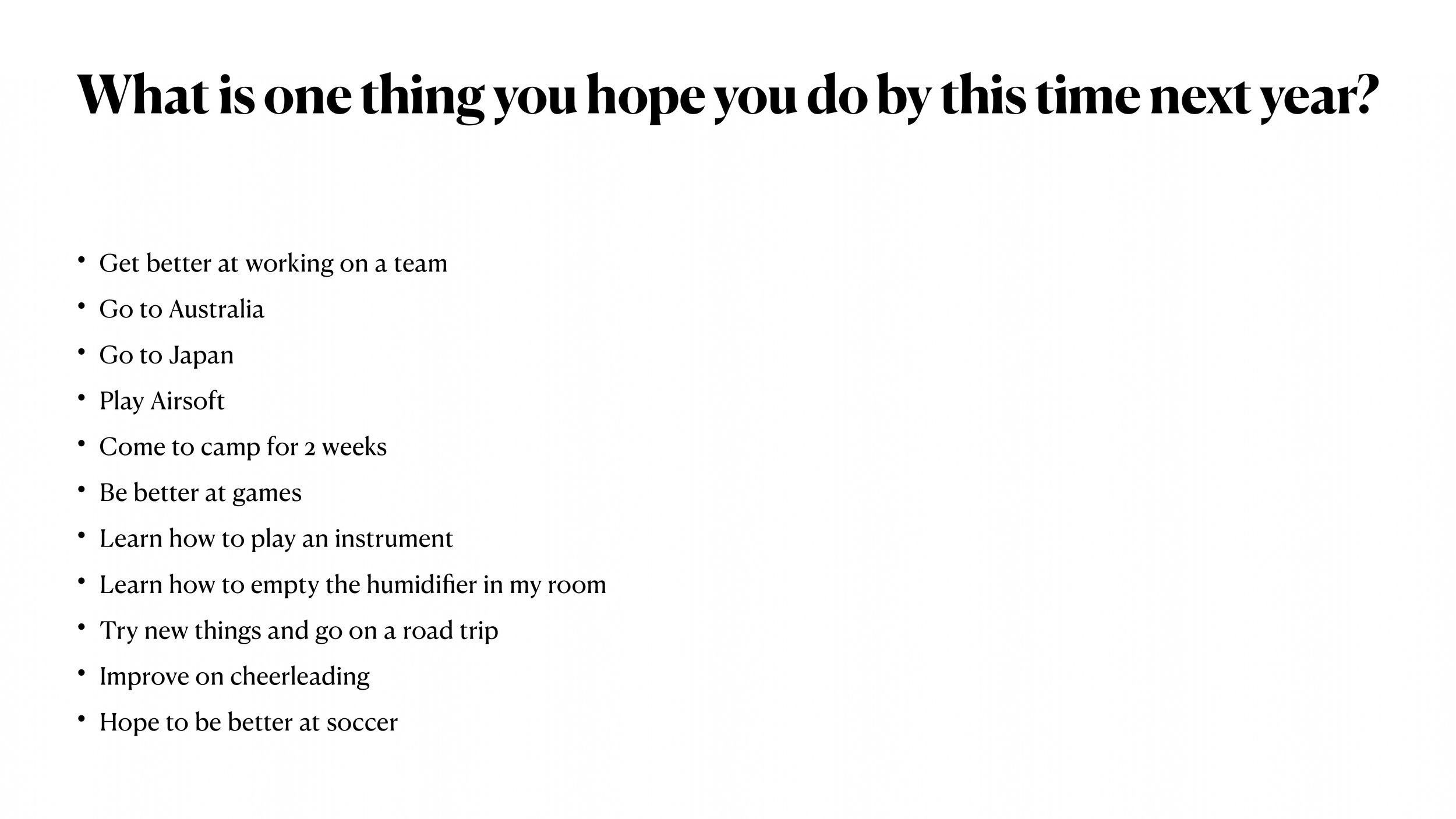
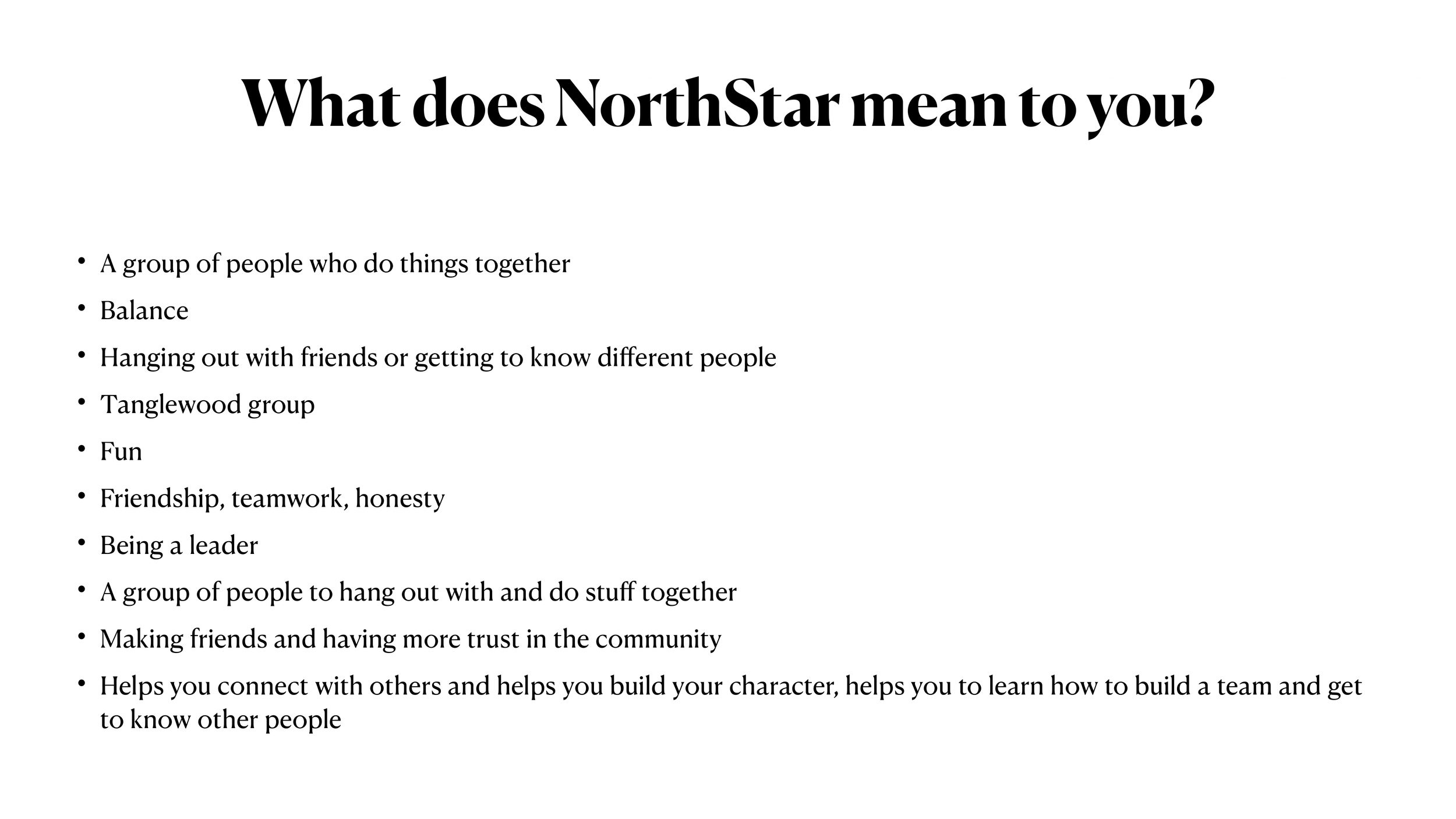
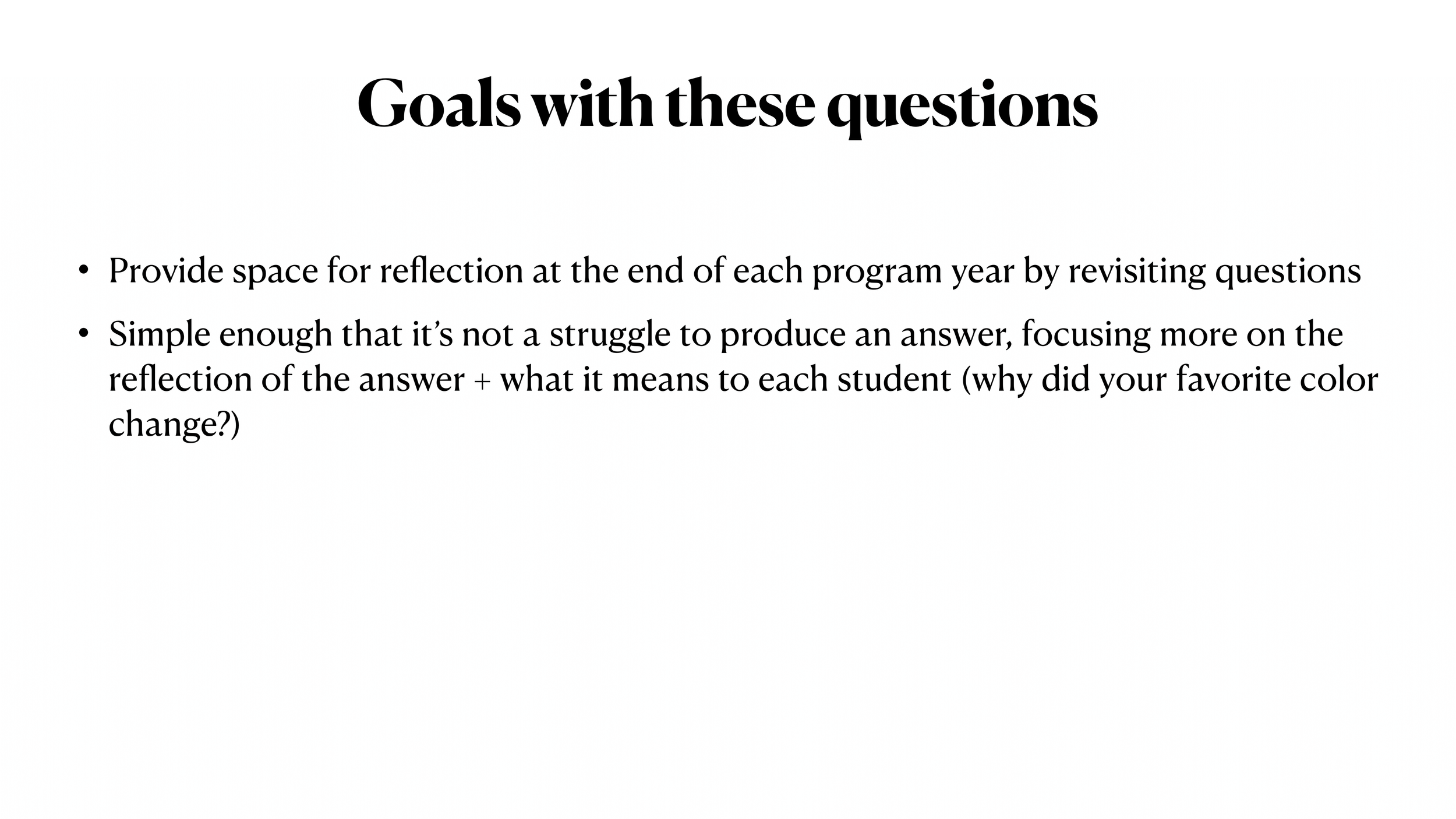
The second goal in Mel’s capstone was to promote student reflection in rural youth programming, asking questions that could inspire students to define their aspirations and monitor their achievements as they continued to grow. This goal, in conjunction with using HSA data in a meaningful way, has shaped Mel’s leadership with NorthStar 4-H Tanglewood.
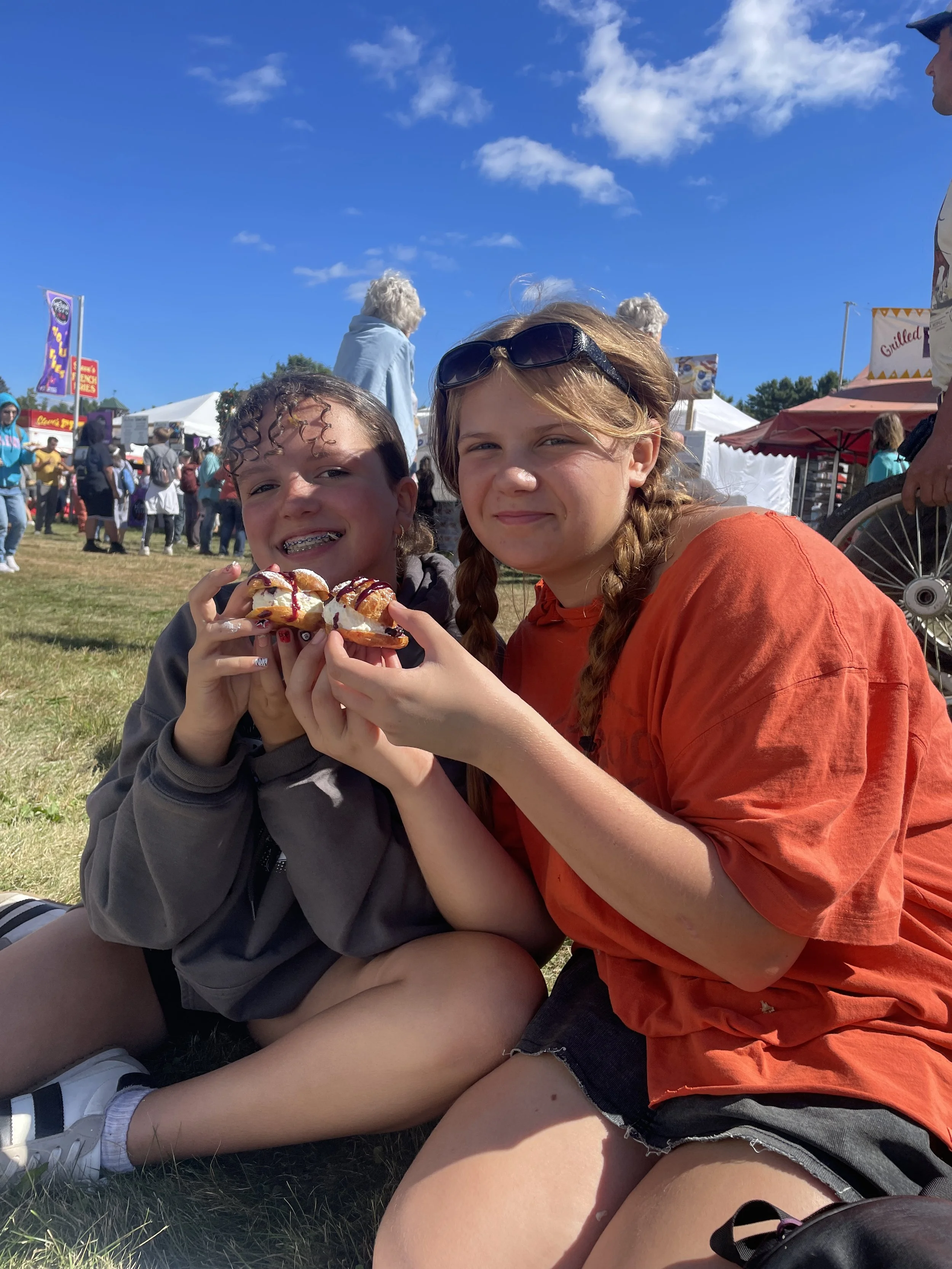
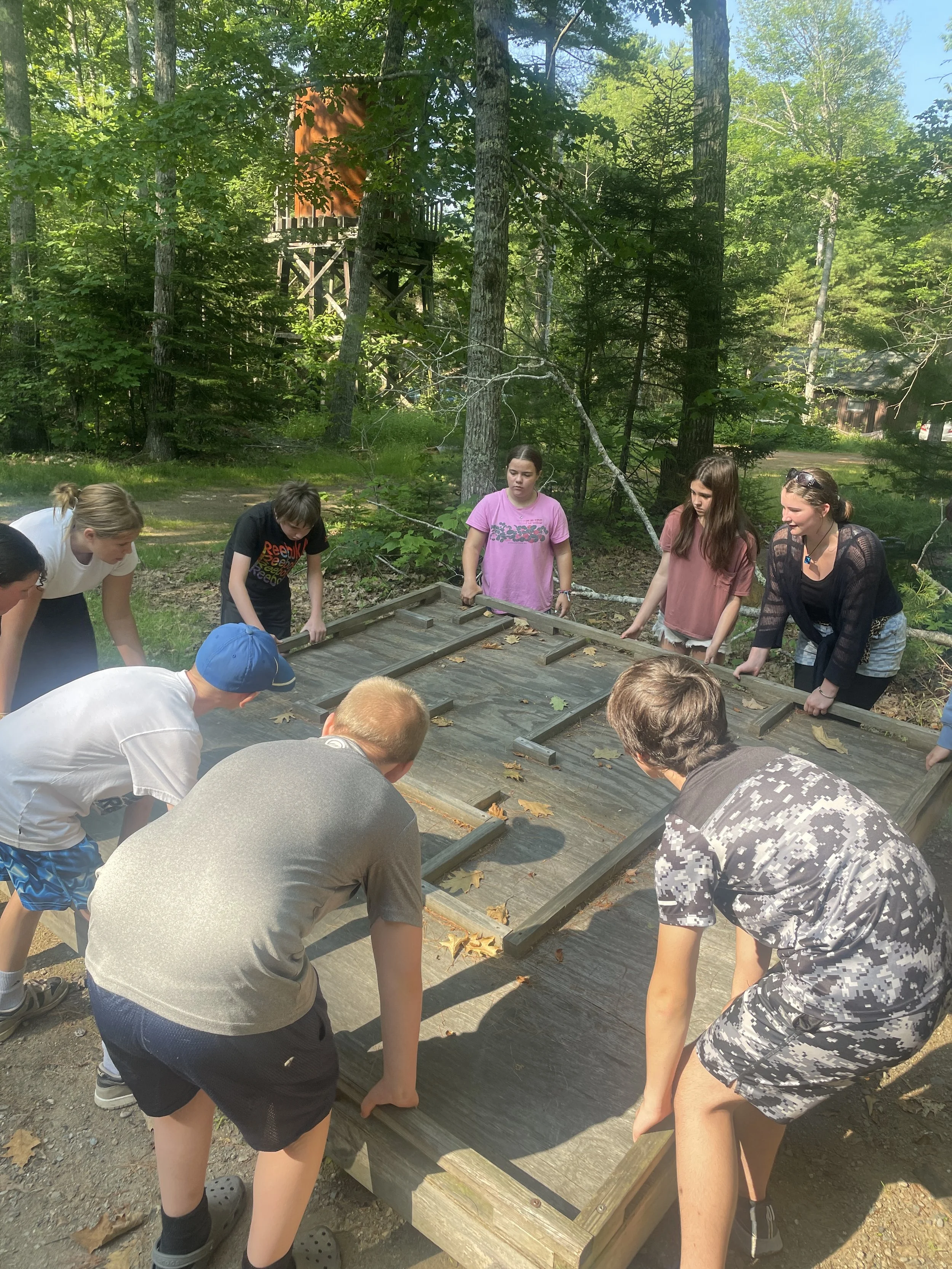
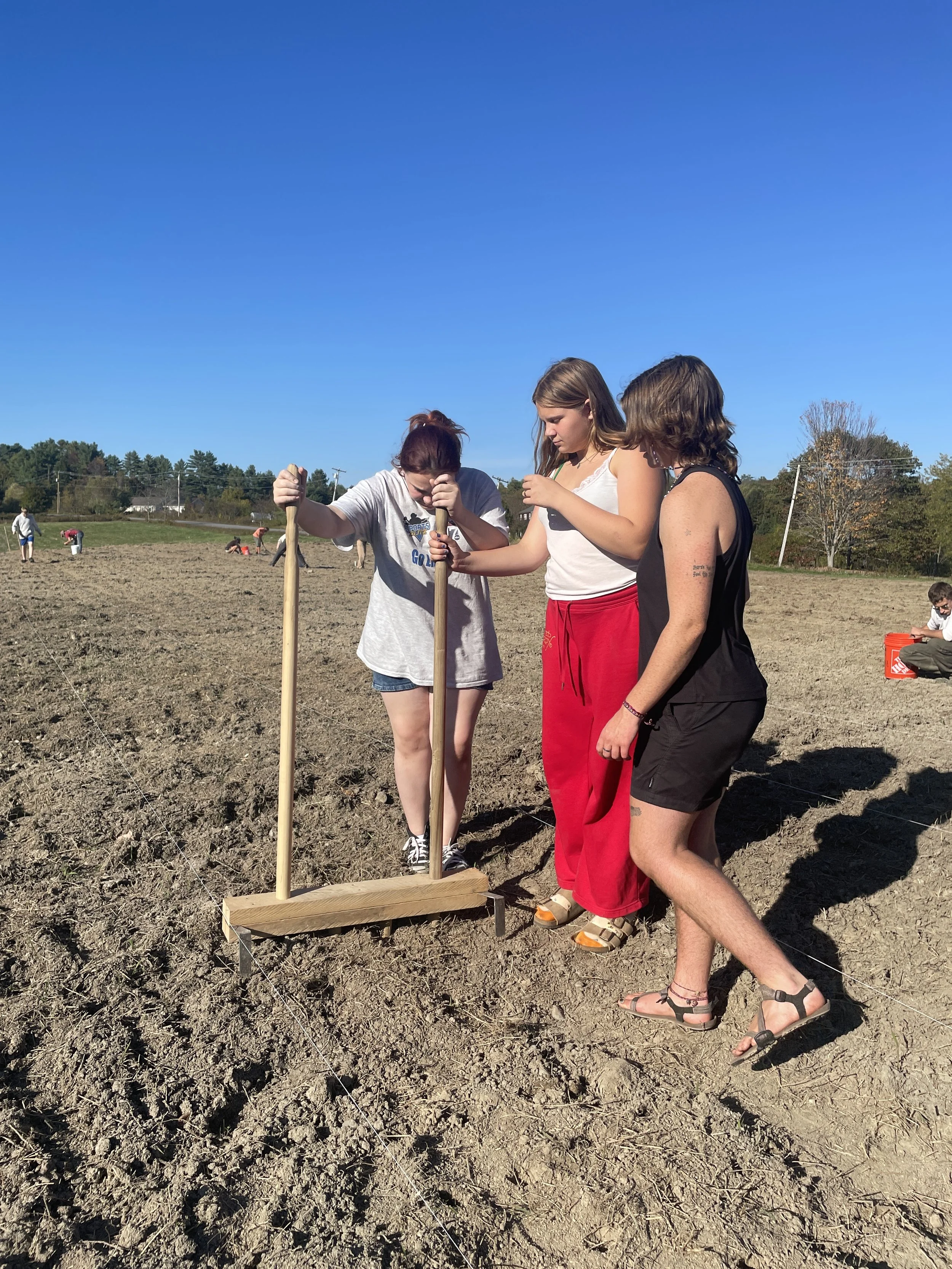
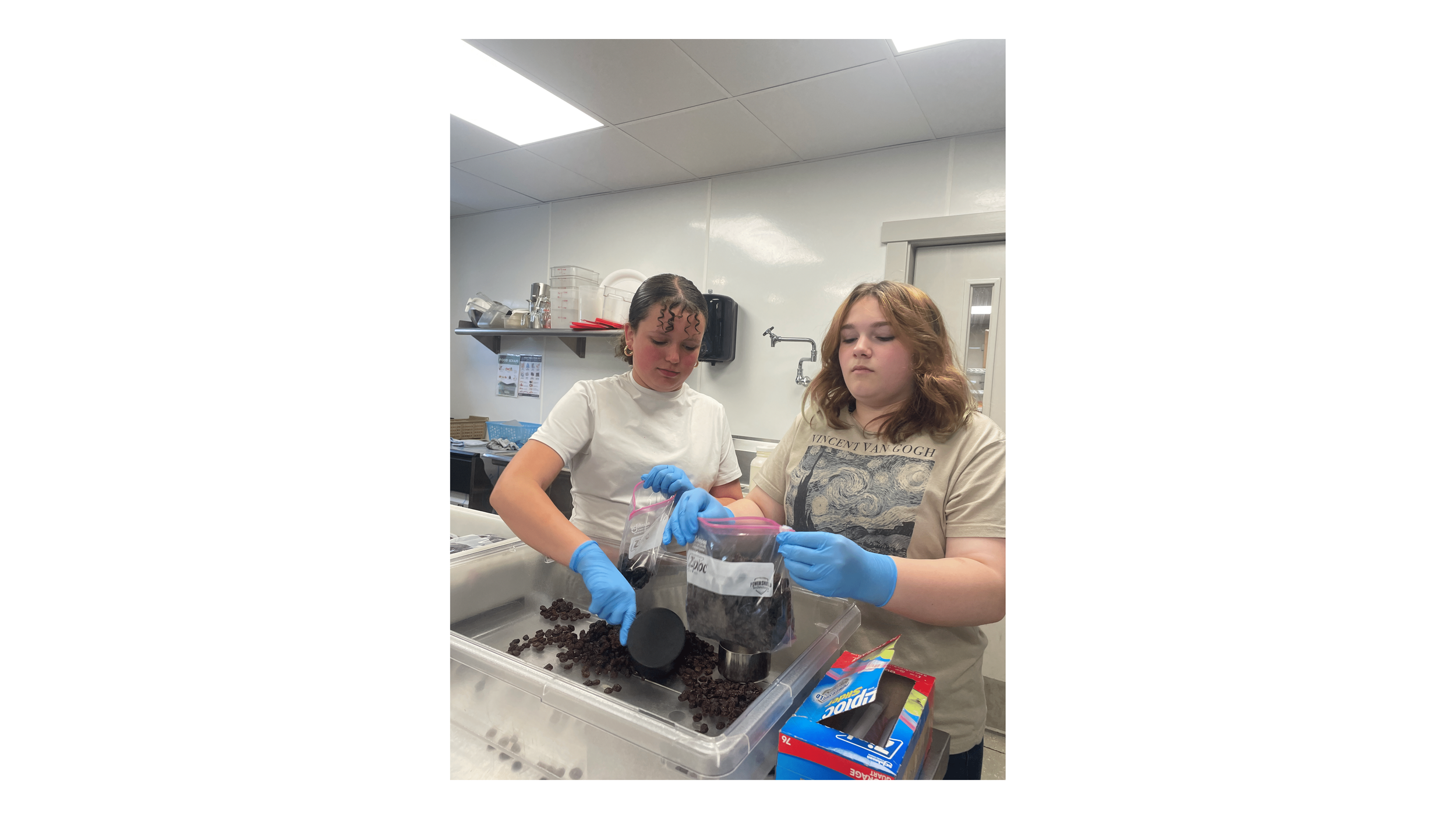
NorthStar 4-H Tanglewood’s 7th grade cohort
Continuing to Make an Impact
In 2025, RYI became a lead training partner with Goodwill Northern New England's AmeriCorps program, facilitating the first cohort of Aspirations Incubator Fellows. RYI continues to support training and rural initiatives across the field of youth-development, ensuring that ideas translate into actionable results for youth and the adults who support them.
“RYI awarded Northstar Tanglewood a $20,000 seed grant in the 2024-2025 school year to help us deliver meaningful programming, and that was huge. That was a large part of the reason we were able to get the program off the ground in conjunction with our USDA grant,” Mel said.
“We were able to provide unique and meaningful experiences for our seventh grade students with that funding. It's a chance for those students to get away from homes that aren't always a safe space. It's a chance for them to socialize in a way that's different from school, in which a lot of them don't have the spaces for that. And it allows them to be in a community of humans that support and love them and want them to be there.”
Funding efforts like RYI’s seed and planning grants help support the implementation of the Aspirations Incubator for programs like NorthStar. By expanding the model’s reach, programming and volunteer efforts grow stronger.
“Funding to support volunteer engagement can be critical to capacity building in small organizations. AmeriCorps volunteers are the reason that NorthStar in Bethel was able to function for so long. It's people who are coming together under a common cause. They want to gain experience working with kids in different capacities, and they’re in these positions because they want to be,” Mel said. “The importance of being well-staffed and having volunteers to expose these students to different people that love and care about them… there's no words for it. That's how we do the work that we do.”
Resources and opportunities like this don’t just impact rural youth — it strengthens every part of the community. For new leaders in this space, the connections provided by organizations like RYI and the Aspirations Incubator can help elevate programming and take ideas to new heights.
“Having the fellowship, having the Rural Youth Institute, and having that space with the other fellows who were doing this work at established Aspirations Incubator sites was so helpful as I stepped into this program coordinator role,” Mel said. “I’m part of a super helpful community of individuals that I can bounce ideas off of and talk about situations with students, staff, and teachers to make the future even better.”
Mel’s capstone research and leadership within NorthStar 4-H Tanglewood are just a few examples of the palpable difference that this work makes. When we invest in research, community, and programming, the benefits are clear: rural youth are given new opportunities and gain a new sense of ambition that can change their lives.
Learn More About Mel’s Capstone Project