
Trekkers: Six Years & 360 Degrees of Support
When you surround young people with dedicated mentors and give them meaningful experiences to share, something lasting takes root. Trekkers has uplifted this idea in the Midcoast Maine community for over three decades, and the organization’s impact continues to grow.
Based out of Rockland, Trekkers supports youth from seventh grade through high school graduation and beyond. Each year through its flagship program, a new cohort of seventh graders joins a team of approximately 20 students, embarking on a six-year journey of shared adventure, consensus decision-making, and relationship-building where life-long lessons are learned and deep-rooted connections are made.
Trekkers has been a unique partner of theAspirations Incubator network since the beginning, and in many ways, its model helped shape it. The six-year mentoring structure, the emphasis on long-term team cohesion, and the use of expedition as a vehicle for growth are all elements that informed the Aspirations Incubator's core approach to rural youth development.
Rooted in History, Ready for What's Next
The idea behind Trekkers was born in 1994, when youth development professional Jack Carpenter noticed a need for stronger connections between adults and young people in the region. The six-year model that defines Trekkers today was envisioned by Don Carpenter, Jack's nephew.
Don went on to become Trekkers' first Executive Director, growing the volunteer effort into an independent nonprofit and expanding the program to serve six cohorts—one per grade, from seventh through seniors—by 2003.
As results of the long-term mentoring program’s success became evident, Trekkers established theTrekkers Training Institute to share its underlying principles with other youth-serving organizations. Those principles became the foundation for the Aspirations Incubator, which utilized the Trekkers model to expand this approach to rural communities across Maine.
"Trekkers remains rooted in the rich history and success of the long term mentoring and experiential learning model," said Stephanie Welch, Trekkers' Executive. "How we serve students evolves as their needs change."
That same spirit of responsive, relationship-first practice is what continues to make Trekkers a natural partner of the Aspirations Incubator network and an enduring example of what rural youth development can look like when it's built to last.
A Year Built Around the Journey
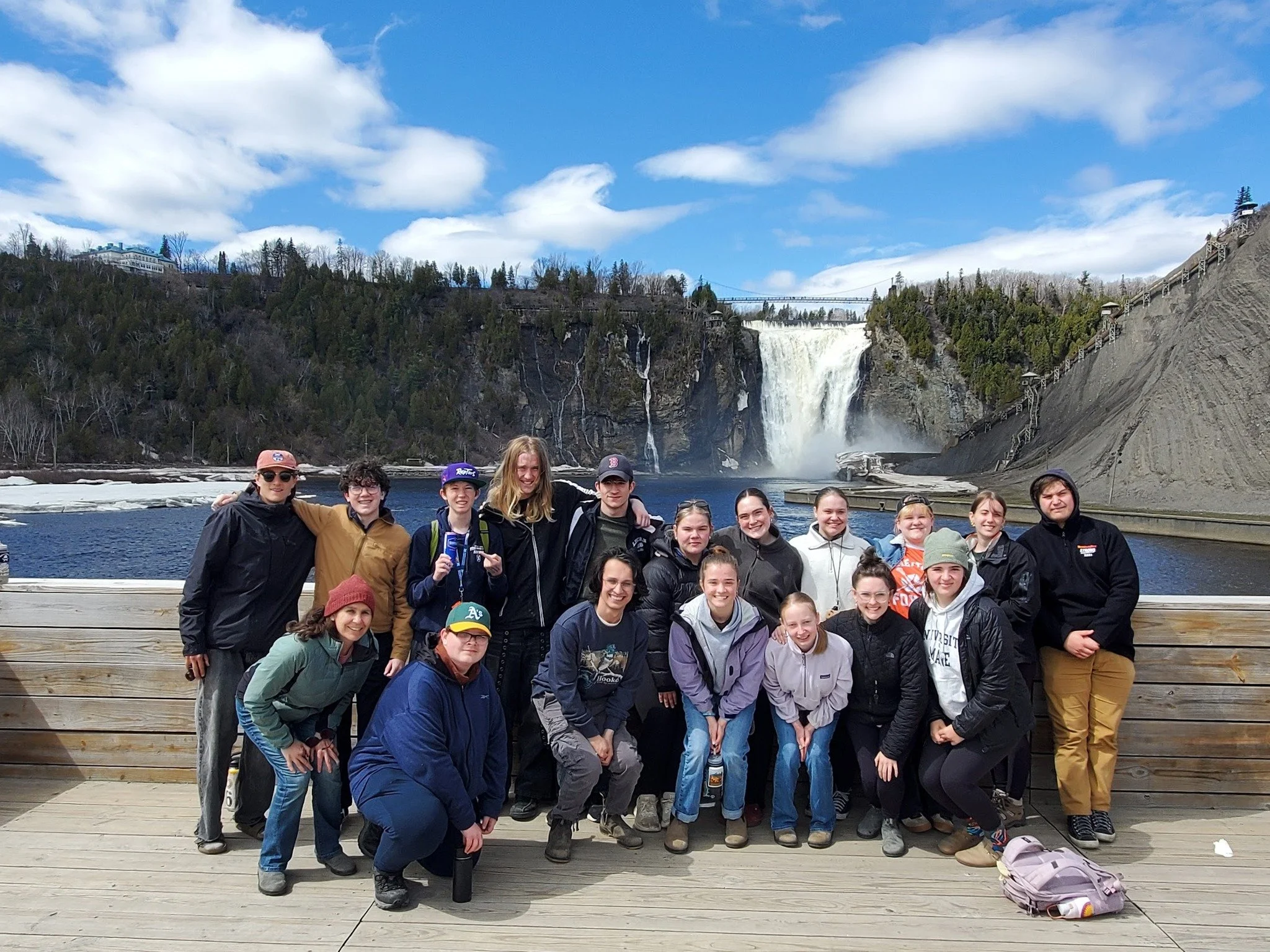
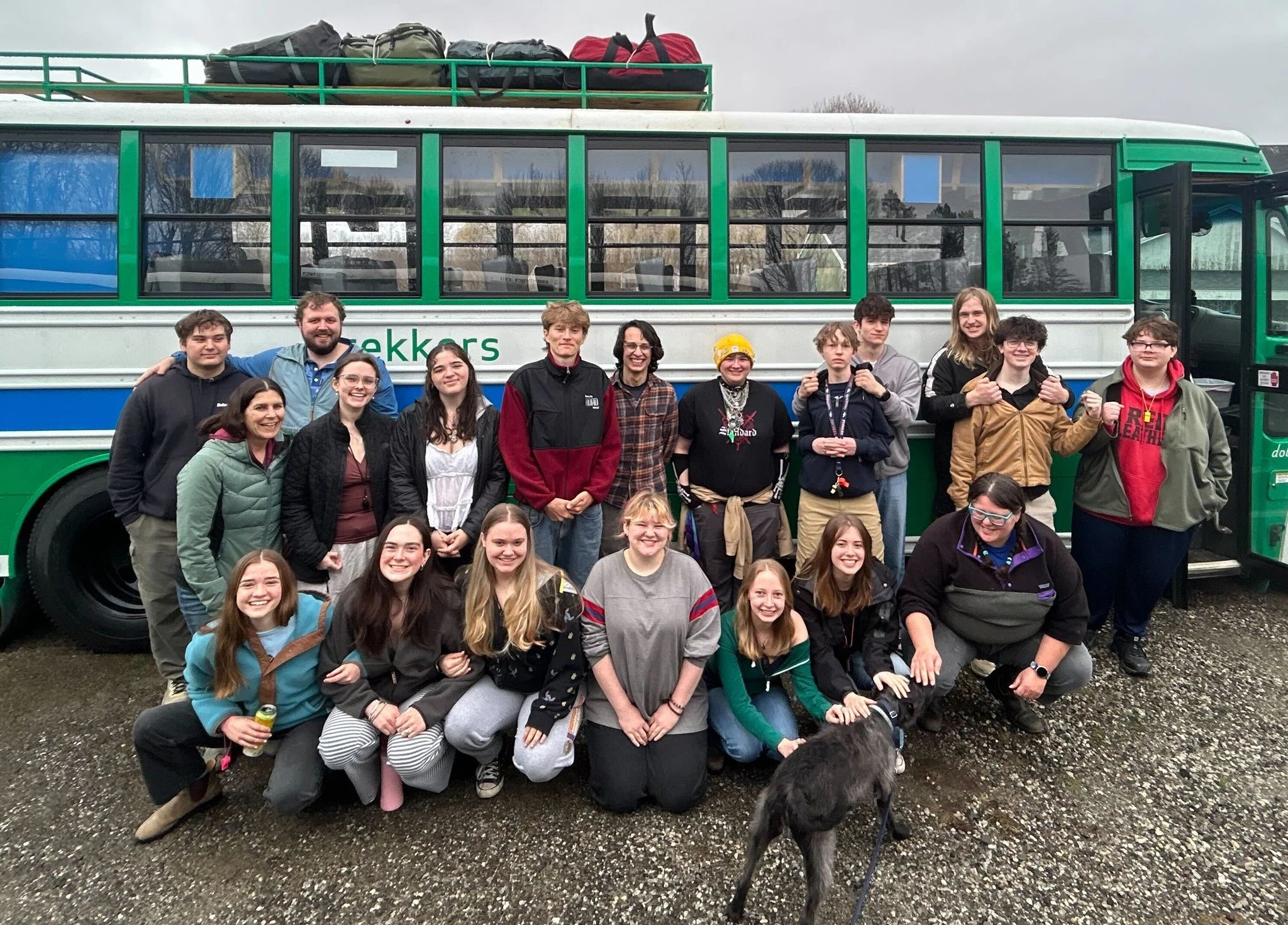
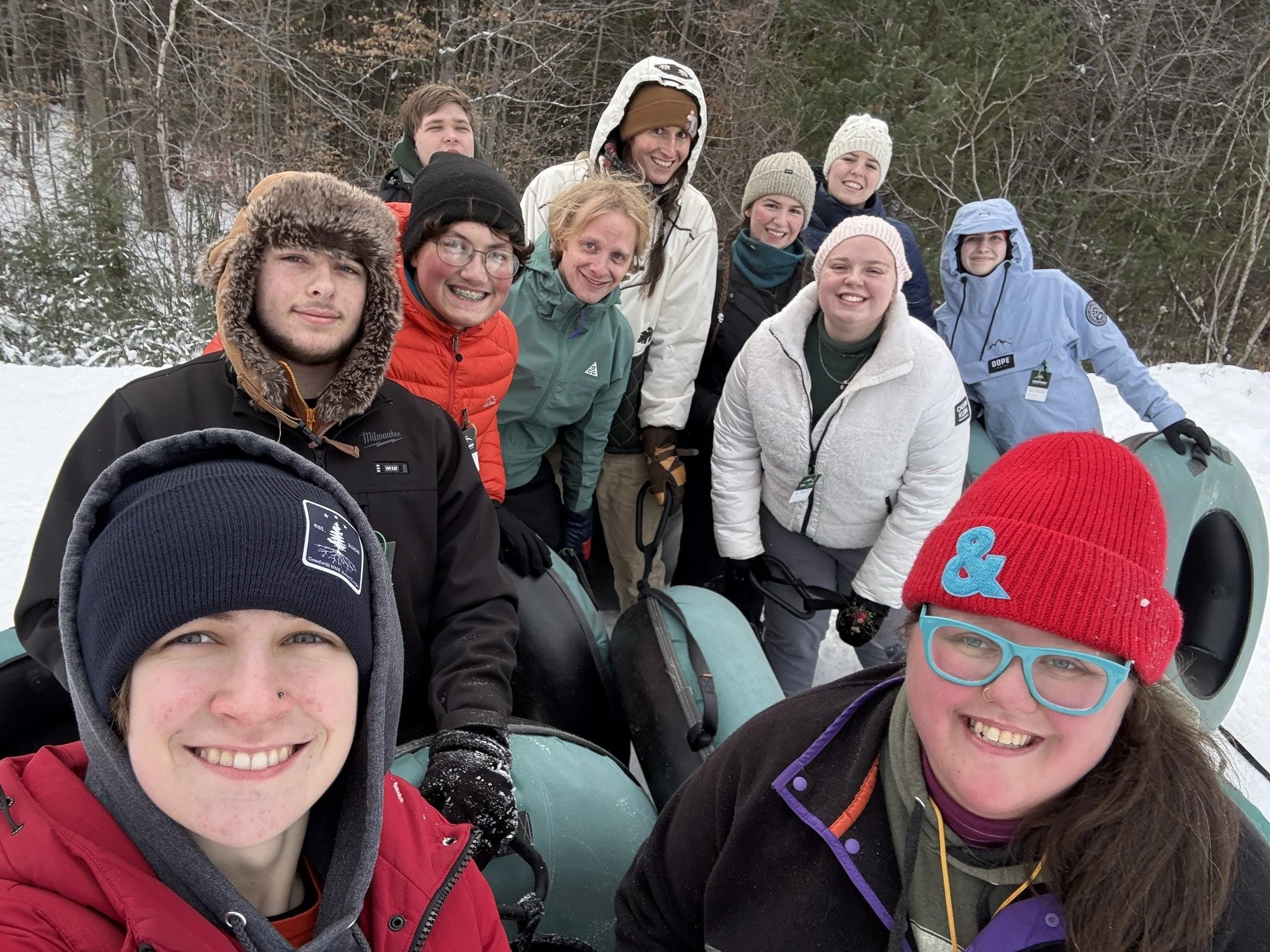
The Trekkers flagship program year mirrors the school calendar, beginning each September with a focus on team-building. From February onward, expedition season begins, with each grade level taking a trip tailored to where they are in their journey. 7th grade participants in their first year of the program take on a 3-day trip to Acadia National Park for camping, canoeing, and rock climbing.
“I started at Trekkers in the Fall of 2019 as a program manager, and could never have guessed how many lives I would see change, and what an impact it would have on me personally,” said TJ Morris, Trekkers Program Director. “The 6 year model is so unique. Each group spends around 100 days in the field together over their 6 years, but they spend nearly 2000 days with their cohort, their leaders, and the Trekkers community behind them.”
With their first year of programming under their belt, 8th grade teams dive into consensus decision making, which they use to plan the core components of their expedition: community service, culture, wilderness, environmental education, and adventure.
Ninth graders embark on an Urban Expedition through cities of the Northeast, stopping in Boston, Philadelphia, and Washington, D.C., where they encounter history, cultural landmarks, and a world that looks different from their own communities. As part of this trip, students participate in a cultural exchange with Urban Trekkers, a sister organization that grew out of the same model.
For seniors, the journey culminates in a Rites of Passage expedition: a 36-hour adventure in the woods of western Massachusetts, near the Berkshires. It provides a chance for students to reflect on who they've become, what they've shared with their team over six years, and who they want to be as they move into adulthood.
"It's really meant to be a pause before they launch into adulthood," said Tess Valdepeñas, Trekkers' Communications and Impact Manager. "These students take a moment within a very busy time of their lives to think about their journey, not just with Trekkers, but in adolescence. They’re able to think about who they want to become, the things that make them who they are, and things they want to carry forward into their future. They’re also able to come together as a team, celebrate that time, and take their first steps into the next stage of life."
In addition to the flagship 6 year program, Trekkers offers a leadership program in which 11th and 12th grade participants develop their group facilitation and mentoring skills, gaining the opportunity to practice these skills as volunteer tripe leaders. Trekkers also partners with Oceanside High School's alternative education program, NOVA, offering mentoring and "mini-expeditions" during the school day throughout the school year.
Impact You Can See in the Data
The depth of Trekkers' work shows up in the lives of students and in the numbers. In the most recent program year, over 90% of Trekkers students reported positive growth in key areas of resilience, including stronger peer relationships, greater interest in learning, improved critical thinking, and increased empathy.
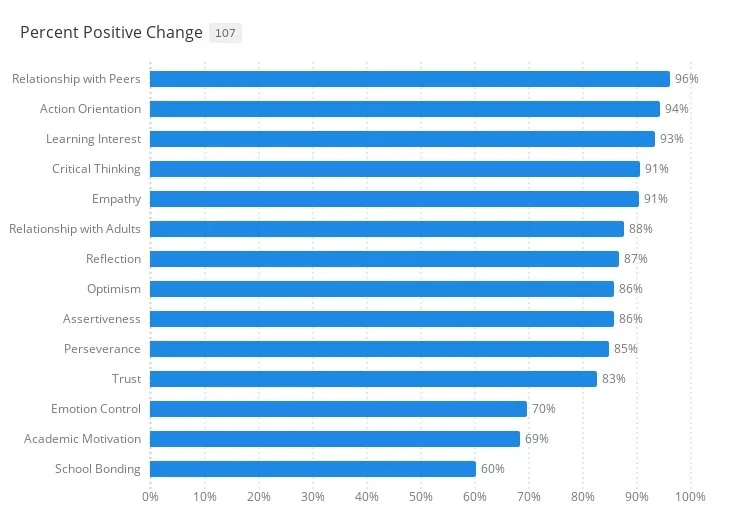
These outcomes are the product of a model built on consistency. The bonds formed on the trail, in the gathering spaces, and in cities far from home become the foundation for the kind of confidence and connection that helps rural youth imagine a future that they can reach.
To learn more about Trekkers, visittrekkers.org. To learn more about the Aspirations Incubator and RYI's partner network, visit aspirationsincubator.org.
