
Midcoast Youth Center: Guiding Rural Maine Youth Through Adventure and Leadership
Midcoast Youth Center & Skatepark (MYC) is built around a simple idea: kids grow when they have a trusted adult in their corner and the space to explore. That idea shows up everywhere at MYC, from an afternoon at the Teen Center or Skatepark to a multi-day backcountry trip, and it's the foundation of Waypoint, MYC's outdoor education and leadership program.
MYC's mission is to unlock the inherent potential of every young person while empowering them to thrive. It comes to life through initiatives like Waypoint, the organization's outdoor education and experiential learning Aspirations Incubator program. For Mike Mallon, MYC's director of operations, this mission isn't abstract. It's the reason he left a national nonprofit to come home to Maine.
“What attracted me to Midcoast Youth was the connection to my community, and giving back to kids in Maine,” Mallon said. “It's been gritty, it's been hard, but that's what has made this work feel so important and necessary. There are so many kids that do not have the opportunity to have trusted adults in their community. That’s what we provide to allow them to grow confidence in themselves."
From the Teen Center to the Trailhead
MYC’s programs are rooted in its locational hub: a converted National Guard armory building next to Bath Middle School and Morse High School, only a 60 second walk from Sagadahoc county’s largest, most underserved neighborhoods. At the Teen Center, kids as young as 10 walk through the door for community in any form that supports them most. That stability is the first of MYC’s three pillars alongside engagement and adventure, and it's what makes Waypoint possible in the first place.
Waypoint follows a cohort model, enrolling 12 students beginning in seventh grade and following them through graduation. Last year marked the first time in the program's history that seventh-grade recruitment was oversubscribed — more interested students than available spots.
“This has been possible because of how connected we are with the local middle schools,” said Ethan Stauffer, Waypoint’s program director. “Kids are seeing real and intentional mentorship happening here. It’s all about relationships: when a kid experiences something or someone that is authentic, they become your best recruiters.”
Through Waypoint, students take part in experiential and adventure-based learning, community service, and workforce preparation, building toward whatever comes after high school: college, military service, a volunteer program like the Peace Corps, or entering the workforce directly.
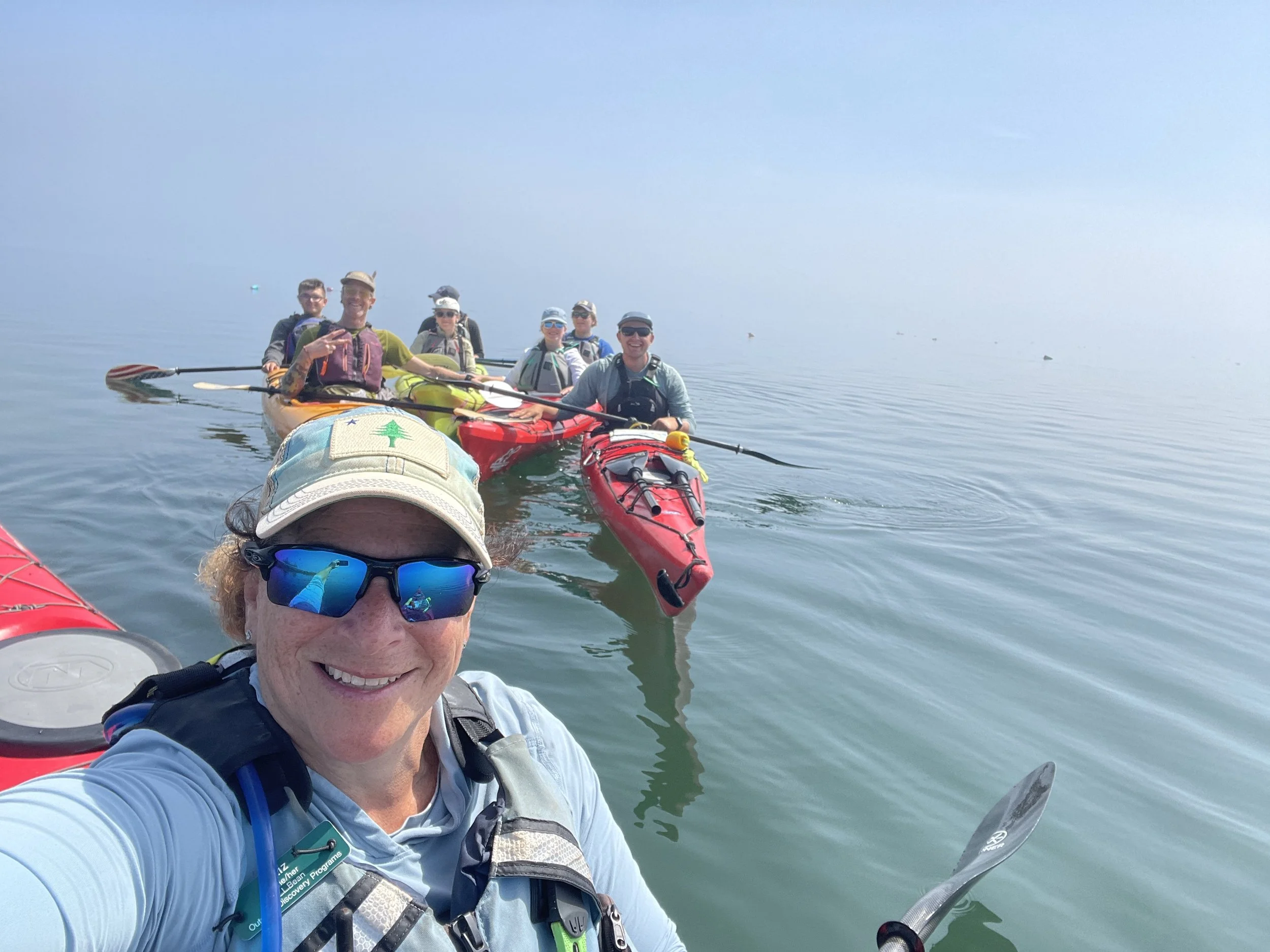
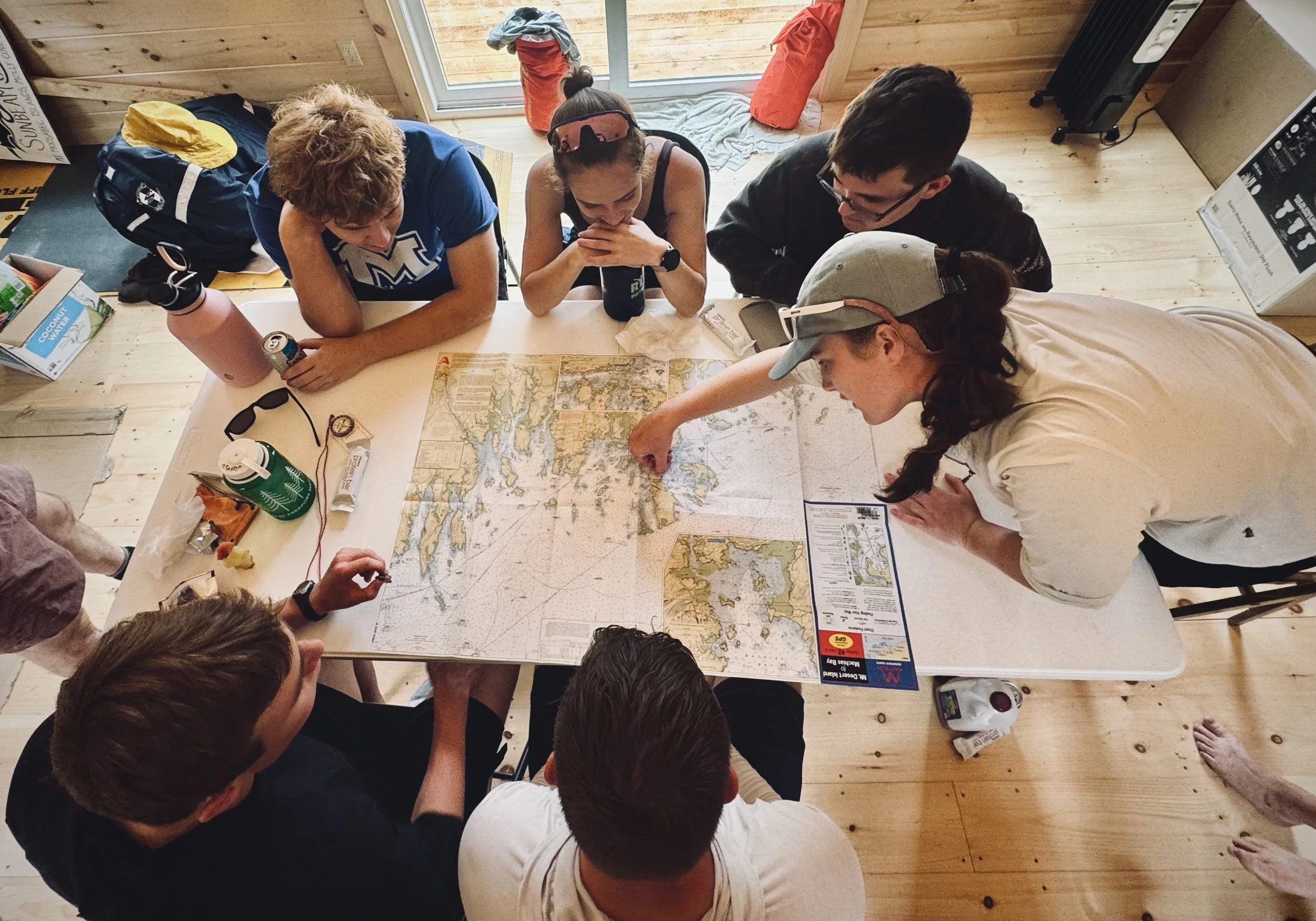
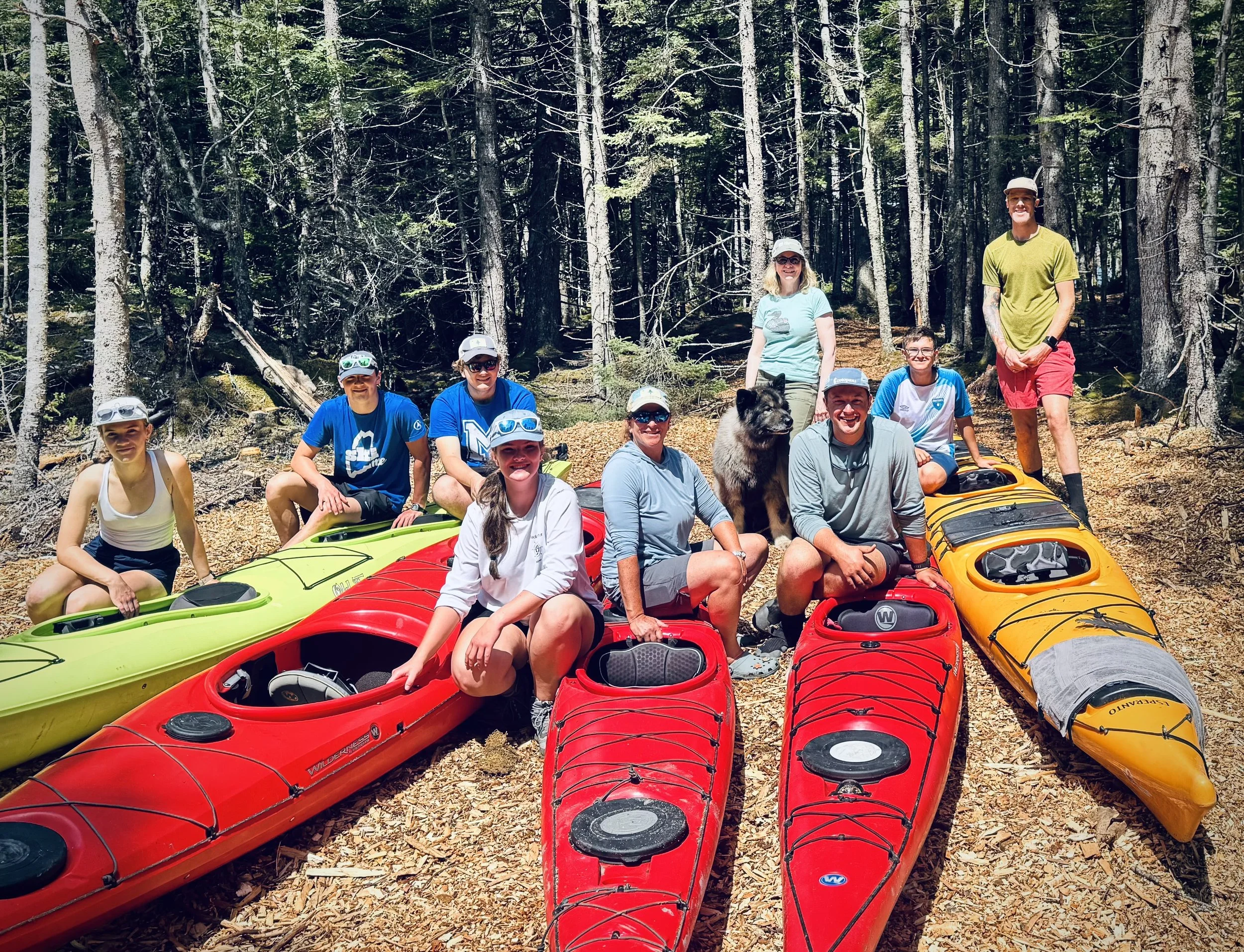
Last year, Waypoint’s 11th grade cohort got to try something new for the first time: paid internship opportunities that provided real hands-on experience to help guide them in their choices. Looking ahead, more new programs will be added to the Waypoint curriculum, including the Youth Action Board. Within this initiative, the 9th grade cohort will gain experience being a part of formal board meetings as they seek to address community needs with the support of Maine Health.
What makes many of the mentor relationships particularly meaningful at MYC is the authentic connection the staff has to the program, with many taking part in the programs in their youth before returning to give back to their community.
“There’s many people on our Compass Summer Camp staff who, when they were younger, came to the Teen Center for support and community,” Mallon said. “It’s special to see them now in their role as program leaders, making a difference in new ways.”
Compass Summer Camp is another program, like Waypoint, that provides adventure and healthy risk-taking. Half of this summer's camp staff were once campers themselves, a continuum Mallon sees as one of MYC's quiet strengths, and one echoed by mentors across the Aspirations Incubator network who grew up in the same communities they now serve.
A New Focus: Peer Mentorship Across the Middle School Transition
This year, Waypoint took on a new shape. The program’s rising 11th and 12th graders spent the spring and summer developing leadership skills to become peer mentors for incoming seventh and eighth graders, students navigating one of the toughest transitions in RSU1: moving from Bath Middle School or Woolwich Central School into Morse High School, often without knowing many of their future classmates.
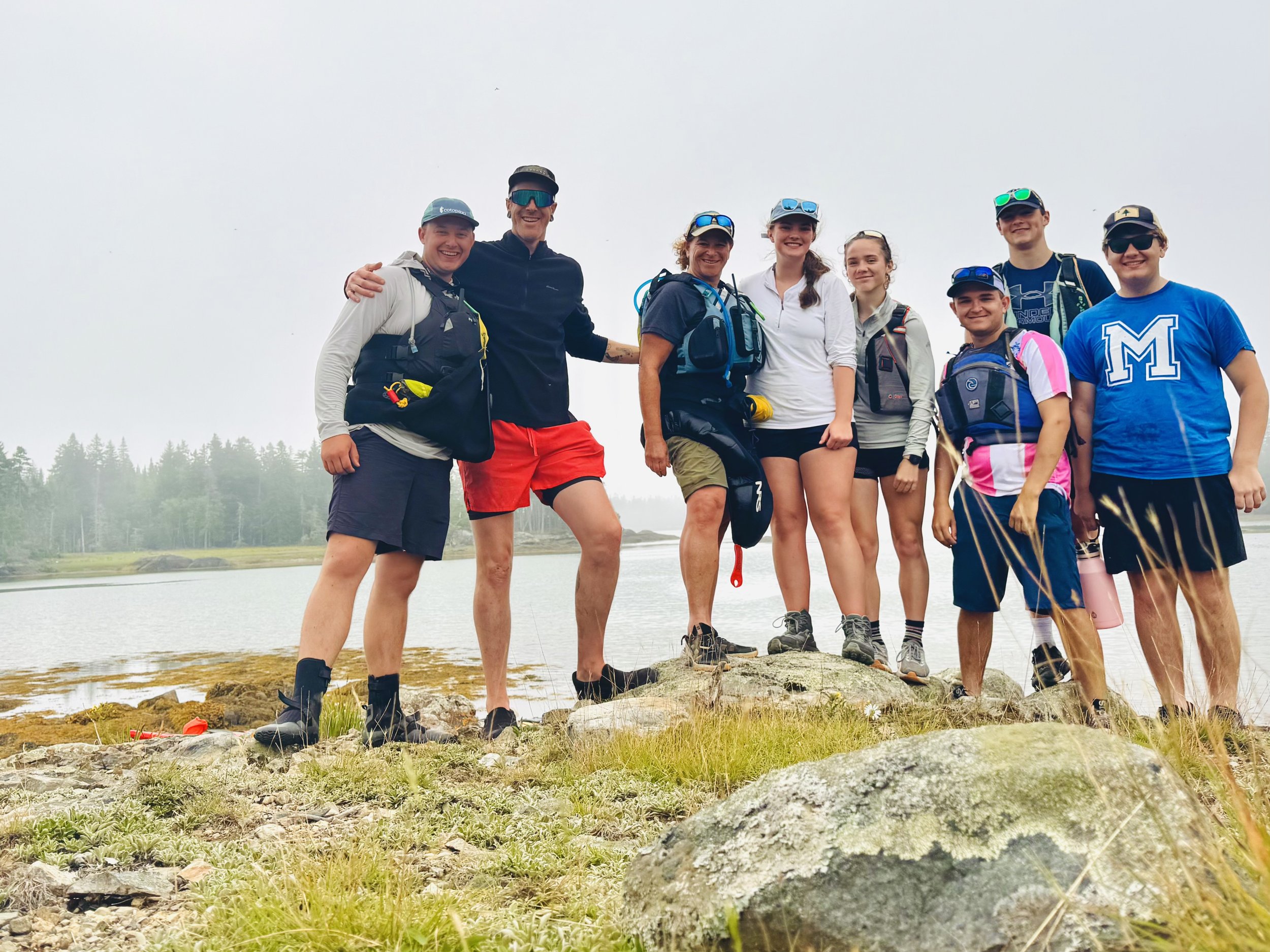
Alongside that new leadership focus, Waypoint's cohorts kept up a full calendar of trips and experiences throughout the year, including a twelfth-grade trip to Montreal, a college tour for eleventh graders, and a canoe trip for tenth graders. This summer, the newly formed leadership cohort completed a three-night backcountry adventure together as part of their training.
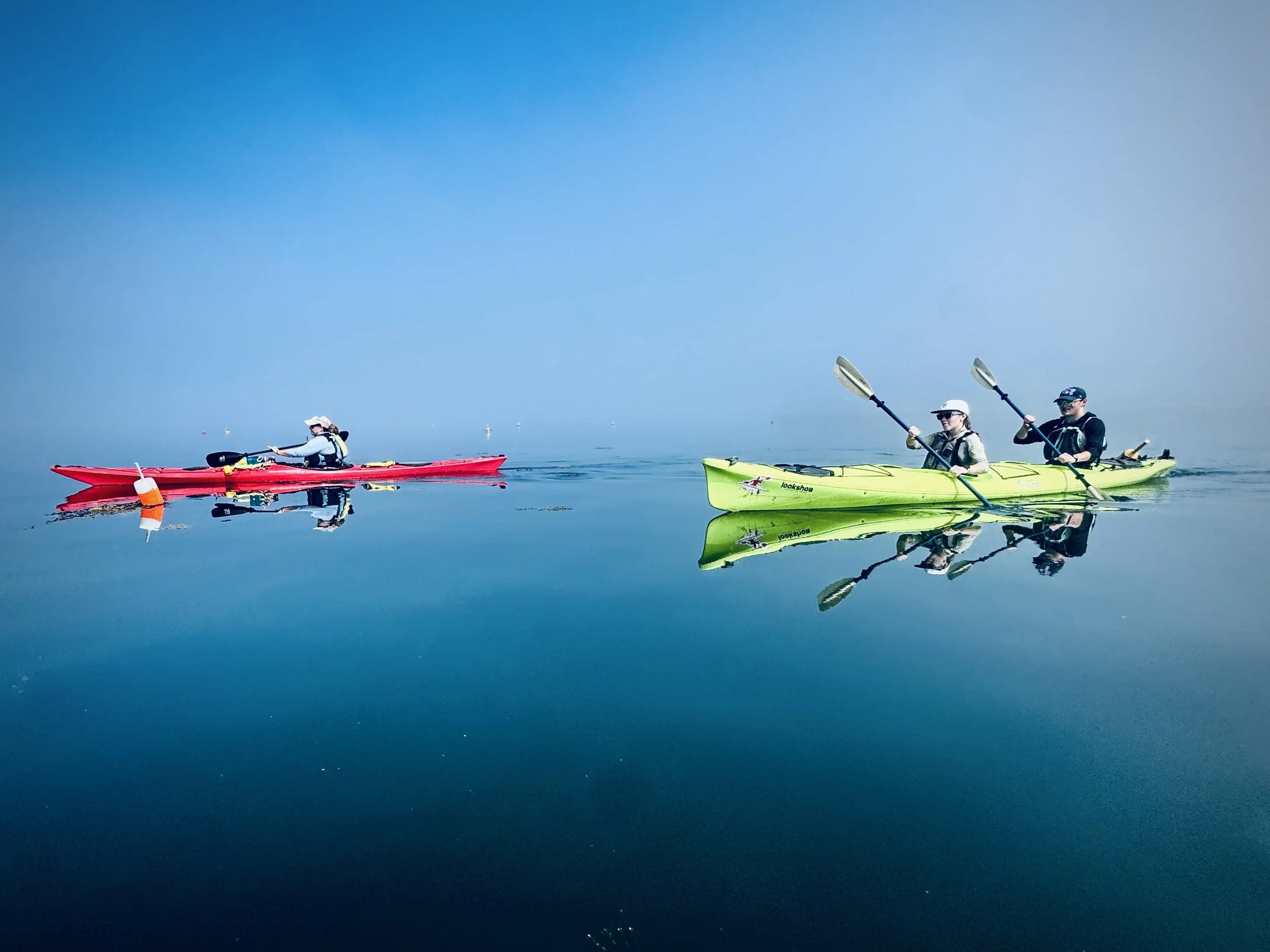
“Ever since I was a kid, I knew I wanted to do this kind of work. Now, I get to lead adventures I never imagined,” Stauffer said. “Working at Midcoast Youth Center & Skatepark allows me to share my love for the outdoors with students, helping them discover the same joy and wonder I felt on that lake years ago. It’s more than a job—it’s a dream come true.”
Looking ahead, MYC has hired a new Waypoint assistant who will split time between the Teen Center and Waypoint this year with plans to grow into a second full-time Waypoint program leader the following year, expanding the program's capacity to build these relationships at scale.
Why the Network Matters
For Mallon, MYC's connection to the Rural Youth Institute and the Aspirations Incubator has been a direct difference in what’s possible in the program’s work. The Aspirations Incubator network was built as a peer learning community, connecting youth-serving organizations and professionals to strengthen practice, share learning, and advance a shared vision: ensuring rural youth have access to the relationships, opportunities, and resources they need to thrive.
“It's monumental, integral… It wouldn't exist without it,” he said. "Programs like this have existed before, but since the Aspirations Incubator project started, and since the Rural Youth Institute is now engaging a statewide network of partners, we’ve found strength in community. There are a couple programs that no longer exist. Without this network, there would be so many more lost.”
Mallon points to a stark statistic he heard on a recent Rural Matters podcast episode featuring RYI's Executive Director Meg Taft: nationwide, only 7% of philanthropic dollars are invested in rural communities. In a funding landscape he describes as a "perfect storm," Mallon said the RYI network gives MYC something money alone can't: a shared voice. "It connects us to this larger thing that makes us feel bigger, and provides a larger voice that helps the smaller voices become elevated," he said. "It recenters us every month."
At its core, Mallon said, the work comes down to something simple, yet real. "Young people today are faced with more challenges than ever. It's hard for young people to grow when they don't have someone they can trust, and they may not even realize they're missing the opportunity." Whether it's a grilled cheese, a game of kickball, or a three-night trip into the Maine woods, MYC and Waypoint are working to make sure they don't have to.
To learn more about Midcoast Youth Center and Waypoint, visit midcoastyouth.org. To learn more about the Aspirations Incubator and RYI's partner network, visit aspirationsincubator.org.
