
True growth is made possible by dedicating months of practice, reflection, and real-world application to the missions that matter most. For this year’s cohort of Aspirations Incubator Fellows, a 10-month training experience provided space for this type of growth to flourish.
The Youth Development by Design program, led by Rural Youth Institute Executive Director Meg Taft and former Trekkers Training Director Diane Sternberg, allowed training participants to learn more about the concepts they interact with in youth development initiatives. At the end of this training, participants designed and carried out a capstone project rooted in their own site, using what they learned to meet a real need for the young people they serve.
From Lewiston to Westbrook and many communities in between, these projects looked different everywhere they landed, yet they were all built on the same foundation: using data, strong relationships, and intentional design to support youth voice, agency and leadership
A Training Built on Shared Language, Different Contexts
For Good Health Works AmeriCorps Coordinator Delaney Donovan, watching this cohort grow over the last year has been the best part of her role.
“Thinking back to that first training and now seeing these capstone presentations, it's incredible to see how much more confident and knowledgeable this cohort seems, within themselves and with each other,” Delaney said.“Watching the professional and personal growth flourish has been truly impressive. They've gotten to know each other and what each peer is doing at their organizations, but they’ve also made time to understand each other at a personal level and become friends, which naturally impacts their work.”
Many participants moved to Maine from across the country to take on these roles, joining roughly half of the cohort already rooted in the state. Whatever their starting point, all members are placed in direct-service roles working face-to-face with youth and families.
The hands-on structure allowed the training to authentically resonate with participants through active learning. Fellows came from schools, community centers, and after-school programs scattered across the state. Despite hailing from different communities, the Youth Development by Design framework gave them a shared vocabulary to strengthen and deepen the work already happening at their host sites.
For Delaney, the impact shows up in numbers as well as stories. Site visits have illustrated the cohort members’ ability to turn around attendance and behavior for kids who once struggled to show up.
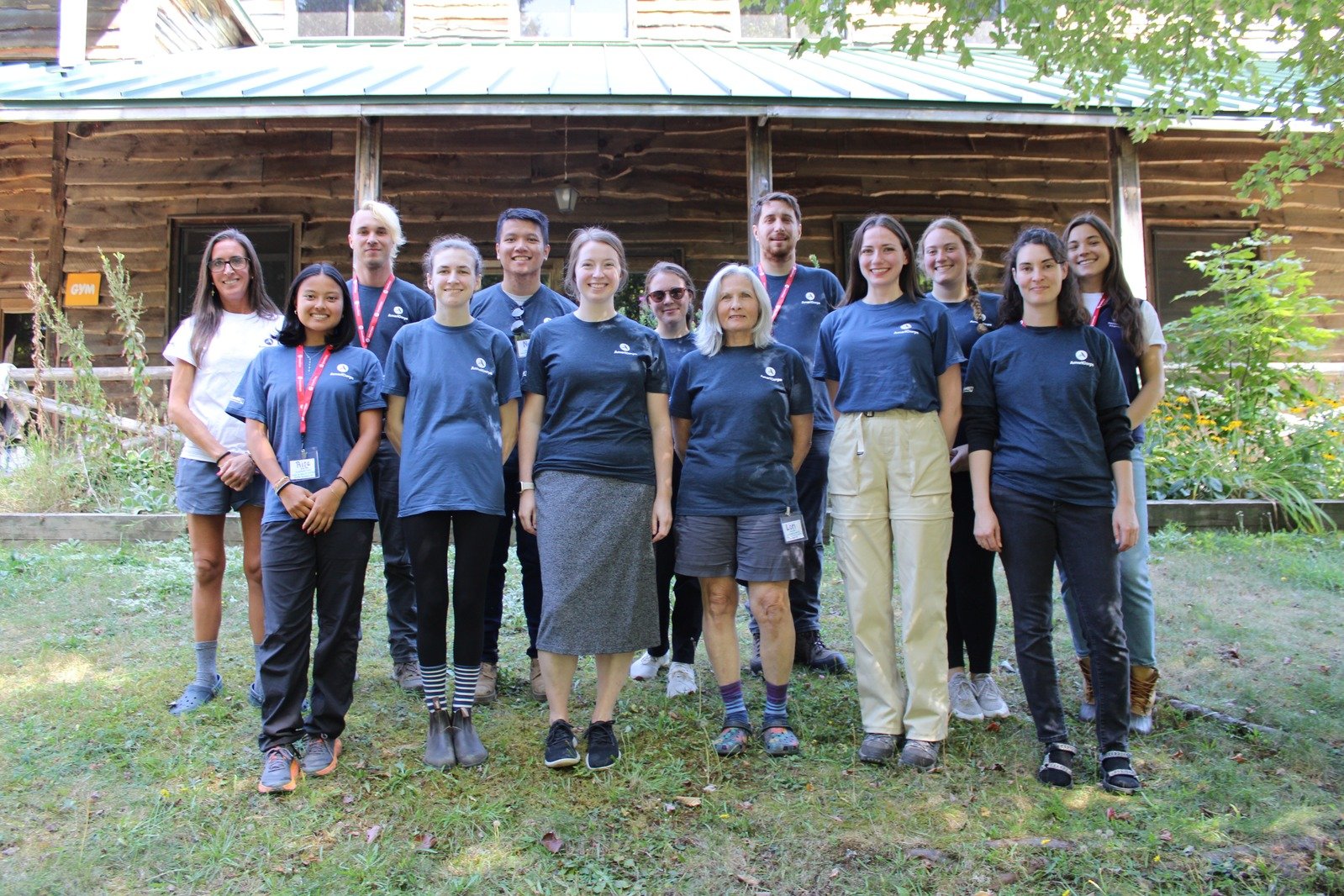
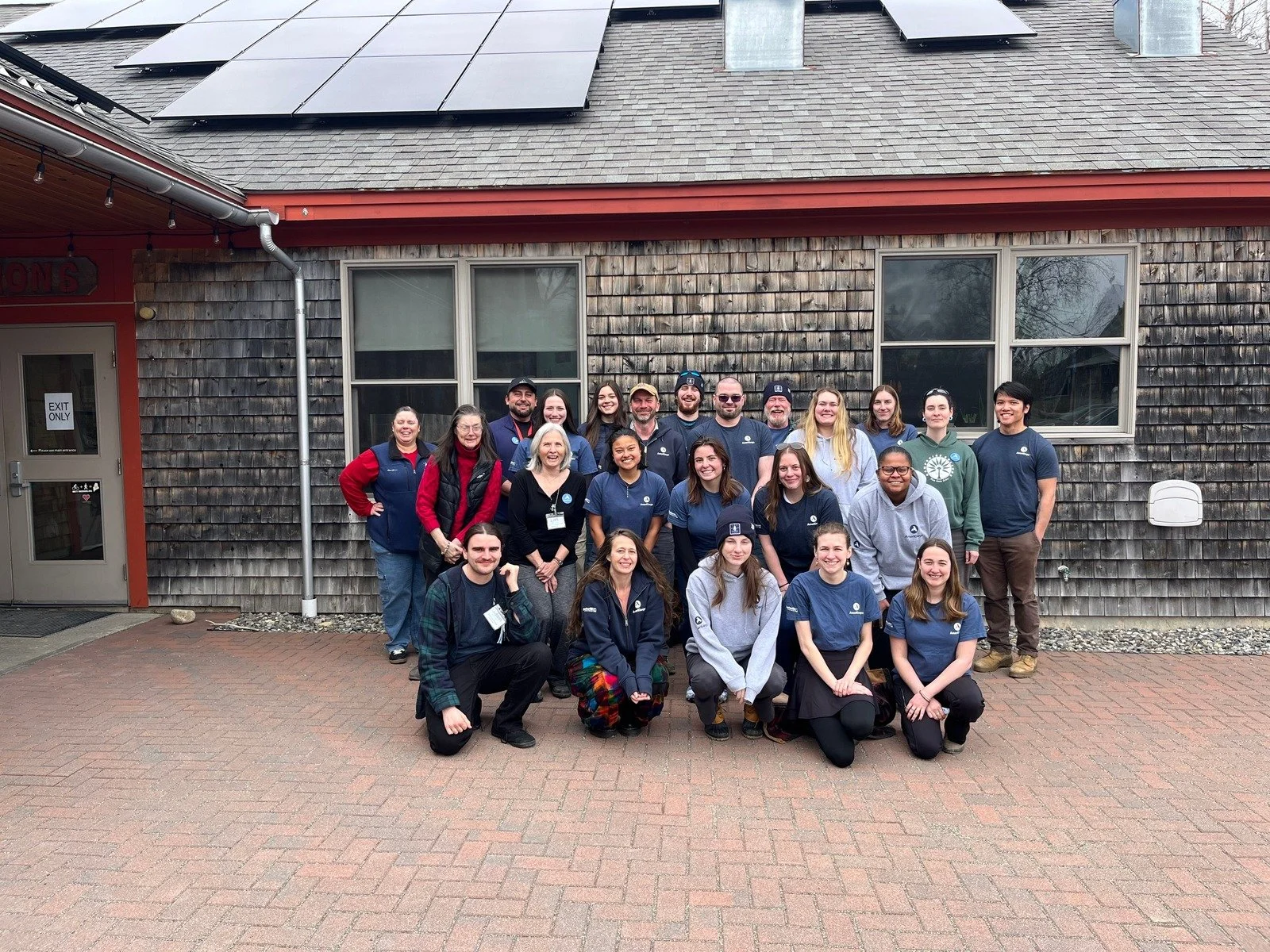
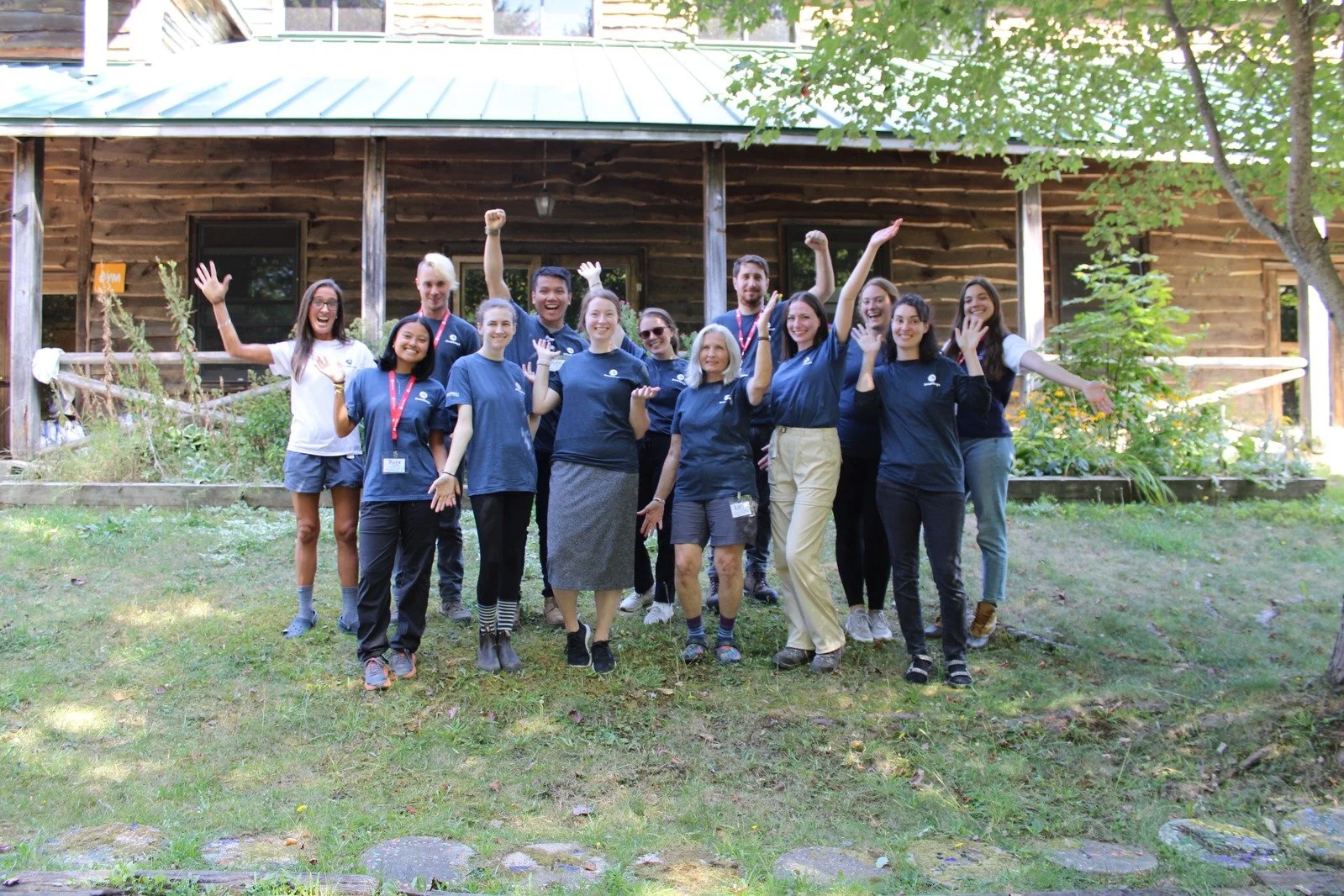
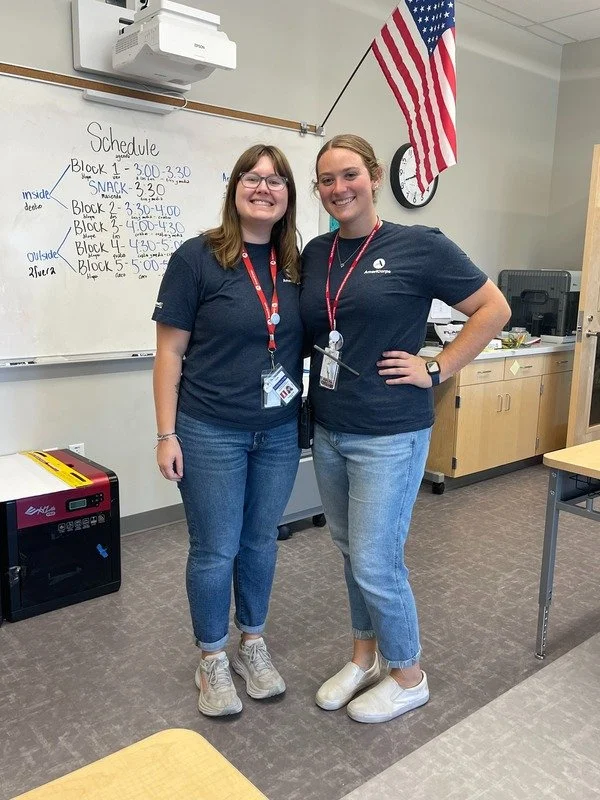
“I've gone to some of the schools and organizations in person to see what they've been up to. And they're really able to show the tangible difference they're making in these kids' lives,” Delaney said. “There are improvements, there are less detentions, there are less absences. These kids know now that there's someone who is really trying, really there for you.”
Turning Data Into Individualized Support at the Intercultural Community Center
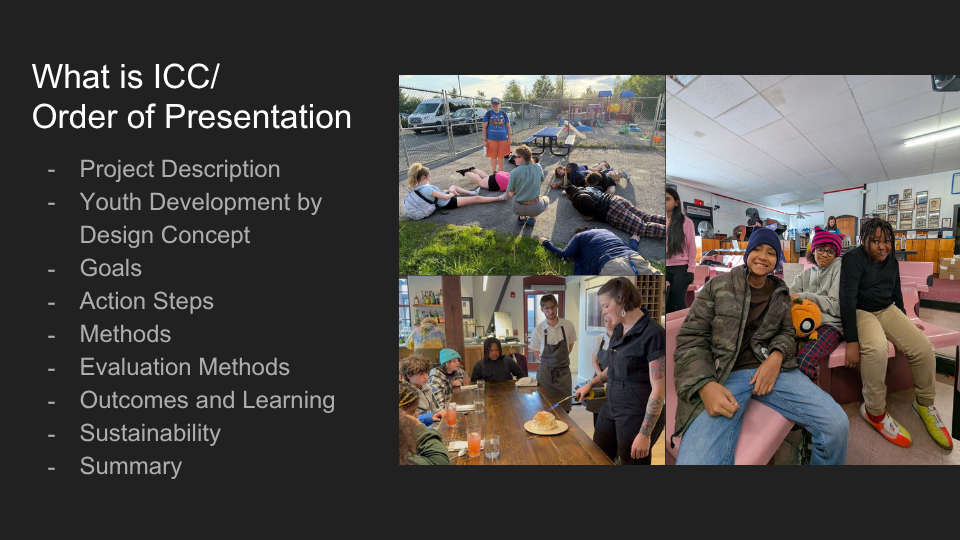
At the Intercultural Community Center (ICC) in Westbrook, AmeriCorps member Nate Palmer works with fifth through eighth graders in Power School and Power Summer, programs designed to help new Mainer and immigrant families integrate into the community through academics, enrichment, and weekly field trips.
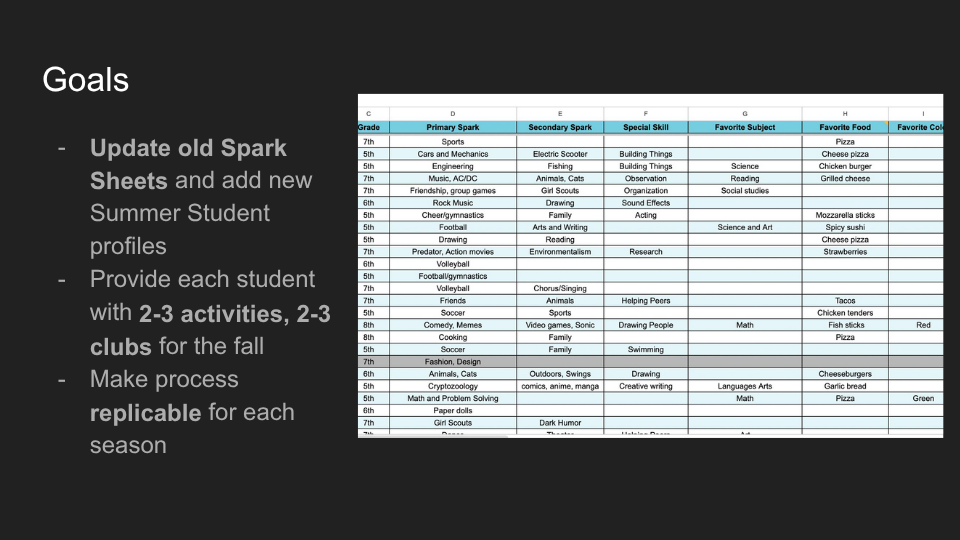
Nate's capstone project tackled two problems at once. ICC had been collecting a “Spark Sheet” of student interests, including favorite activities, foods, and hobbies, but wasn't using the data. Additionally, staff had no way to track why students left the program once they moved on to school sports or other commitments in sixth and seventh grade.
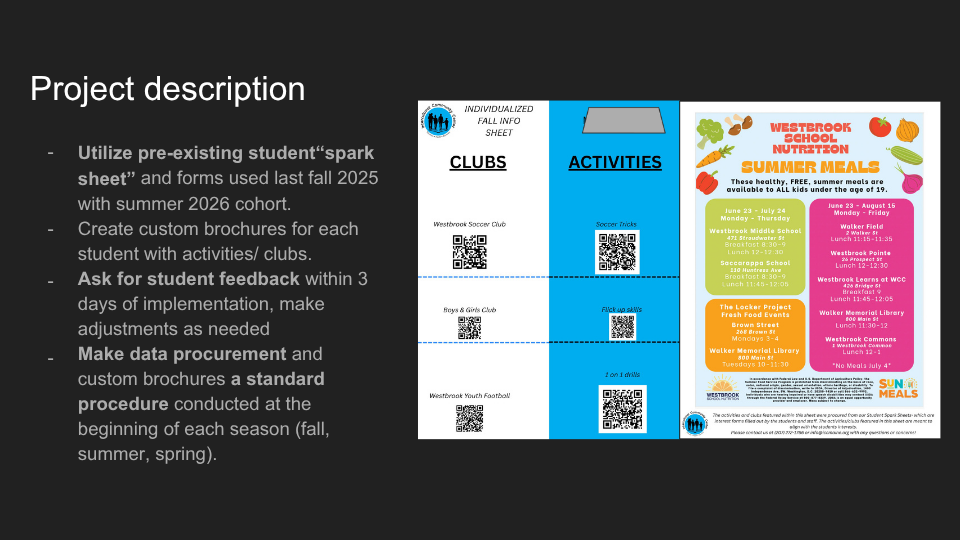
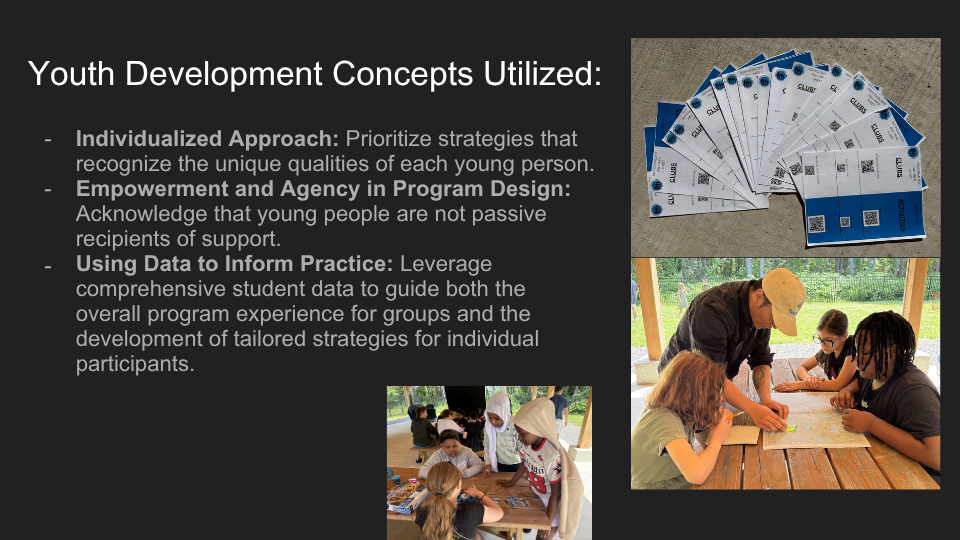
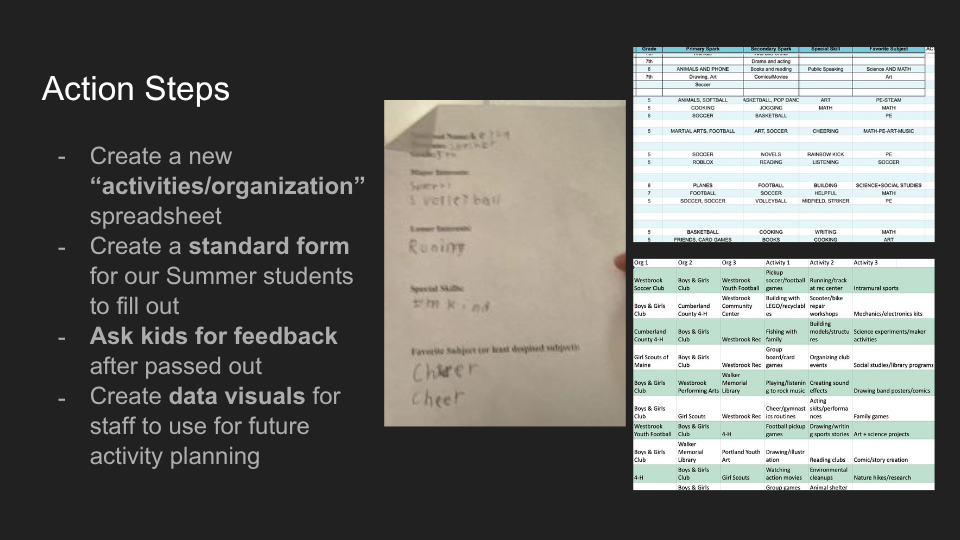
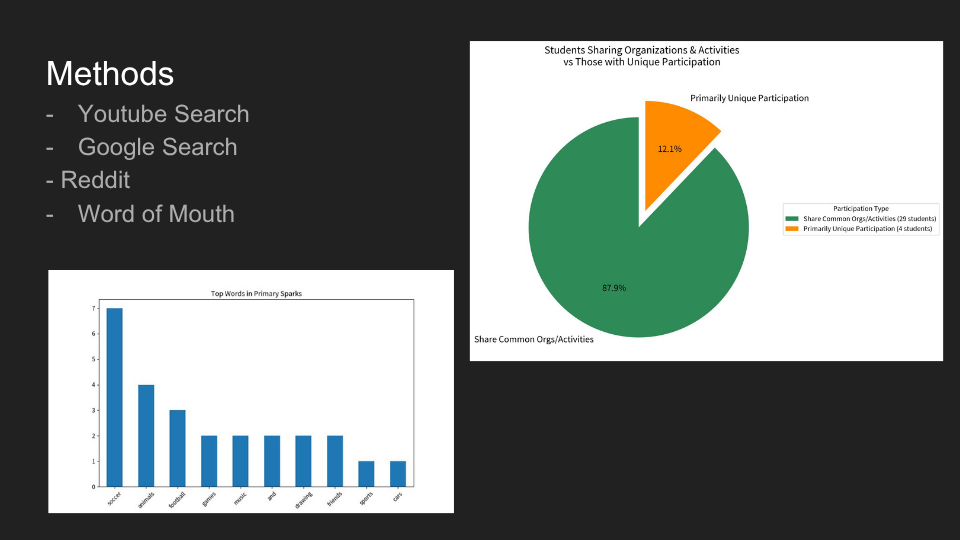
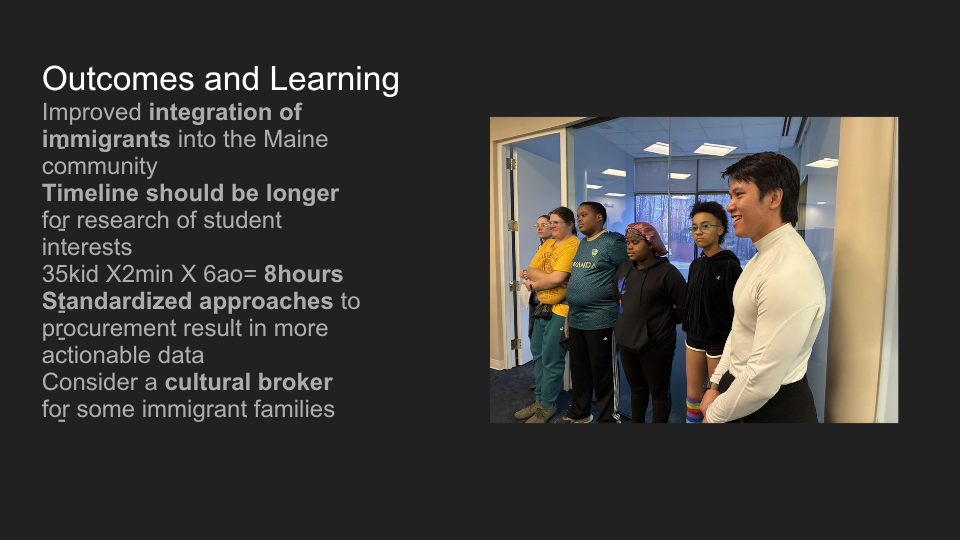
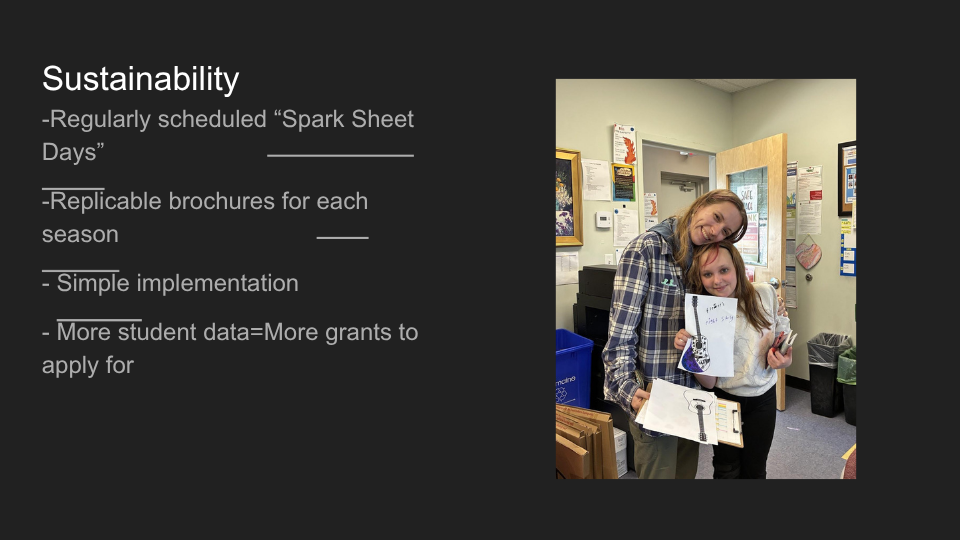
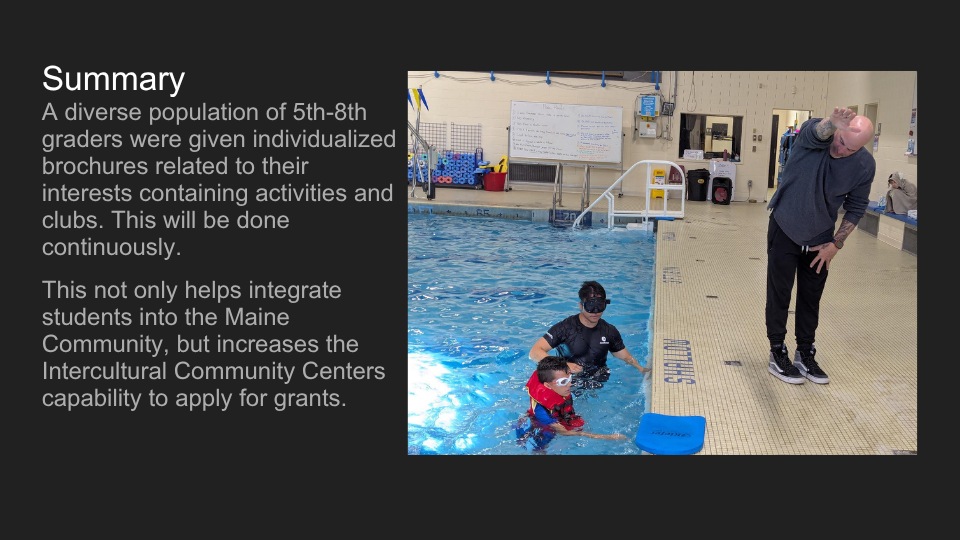
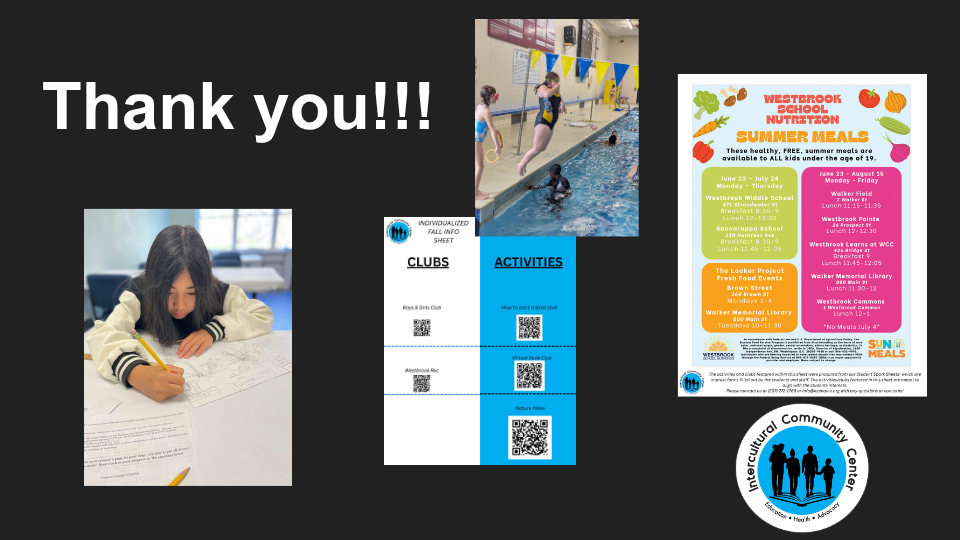
His solution took the form of individualized pamphlets for every student, built from their Spark Sheet data, recommending two to three free or low-cost local activities and organizations tailored to their interests. The pamphlets refreshed ICC's data on its own students while giving staff a clearer picture of where kids were headed after they left the program — information that can also strengthen ICC's grant applications by showing the organization's role in connecting kids to the broader community, from the Westbrook Youth Soccer Club to the Portland Boxing Club.
“Not only are they learning the book skills, like understanding English,” Nate said, “they're understanding what Maine and their local community really is and what it has to offer.”
Beyond the capstone itself, the 10-week training sessions allowed Nate to deepen his perspective of his role, connecting concepts to practices that are already in play at ICC while expanding his network of youth educators.
“The biggest highlight of this experience was working with other educators in the area. Learning alongside them allowed me to come up with ideas I wouldn't have otherwise,” Nate said. “Additionally, the Youth Development by Design framework allowed me to label techniques we’d been using and better categorize when these types of concepts should be used and with what population as well. I’ve gained a better understanding of my position as a result.”
Building Youth Leadership at the Root Cellar
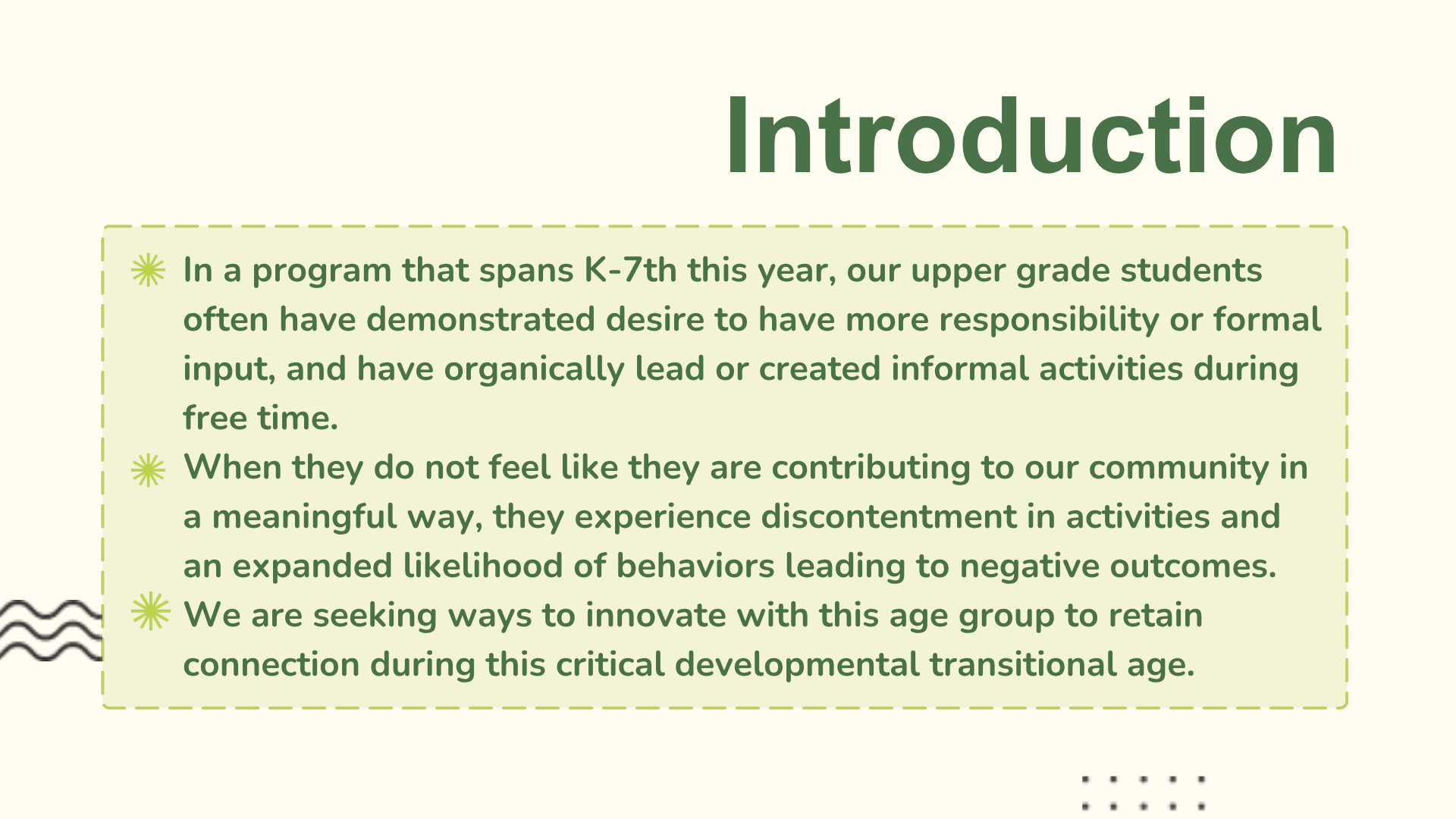
In Lewiston, Olivia Myers’ work at the Root Cellar centers on an after-school mentoring program for kindergarten through eighth graders. As she moved through the Youth Development by Design training, she found herself drawn to a specific question: how could older students at the Root Cellar take on real leadership, rather than just participating in adult-led programming?
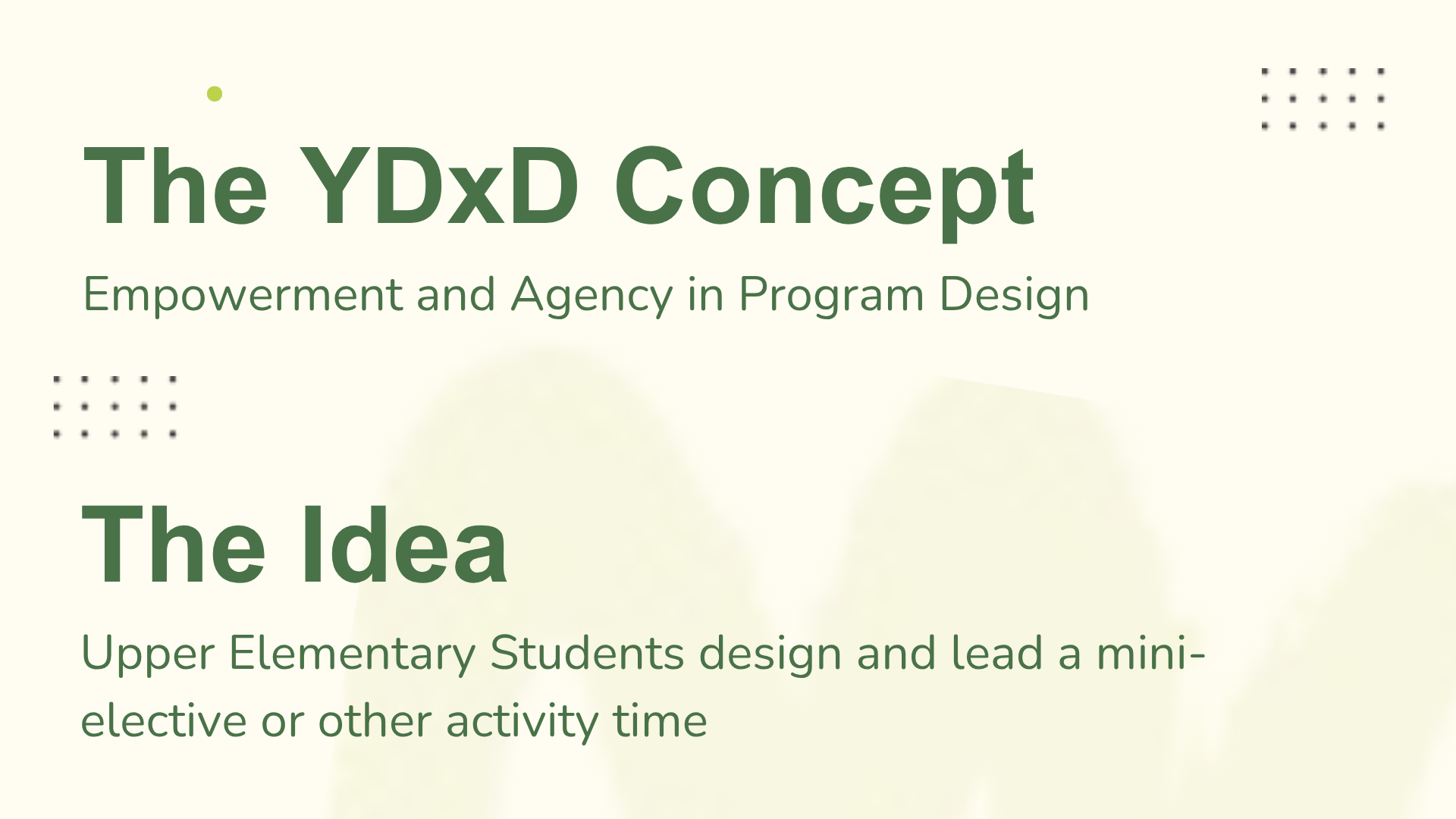
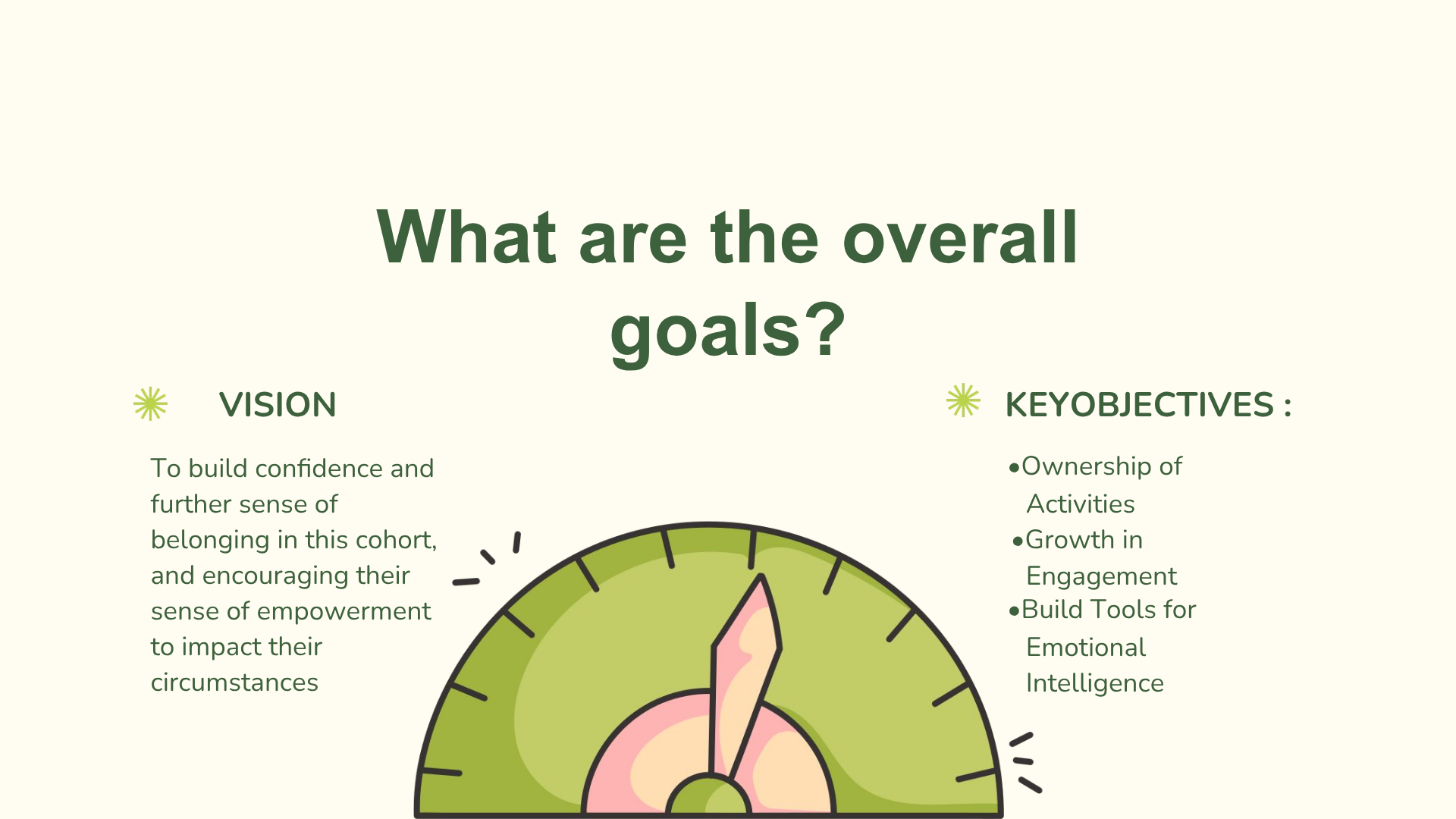
Her capstone drew from an elective the Root Cellar had already piloted, where a teen led a beauty and nail care session for younger kids. Building on that spark, she designed a project giving a cohort of older kids the chance to choose and lead their own electives, rooted in youth voice and choice rather than an assigned list.
“They really loved the ability to see themselves in their leader, and their desire to contribute meaningfully,” Olivia said. “I wanted to give them an avenue that would boost them in a variety of ways.”
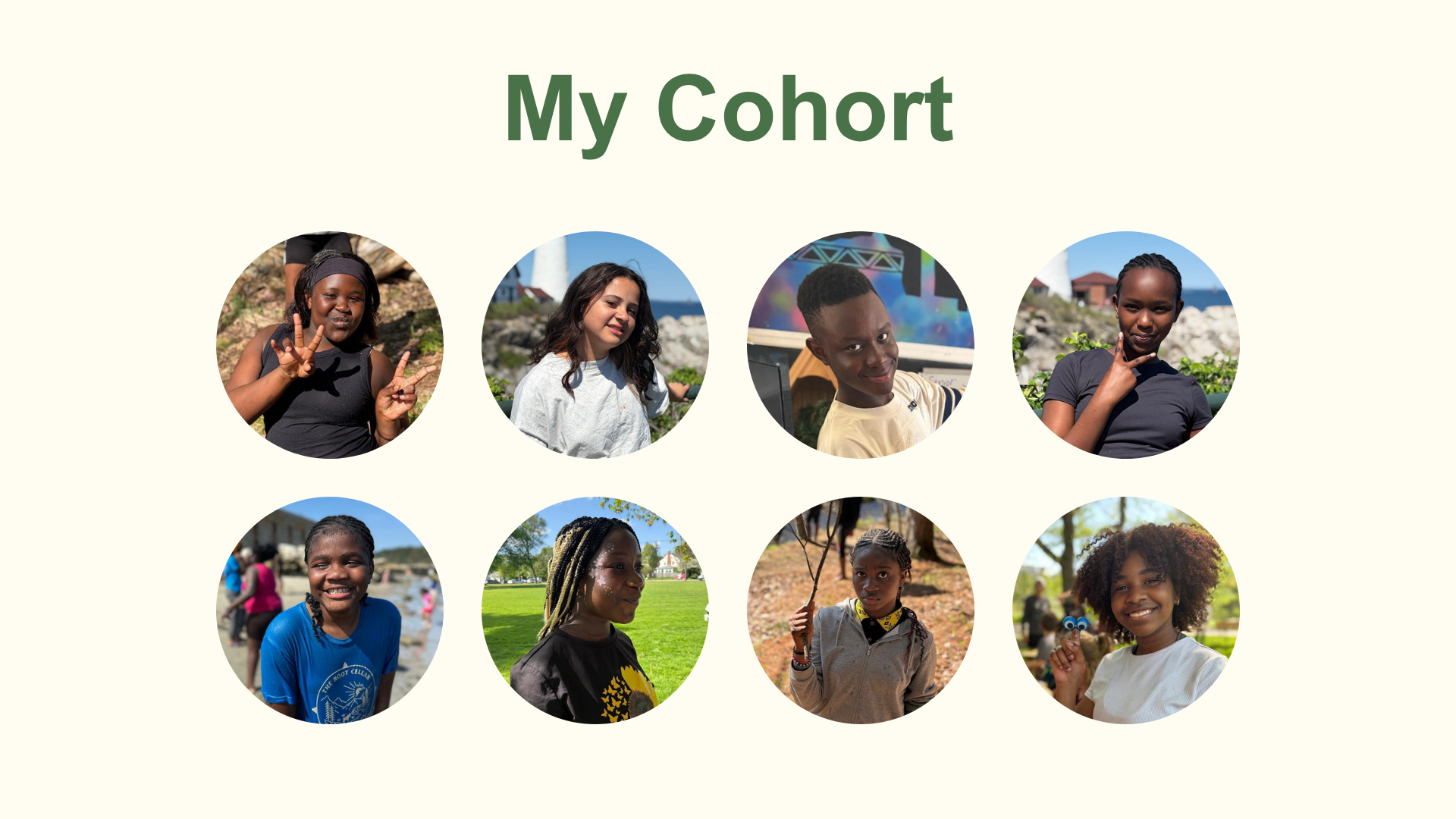
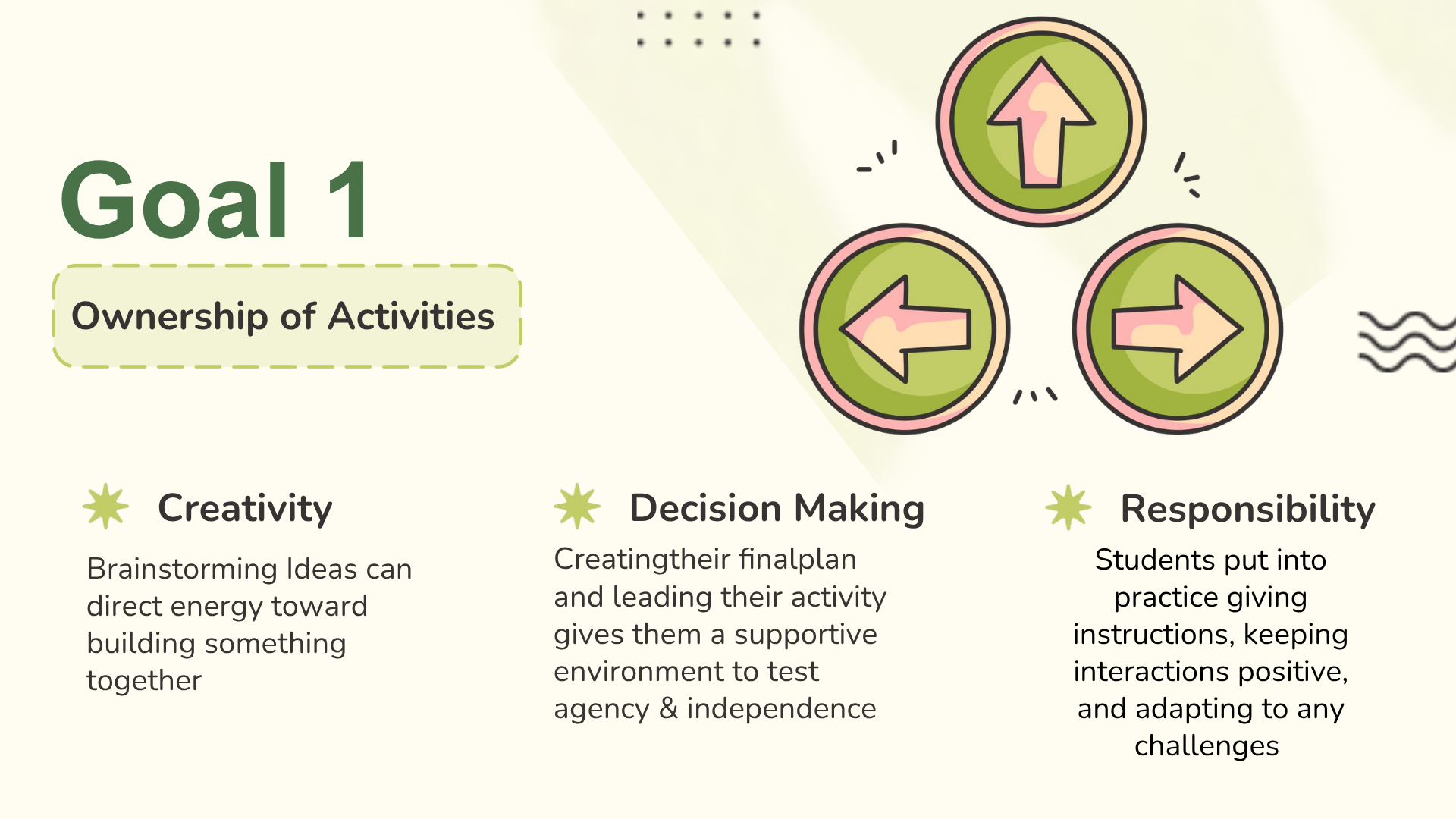
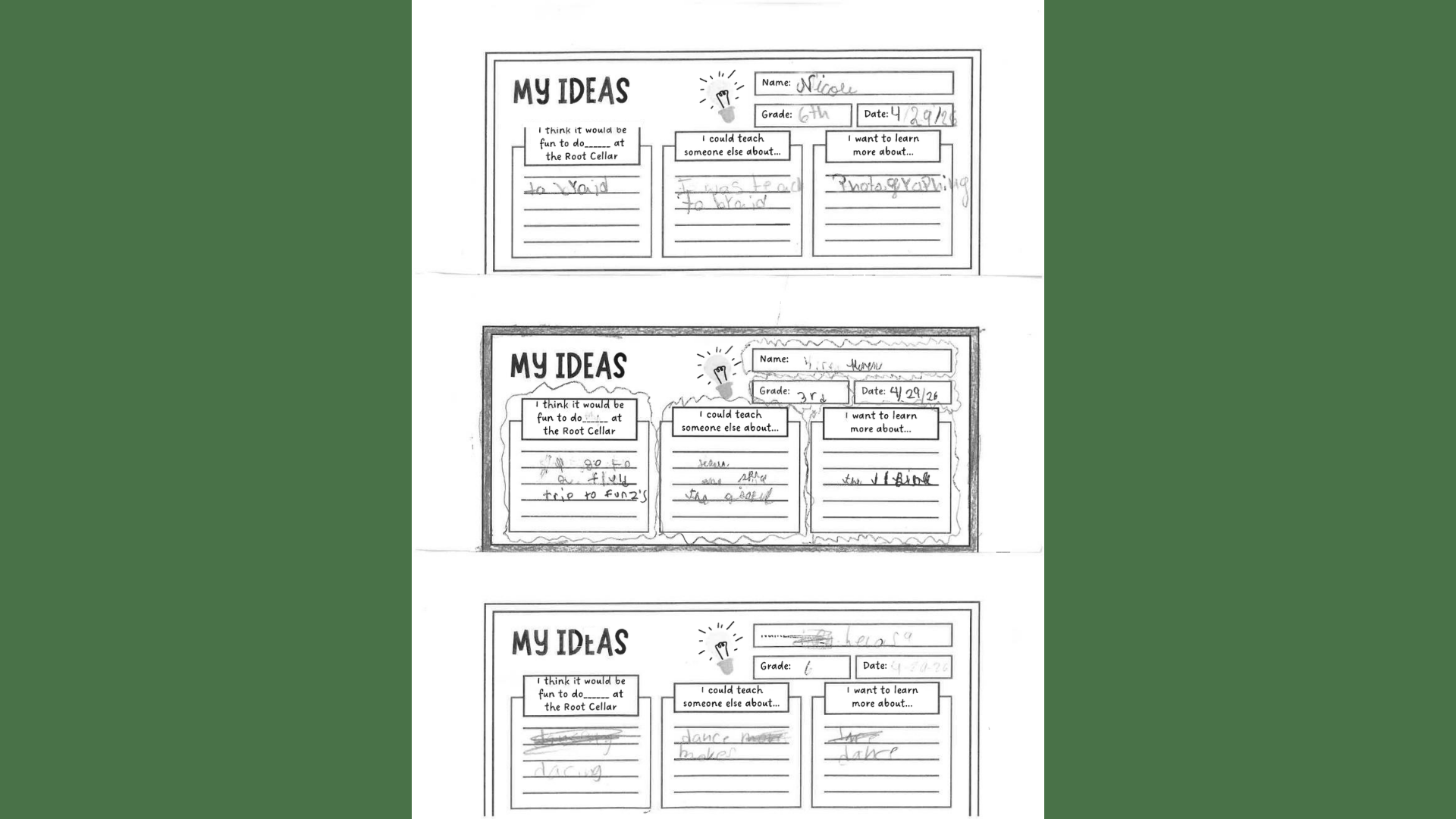
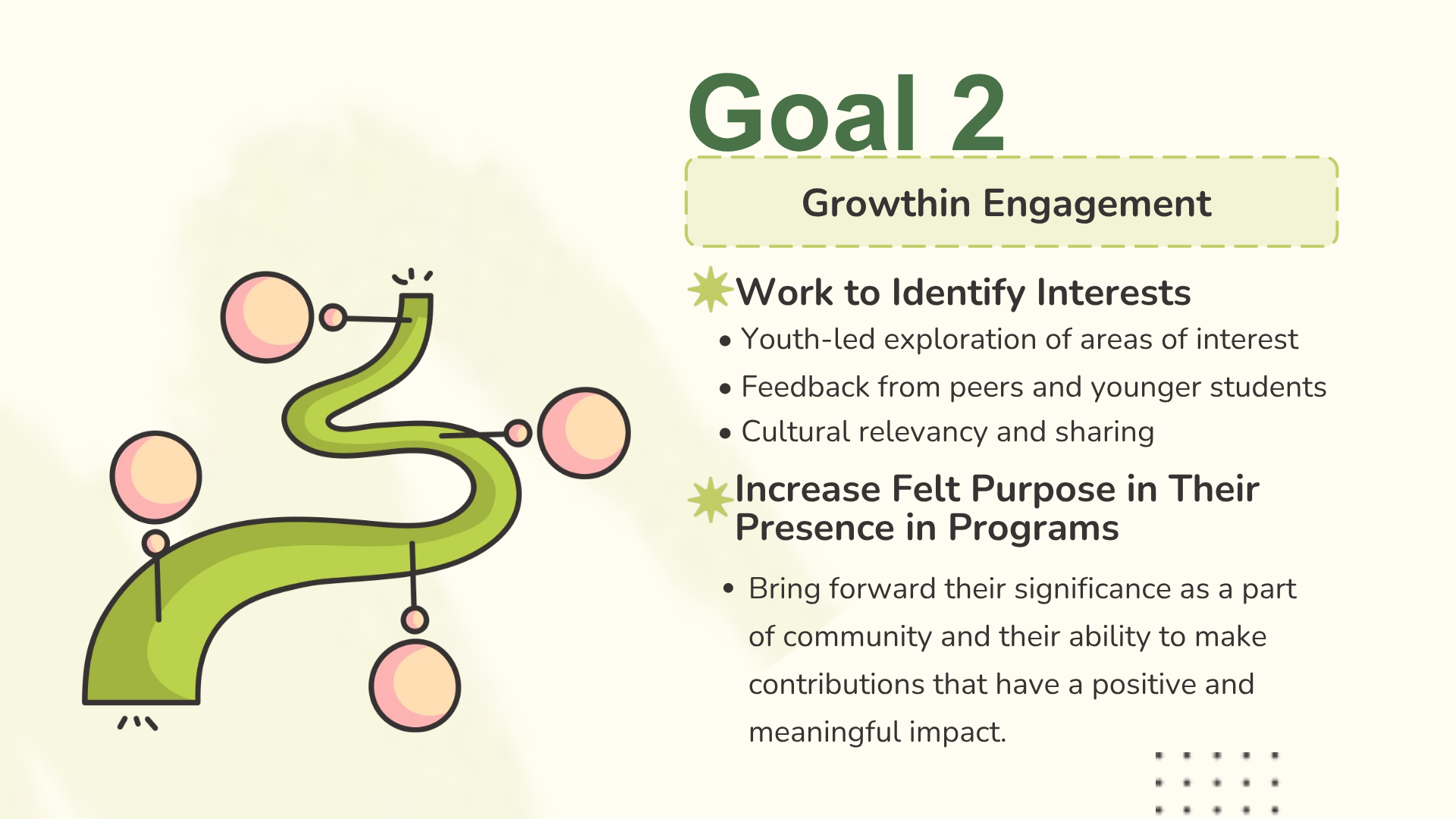
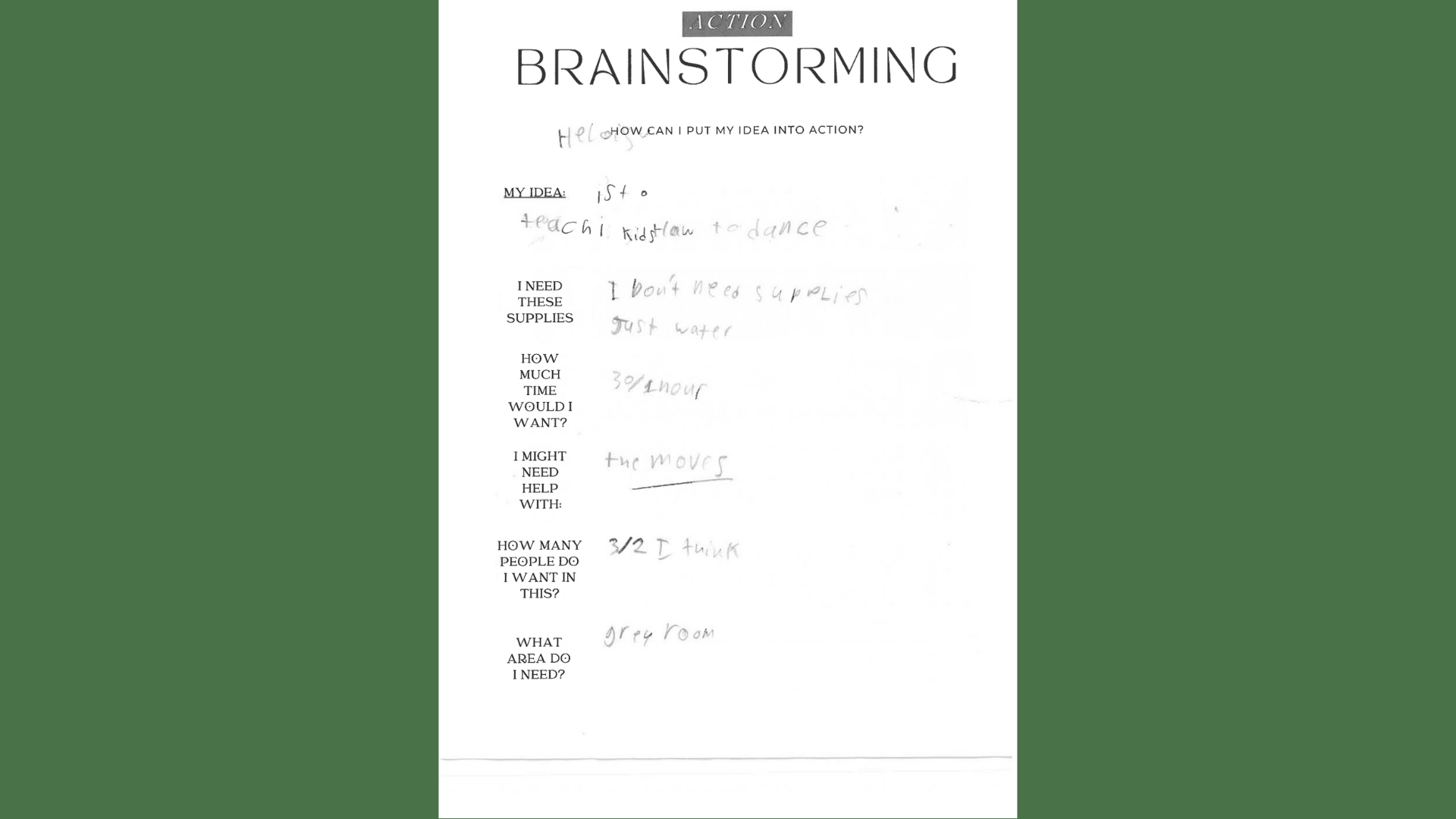
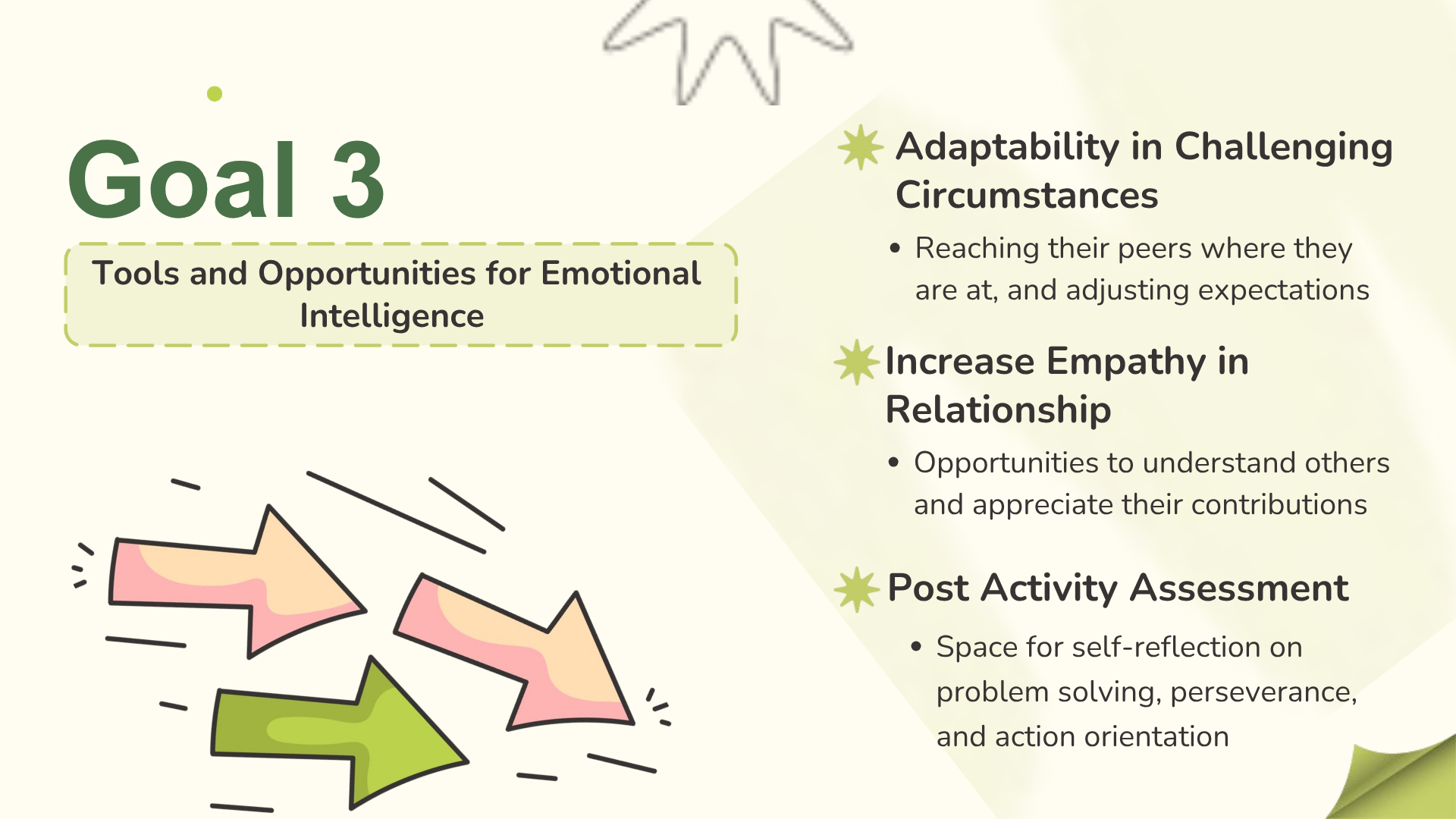
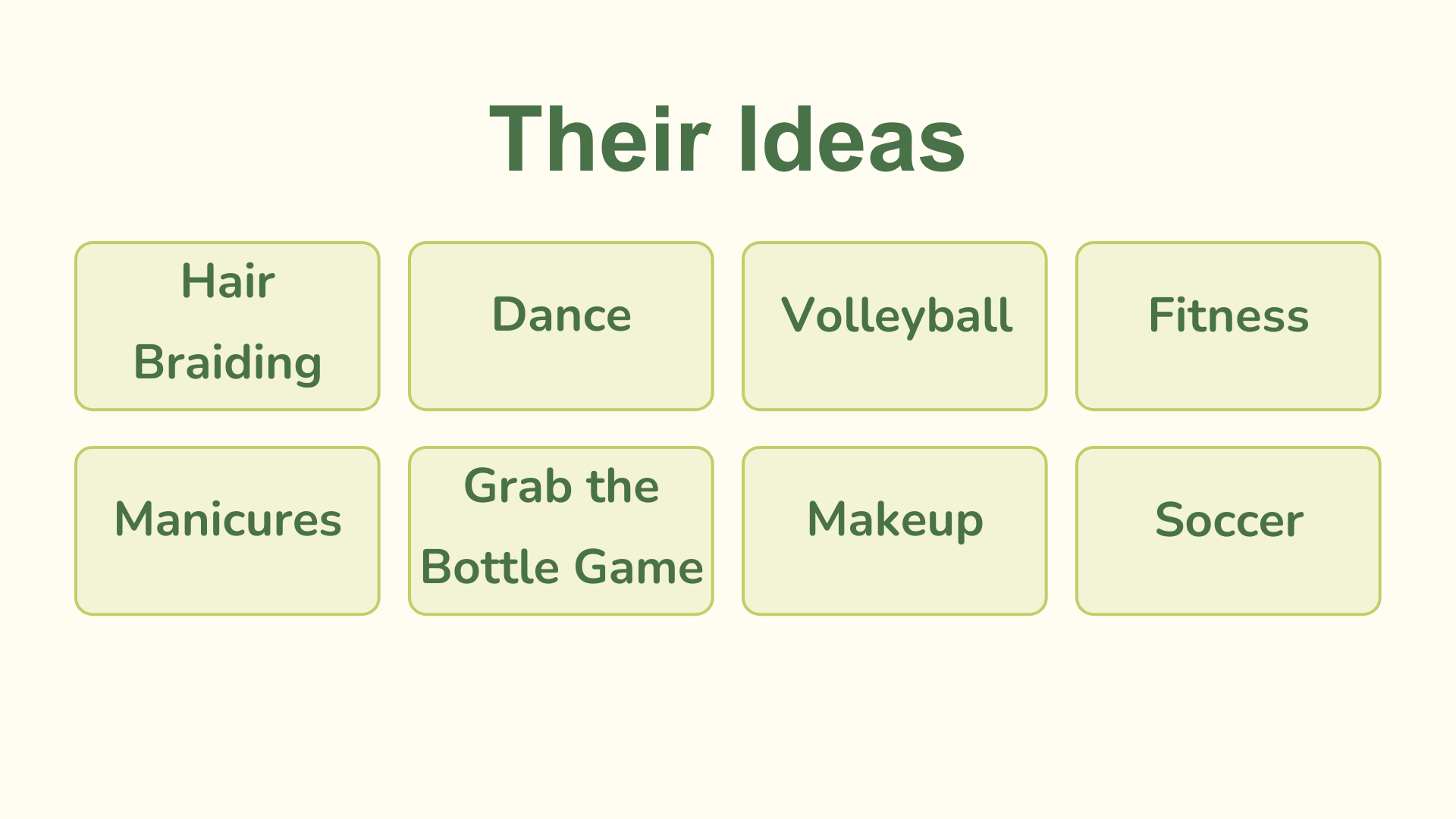
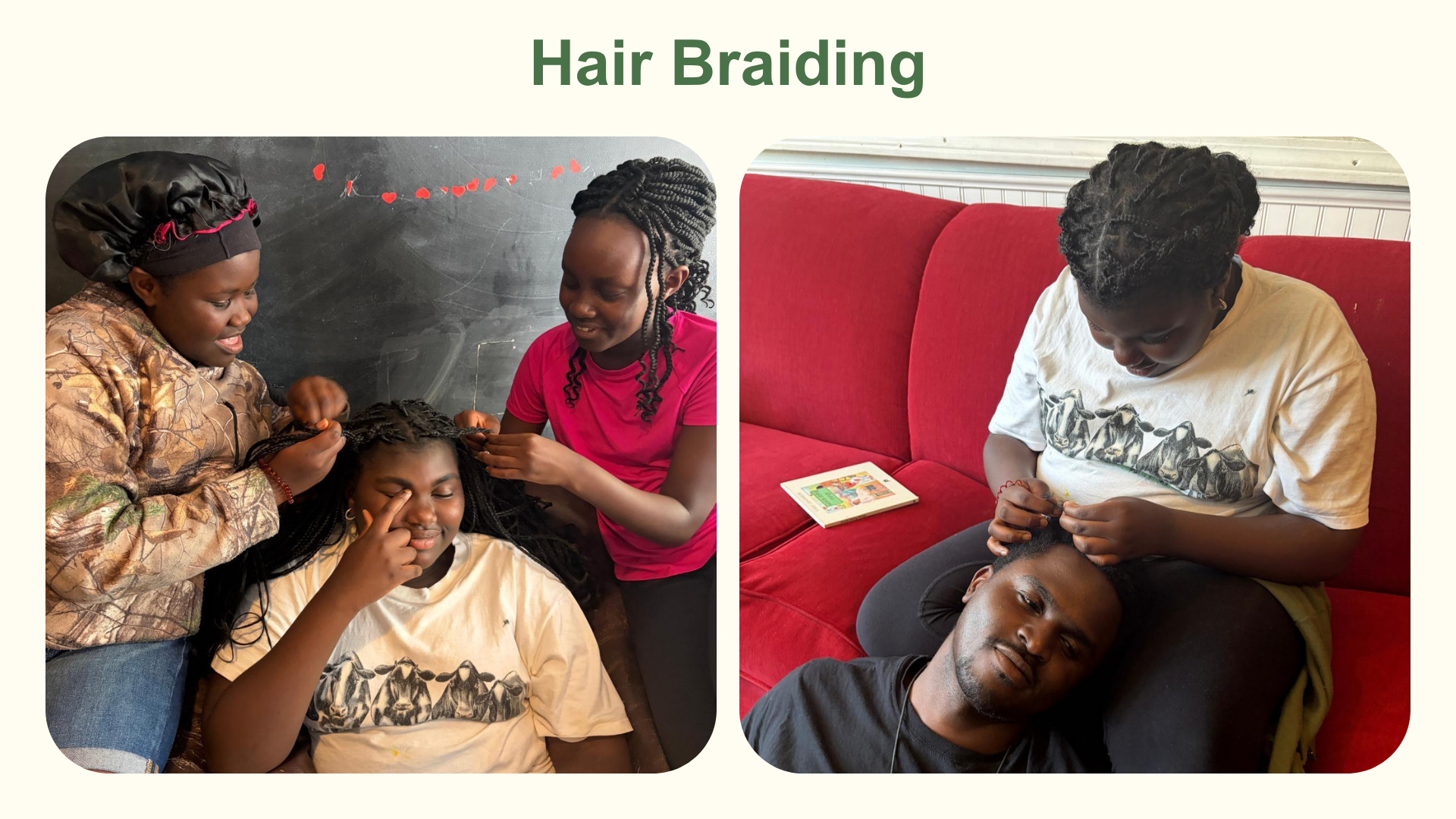
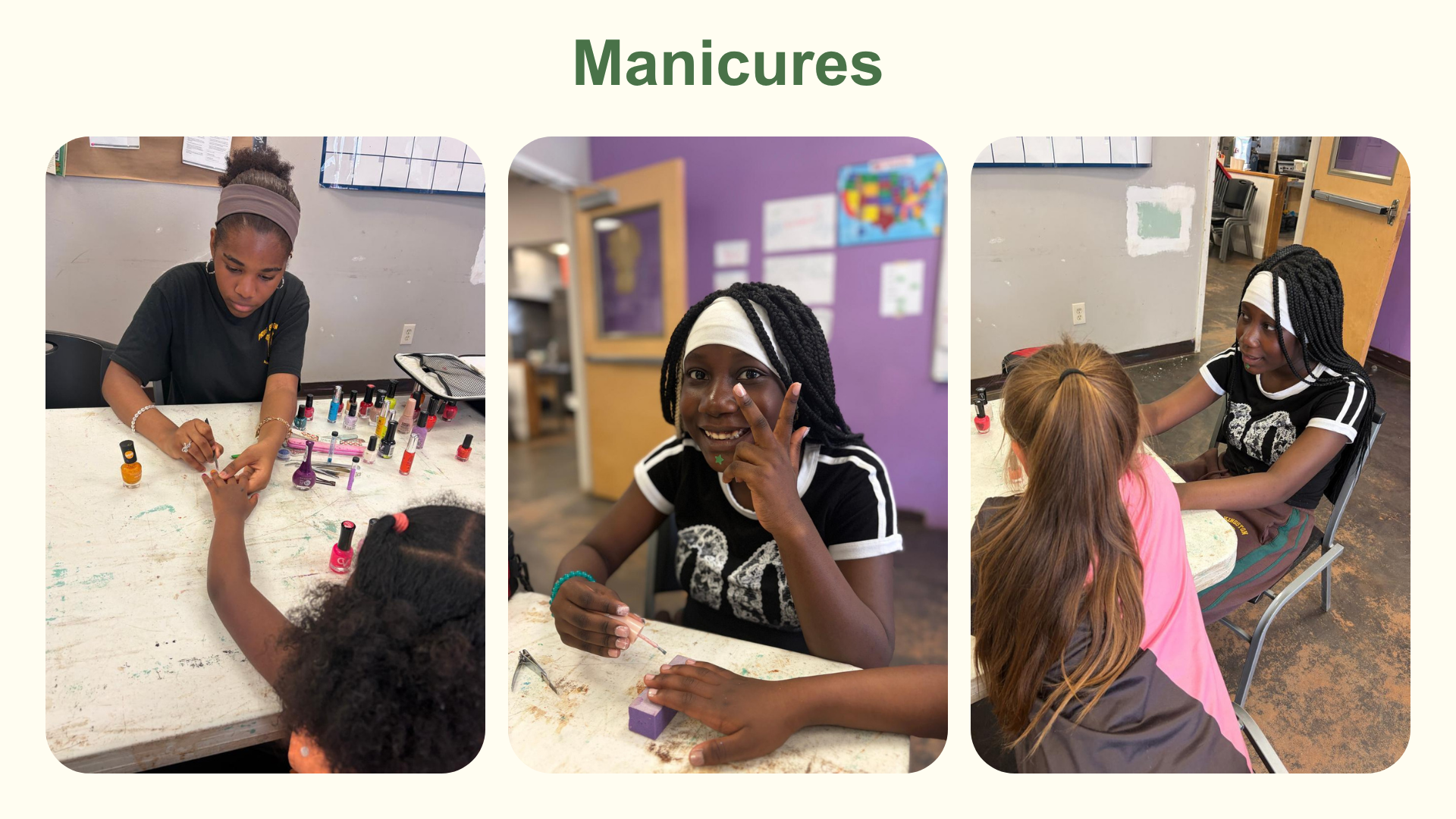
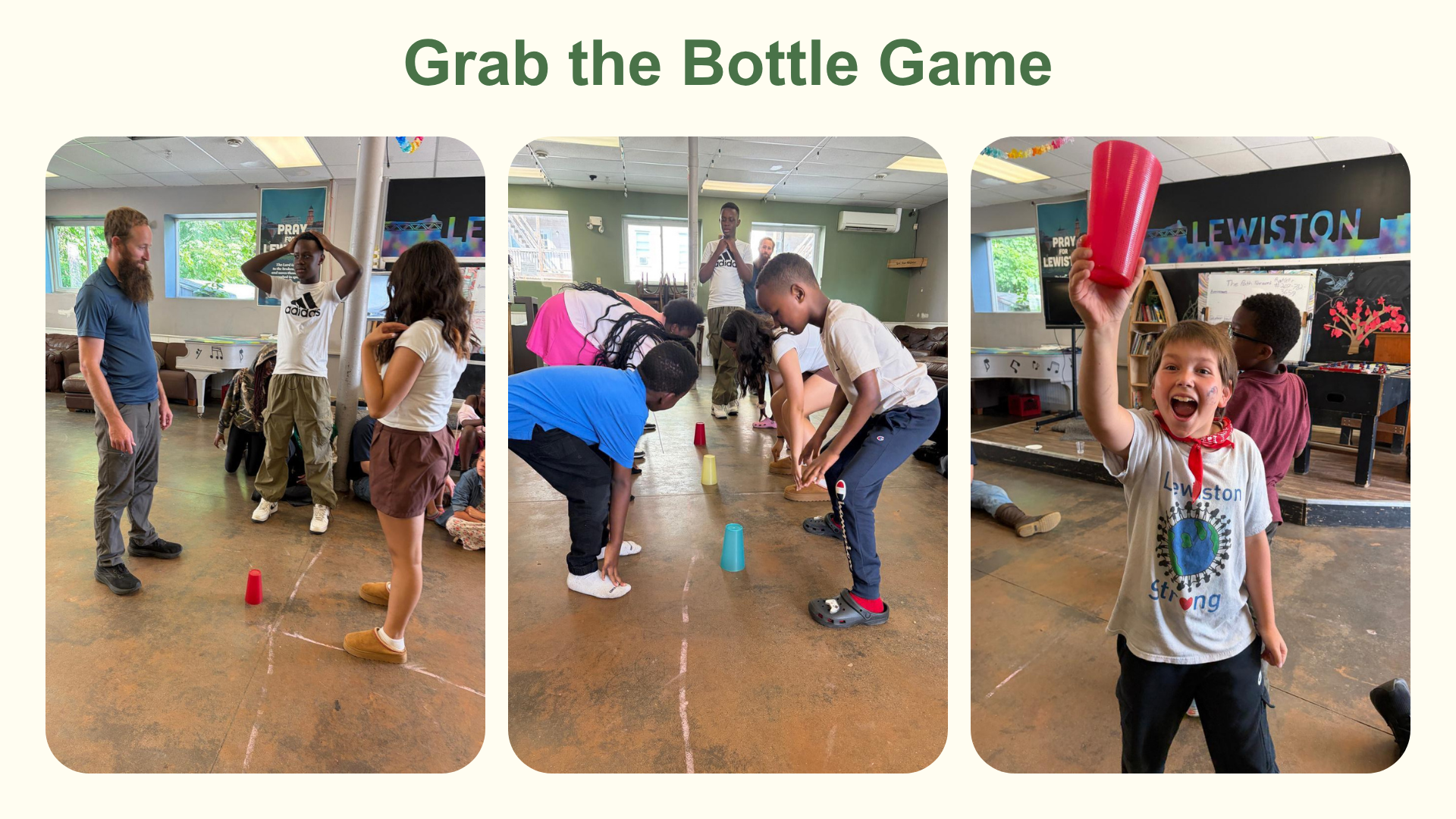
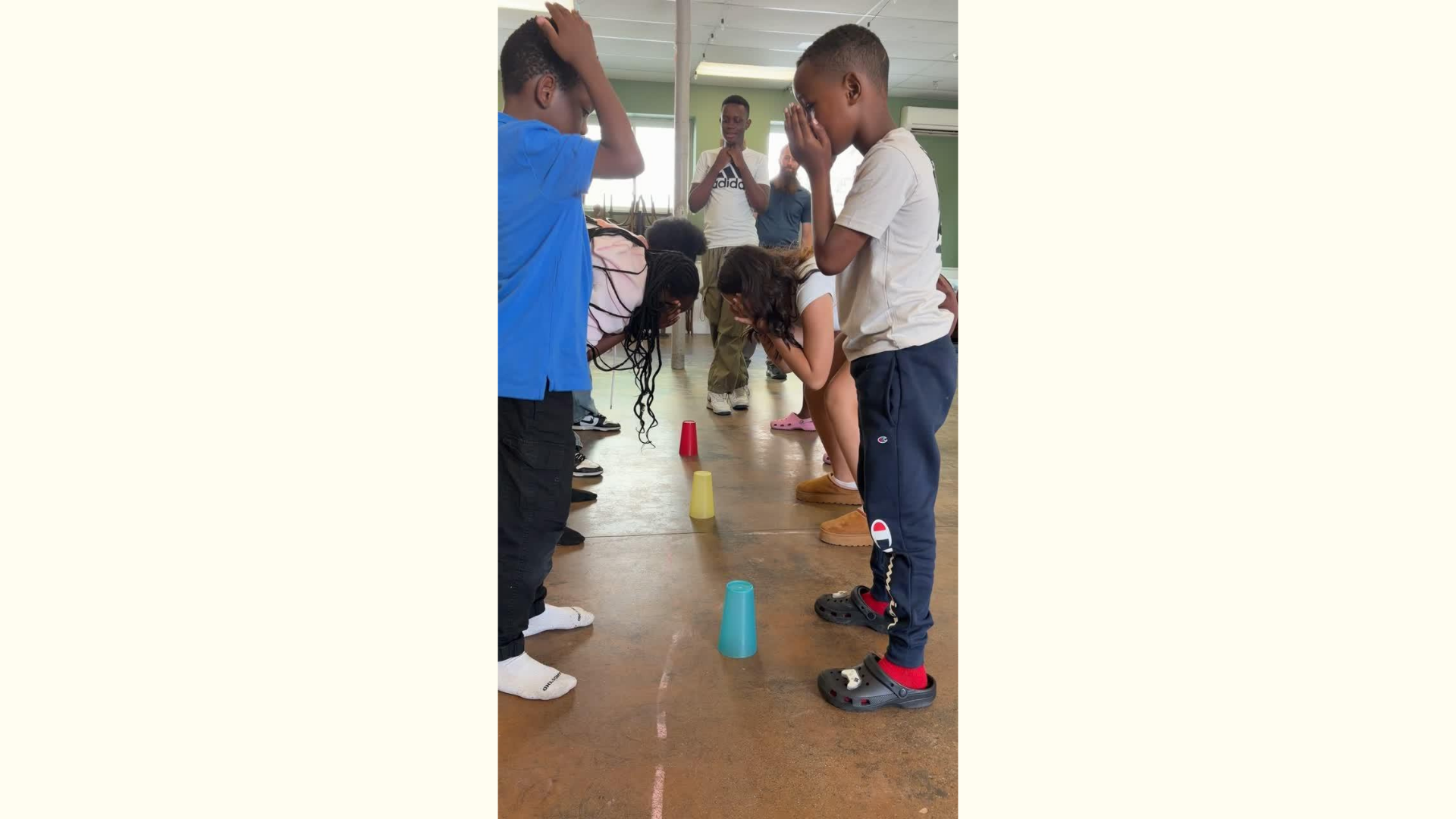
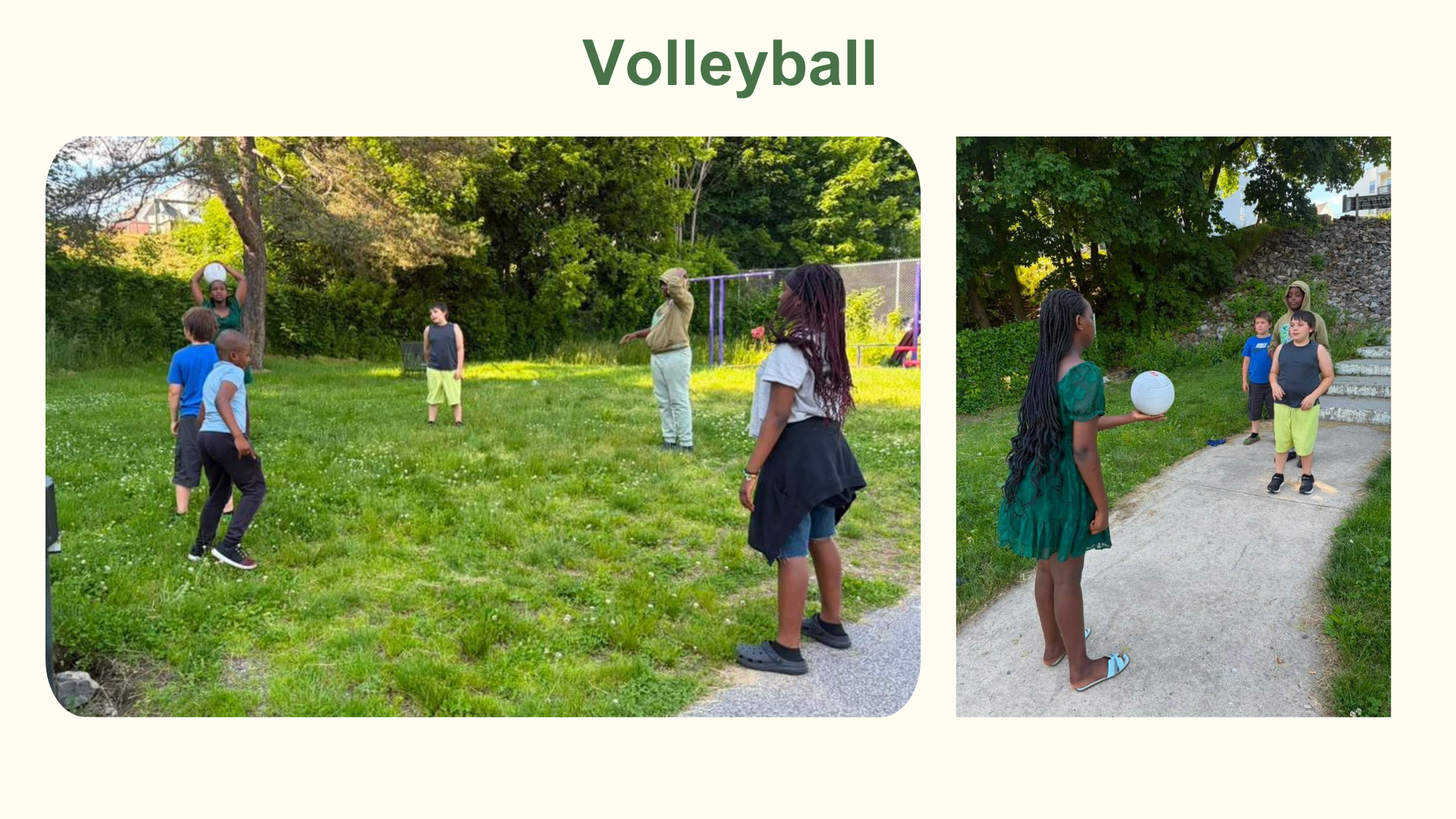
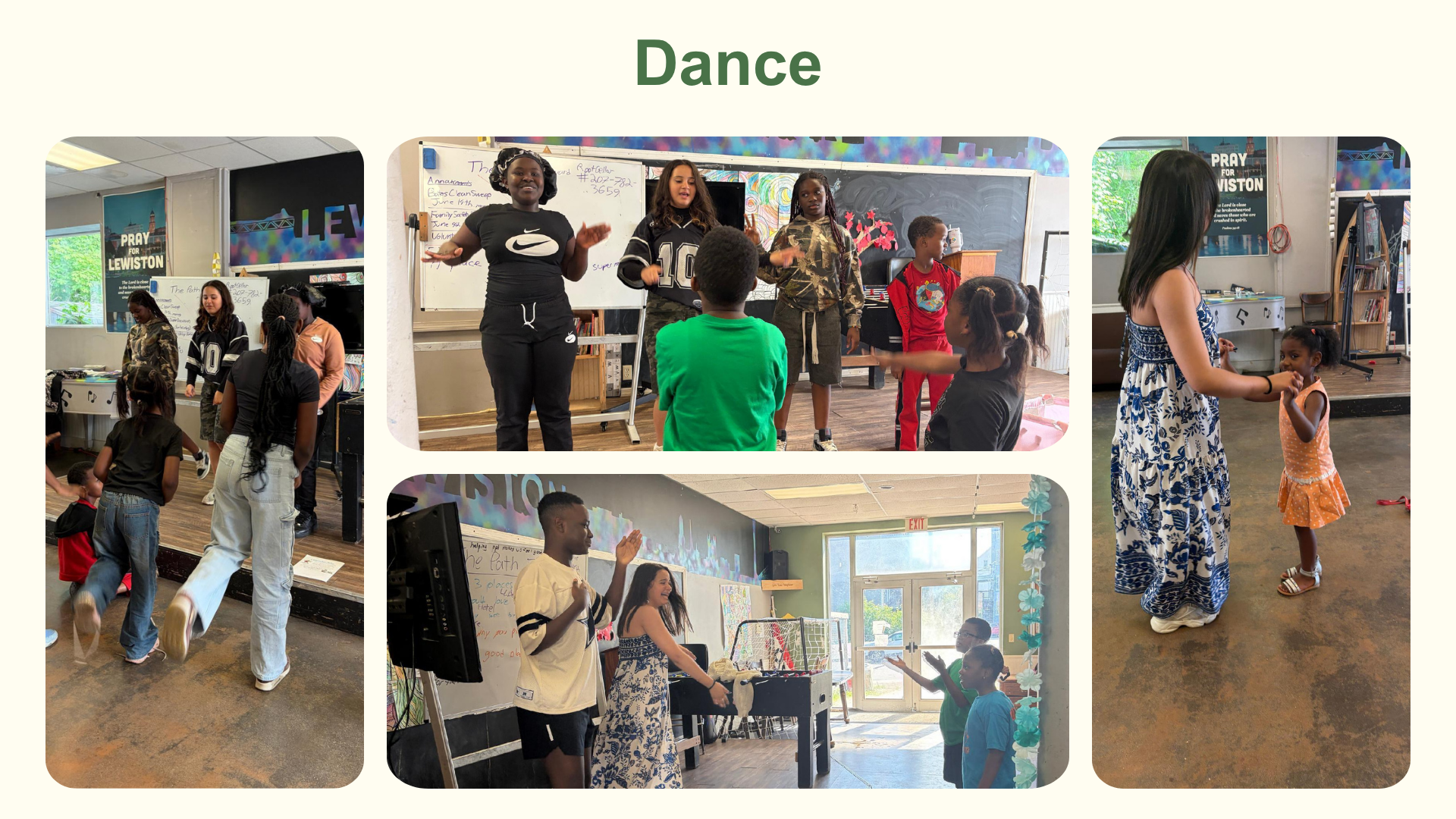
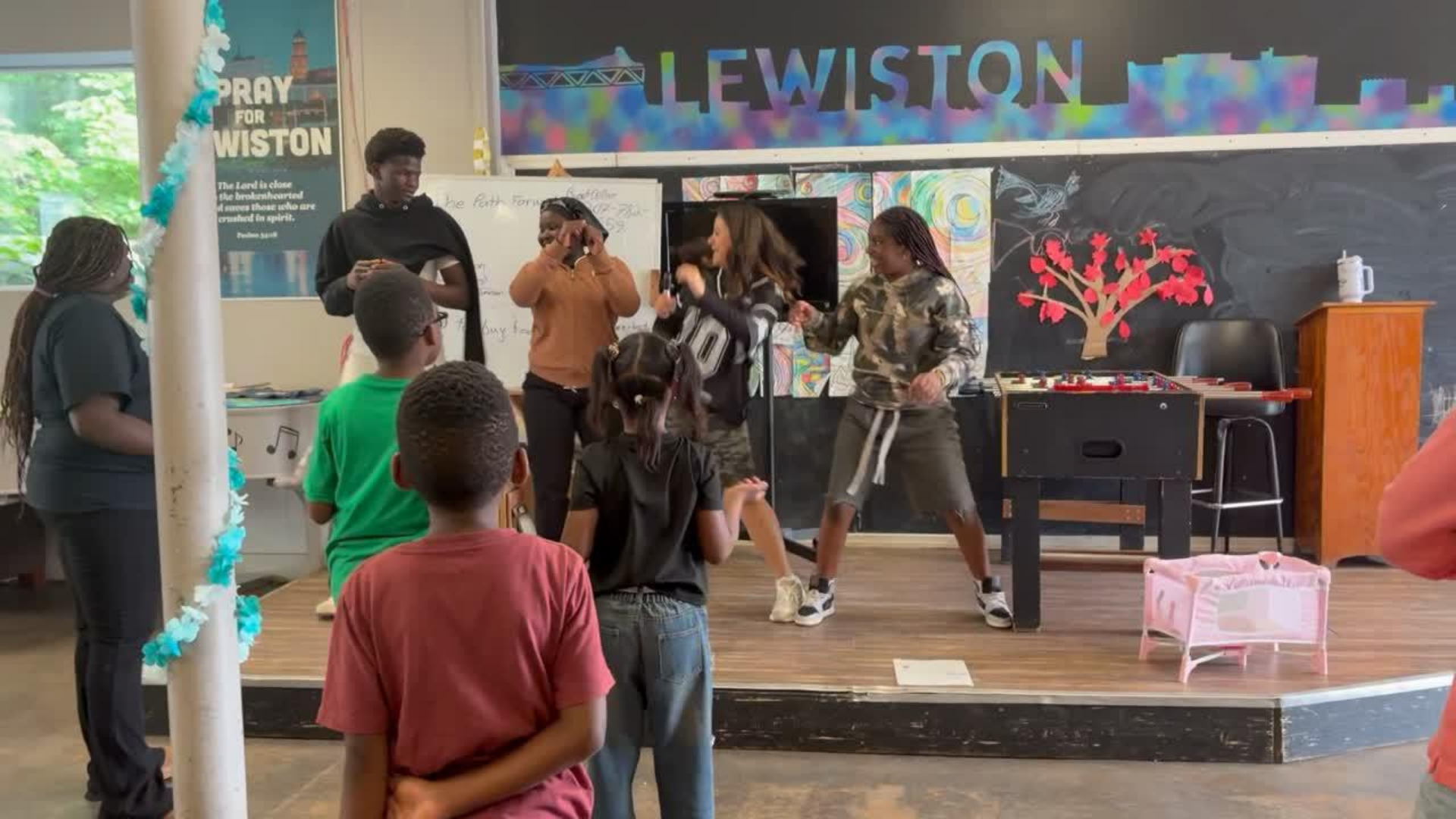
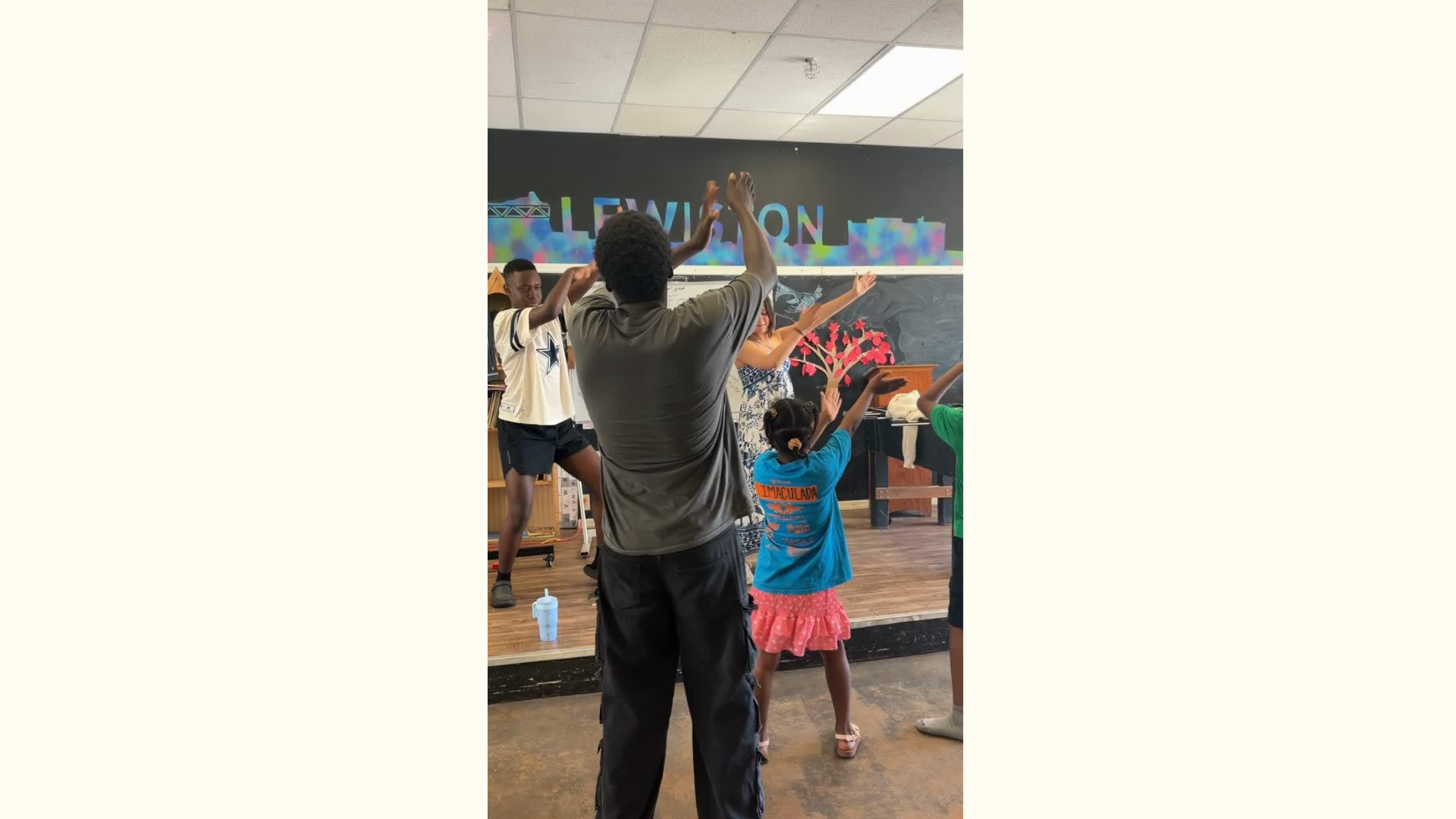
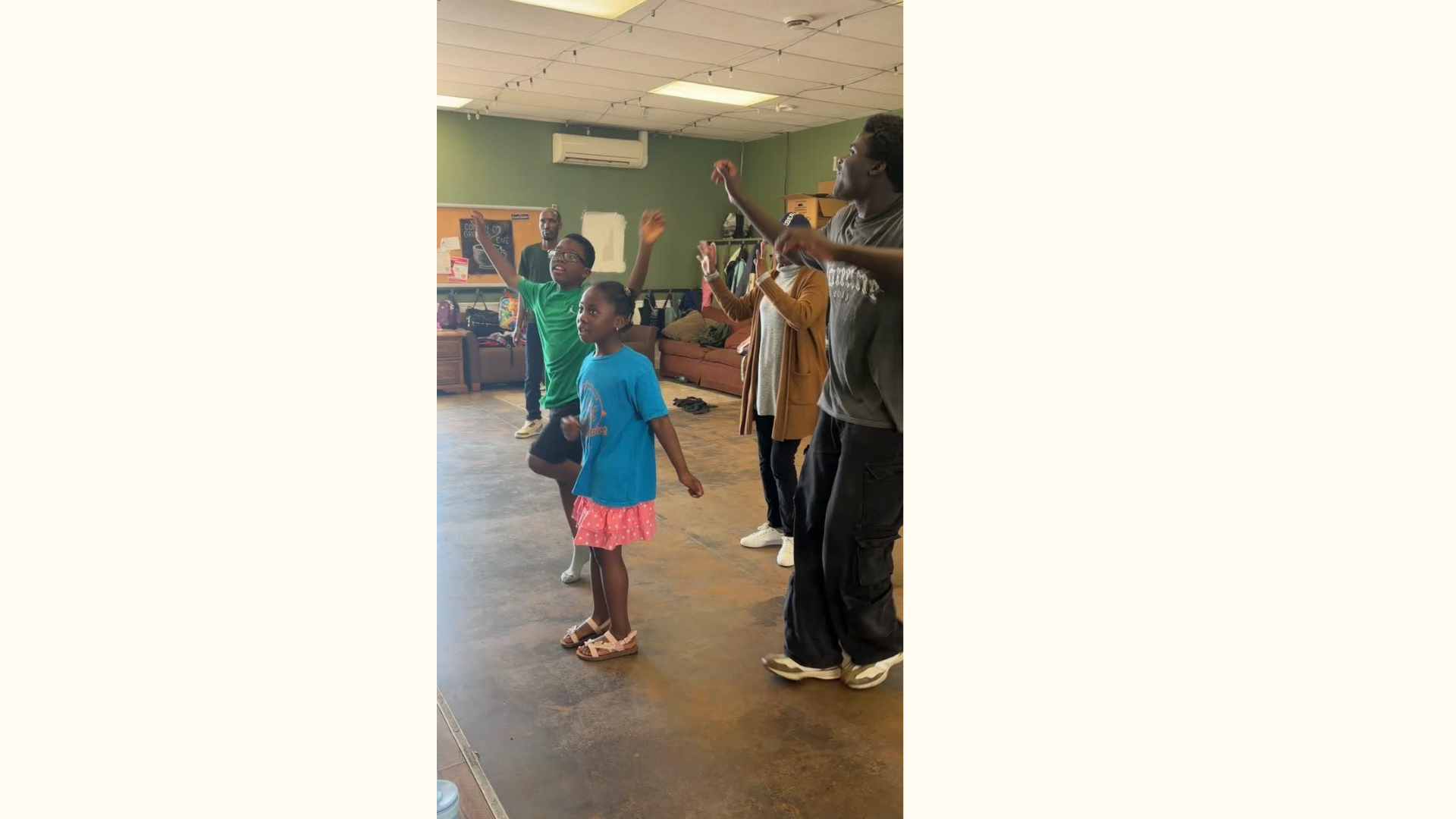
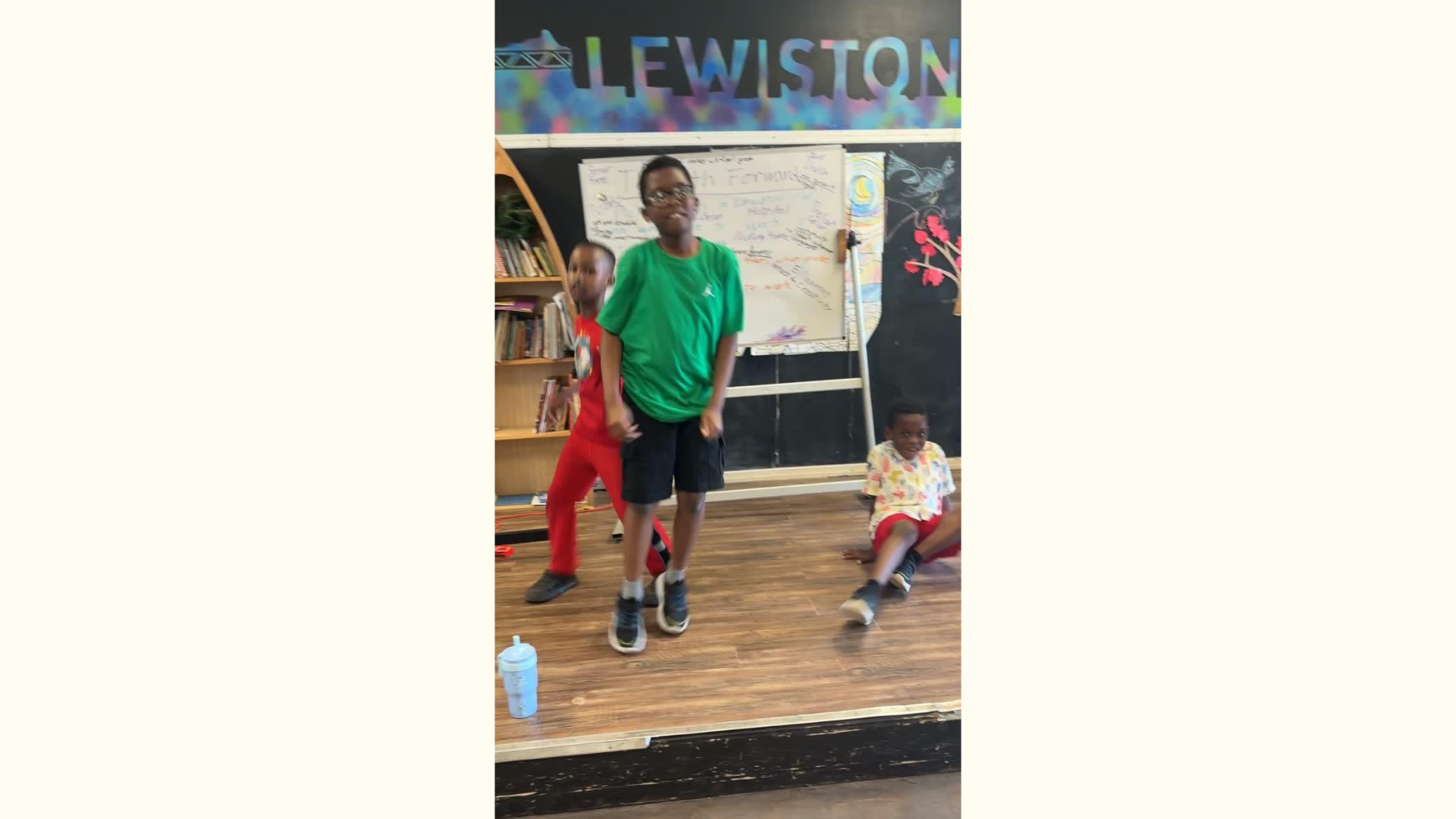
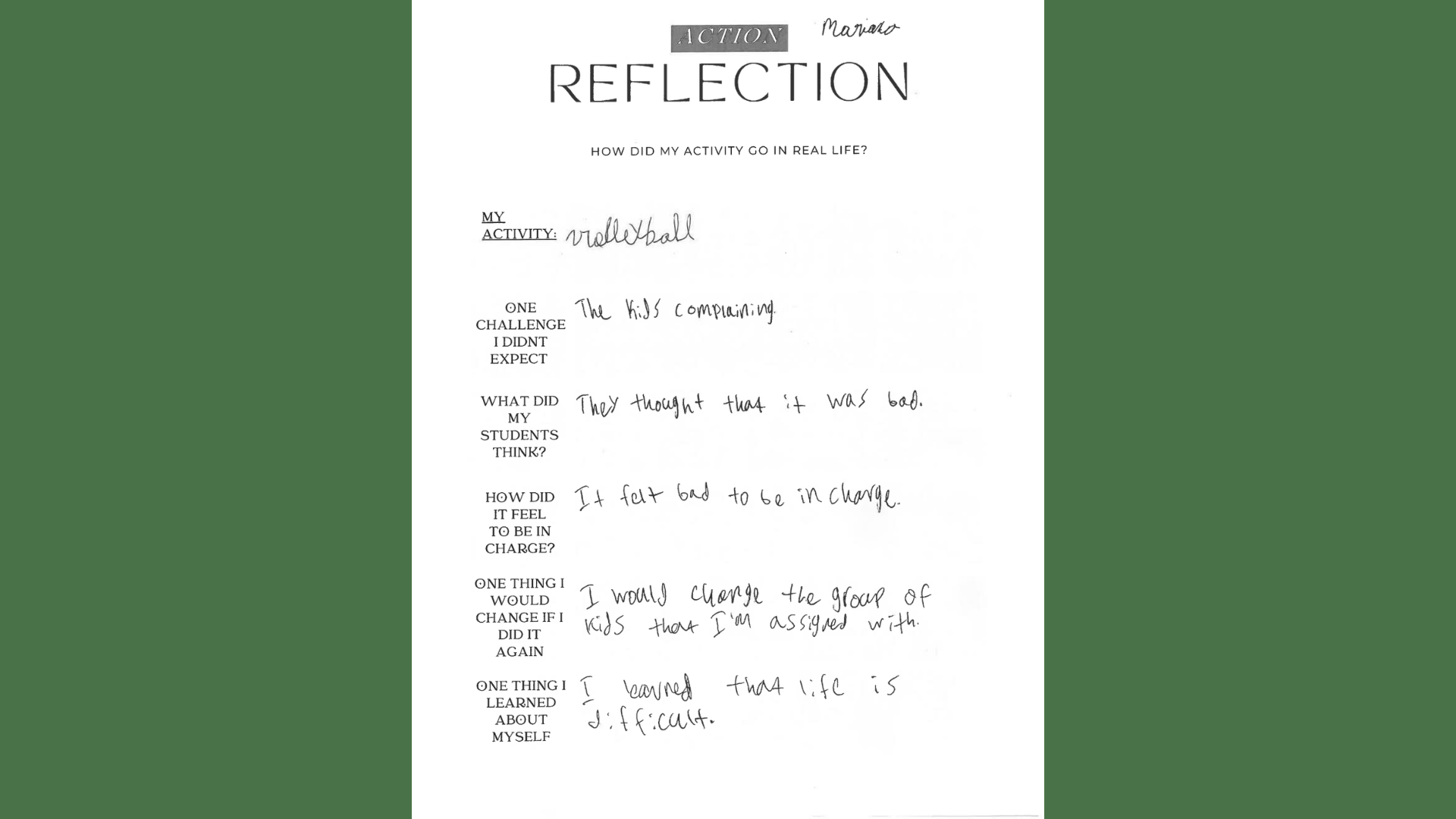
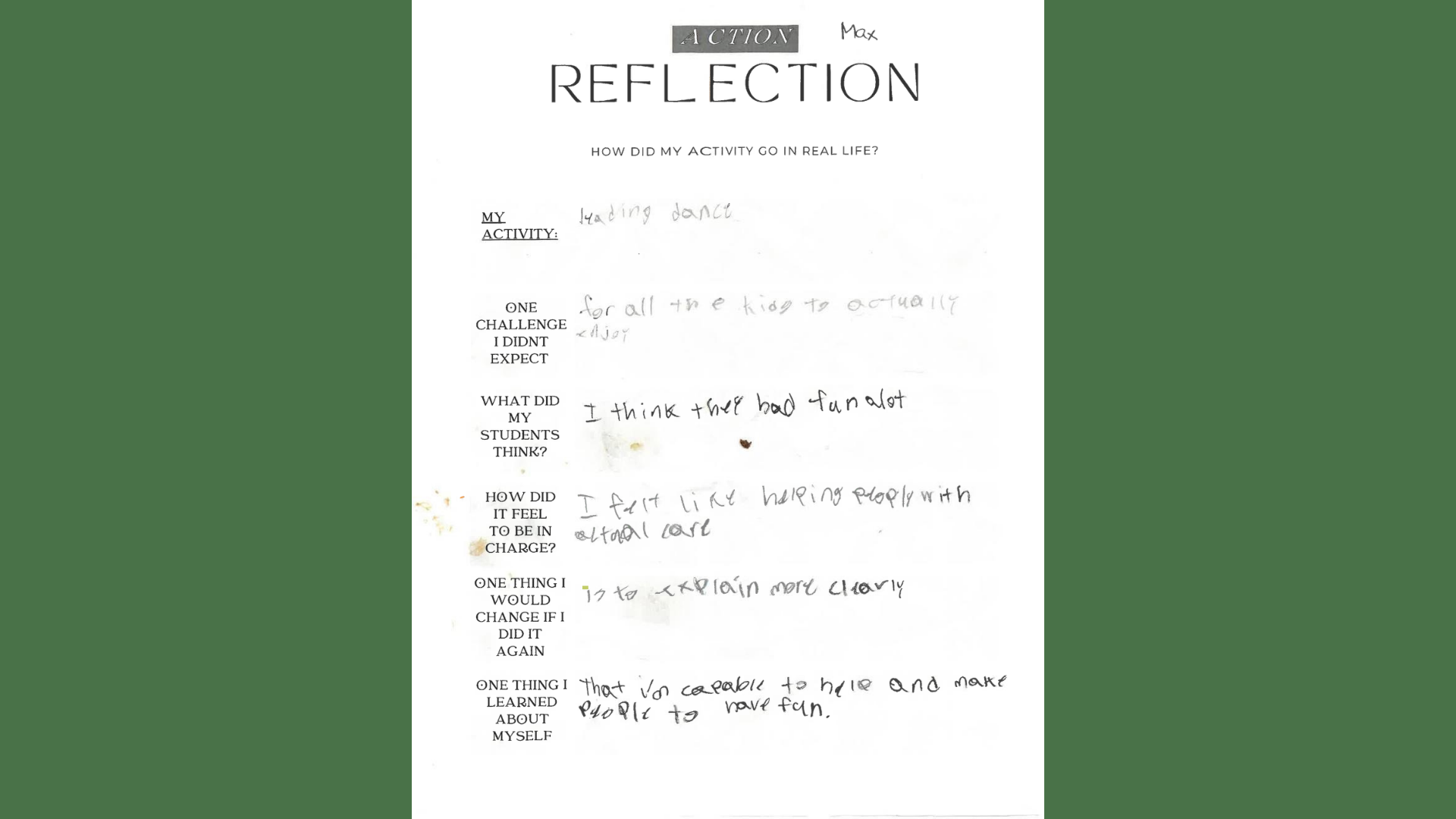
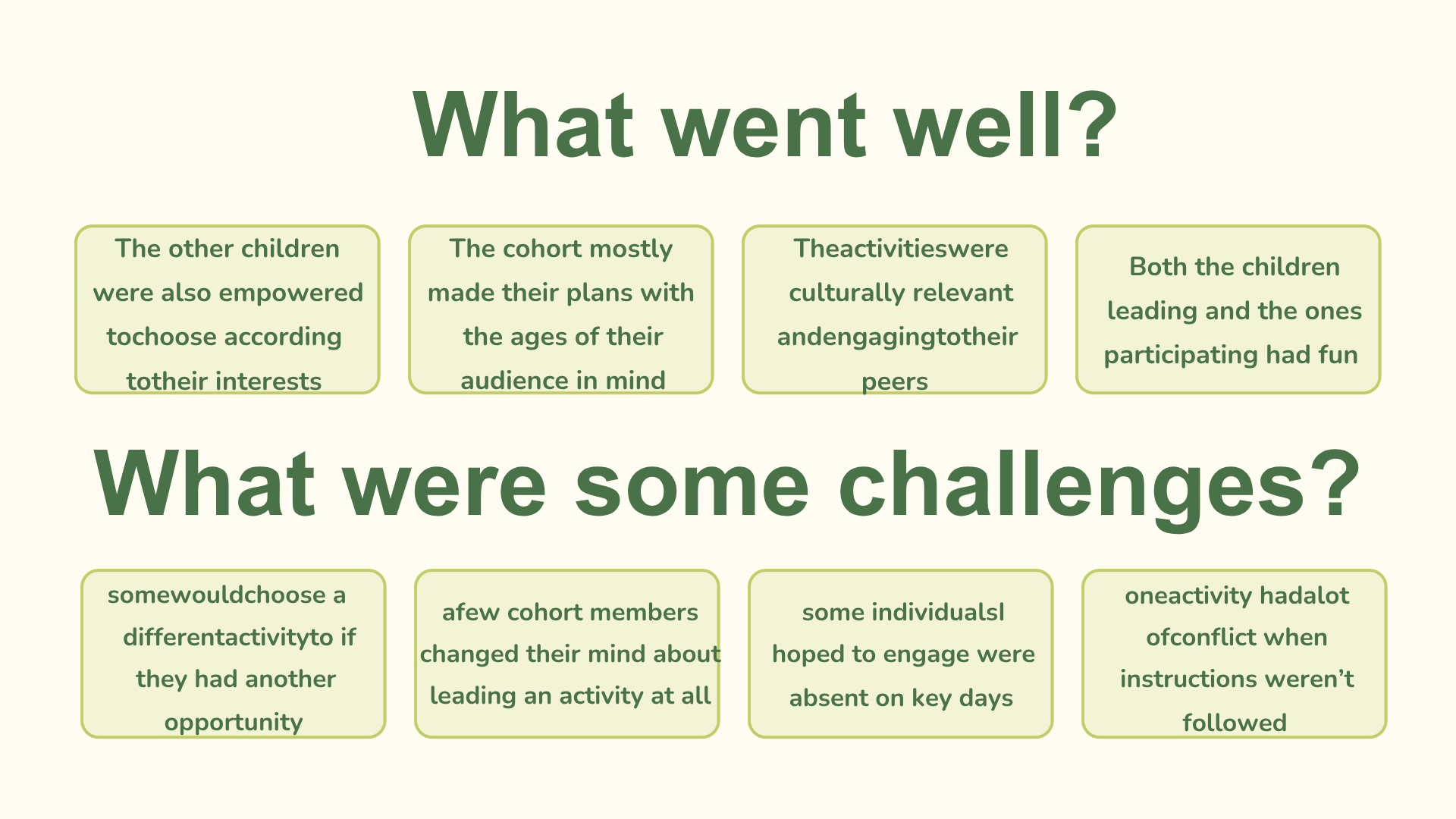
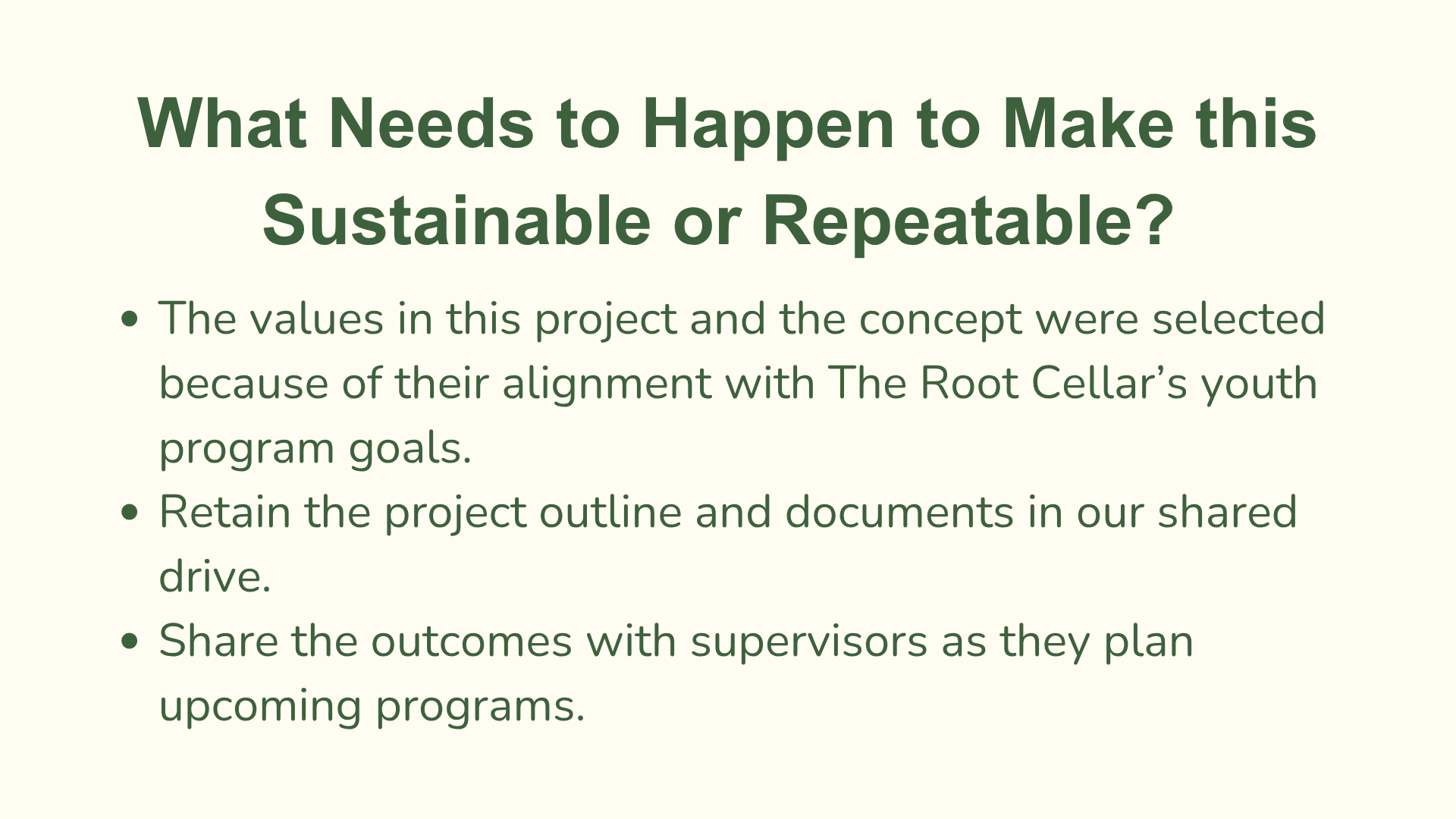
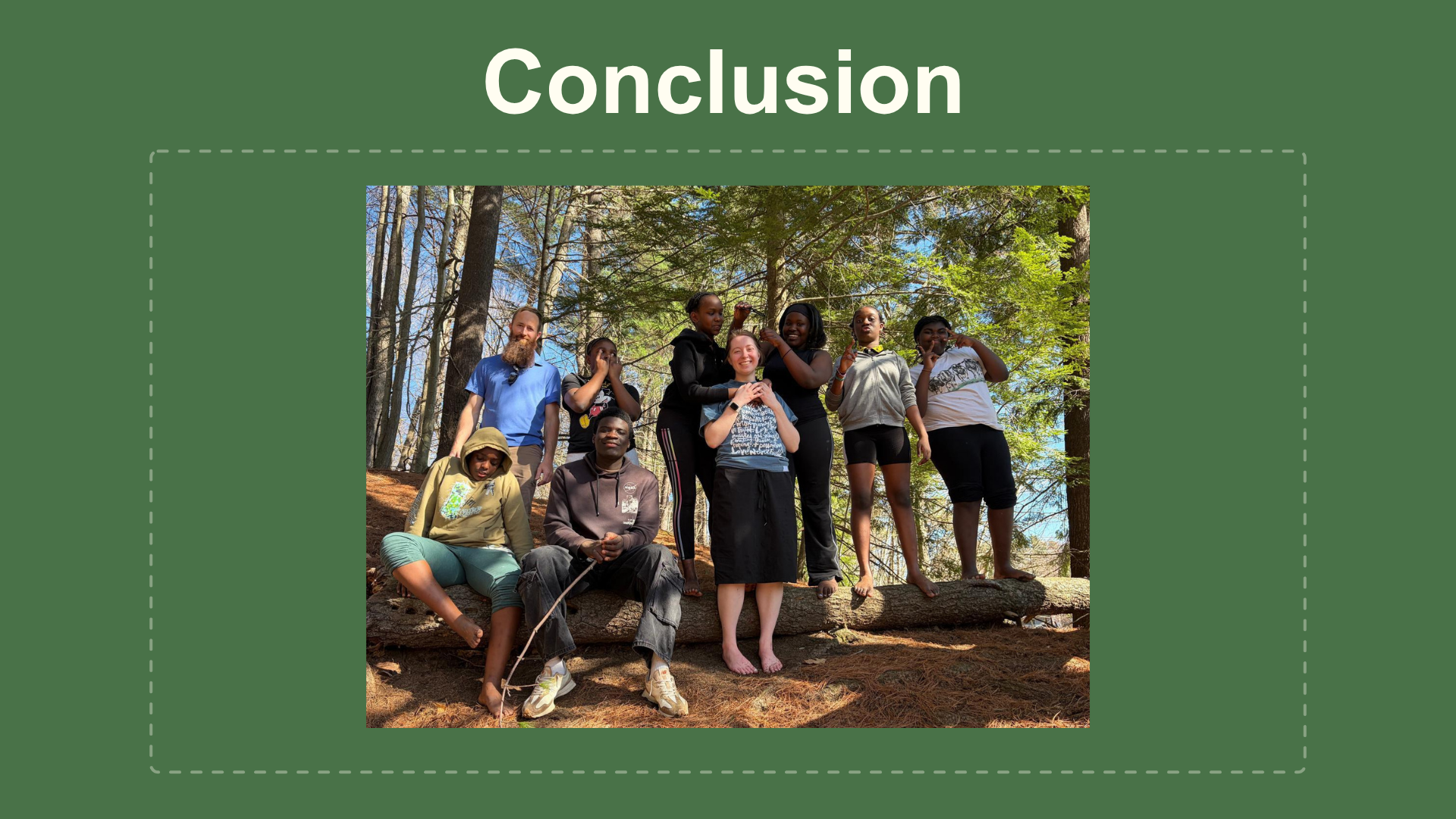
The results were not universally smooth, but that was part of the point. Some kids thrived leading games and activities they'd chosen themselves, others struggled when their peers weren't interested in participating. The experience became a lesson in resilience as much as leadership.
“It was really interesting to learn who was really excited about taking the lead versus who was hesitant, or even avoidant, of the opportunity,” she said. “It was fun to walk around and see all the different activities happening, but it was also a challenge to make sure that they were all well supported. It was a lot of adversity for that age.”
For Olivia, the project is inseparable from what she sees every day at the Root Cellar: a sense of belonging that kids build for themselves and then extend to each other.
“As far as impact goes for the Root Cellar, it’s more than just an after school program. Kids have the perspective of ‘I get to come here and see my friends.’ It’s something they want to do,” she said. “The sense of belonging that they have experienced is something that they share with others, not just keep for themselves. Our hope is that these young people become equipped for making the choices necessary for the life that they want for themselves.”
A Shared Thread Across Different Communities
The capstone projects culminated in a variety of unique projects, pulling from data and real-life scenarios from different organizations and backgrounds. Despite these differences, all messages pointed to the same throughline: giving young people ownership of their future makes a difference in their development.
That's the kind of impact Delaney sees across the cohort as a whole, and why she believes telling these stories matters. “It's so important to talk about these experiences, to write about them and share them, so that people know what resources and opportunities are out there,” she said.
With this cohort's capstone projects complete, several fellows are already committing to a second AmeriCorps term, carrying this work forward into the next school year. Commitments like this are proof that training with intention moves beyond curriculum teachings, transforming into a foundation for individuals to build on.
Learn more about the Aspirations Incubator at aspirationsincubator.org and the Rural Youth Institute at ruralyouthinstitute.org
